Survey: Moroccans Embrace Migrants, Hesitant on Immigration Expansion
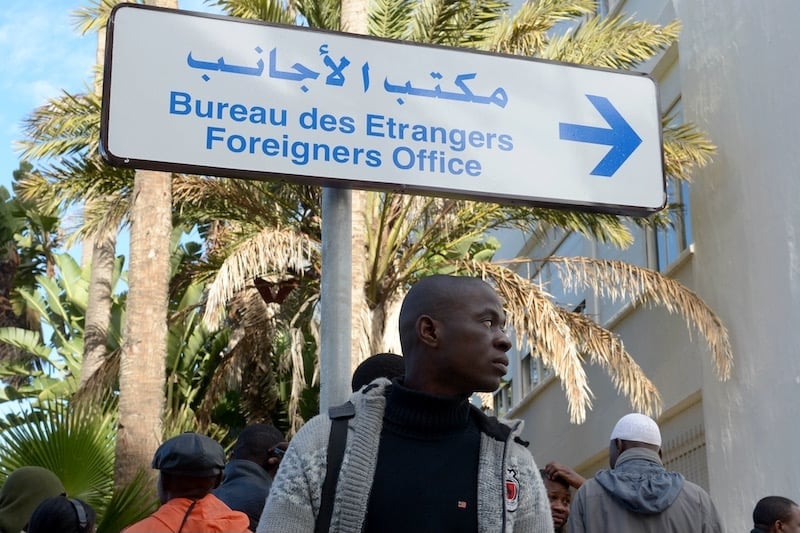
Public Perception of Migration in Morocco
A recent survey conducted by Afrobarometer has revealed that a majority of Moroccans hold tolerant attitudes towards migrants, although there is a notable hesitation regarding the increase in immigration levels. The findings highlight a complex interplay between personal acceptance and broader concerns about migration policies.
Acceptance of Migrants and Refugees
According to the survey, 78% of respondents indicated they would not mind having foreign workers or migrants as neighbors, while 22% expressed opposition. In terms of refugees, 56% showed acceptance of their presence nearby, compared to 39% who were not welcoming. These statistics reflect a general openness but also reveal underlying reservations among certain segments of the population.
Socioeconomic and Demographic Divides
The research underscores socioeconomic and demographic divides in attitudes toward migration. Wealthier Moroccans and younger individuals demonstrated greater openness to both migrants and refugees, whereas women were generally less welcoming than men. This suggests that factors such as age, economic status, and gender play significant roles in shaping public opinion on migration.
Economic Impact Perceptions
Perceptions of migrants' impact on the economy were mixed. Approximately 36% of respondents believed that foreign workers contribute positively to Morocco's economy, while 21% viewed their influence as somewhat or very negative. This divergence in views highlights the complexity of economic considerations in the migration debate.
Government Policy and Public Opinion
Despite widespread personal tolerance, more than half of those surveyed (51%) supported reducing the number of foreign job seekers allowed into the country or stopping their entry altogether. Another 38% were comfortable with current immigration levels. Similarly, 51% supported cutting back on refugee arrivals, and 9% favored banning them entirely. These figures indicate a strong public sentiment favoring stricter immigration controls.
Migration Trends and Preferences
The survey also found that four in ten Moroccans have considered emigrating. Interest in migration was particularly high among young people (64%), economically vulnerable groups (74%), and unemployed citizens (69%). Europe emerged as the preferred destination, followed by North America. This trend reflects a combination of economic aspirations and social pressures driving migration choices.
Morocco's Role in Migration Governance
Afrobarometer’s report highlighted that Morocco has become a key player in migration governance regionally and globally. Since adopting its National Strategy for Immigration and Asylum in 2014, the kingdom has launched regularization campaigns granting migrants legal status and access to public services and political participation. Additionally, Morocco has co-signed the Global Compact for Migration and supports the African Union’s migration agenda.
Ongoing Challenges
Despite these efforts, challenges persist. Morocco hosts around 19,000 asylum seekers and refugees and continues to struggle with integrating them into the labor market, enforcing anti-human-trafficking laws, and managing internal displacement linked to drought and floods. The World Bank has emphasized the need for better coordination between migration flows and development priorities.
Environmental and Social Influences
The report added that environmental pressures and social norms also influence Moroccans’ own migration choices. While women are disproportionately affected by drought and water shortages, men are more likely to migrate for work, domestically or abroad. Those who remain often rely on remittances sent home by relatives overseas. This dynamic underscores the multifaceted nature of migration in Morocco, shaped by both environmental and social factors.


Comments
Post a Comment