Trump Donates $130M to Fund Military Salaries During Shutdown
The Role of Private Donations in Military Pay During a Government Shutdown
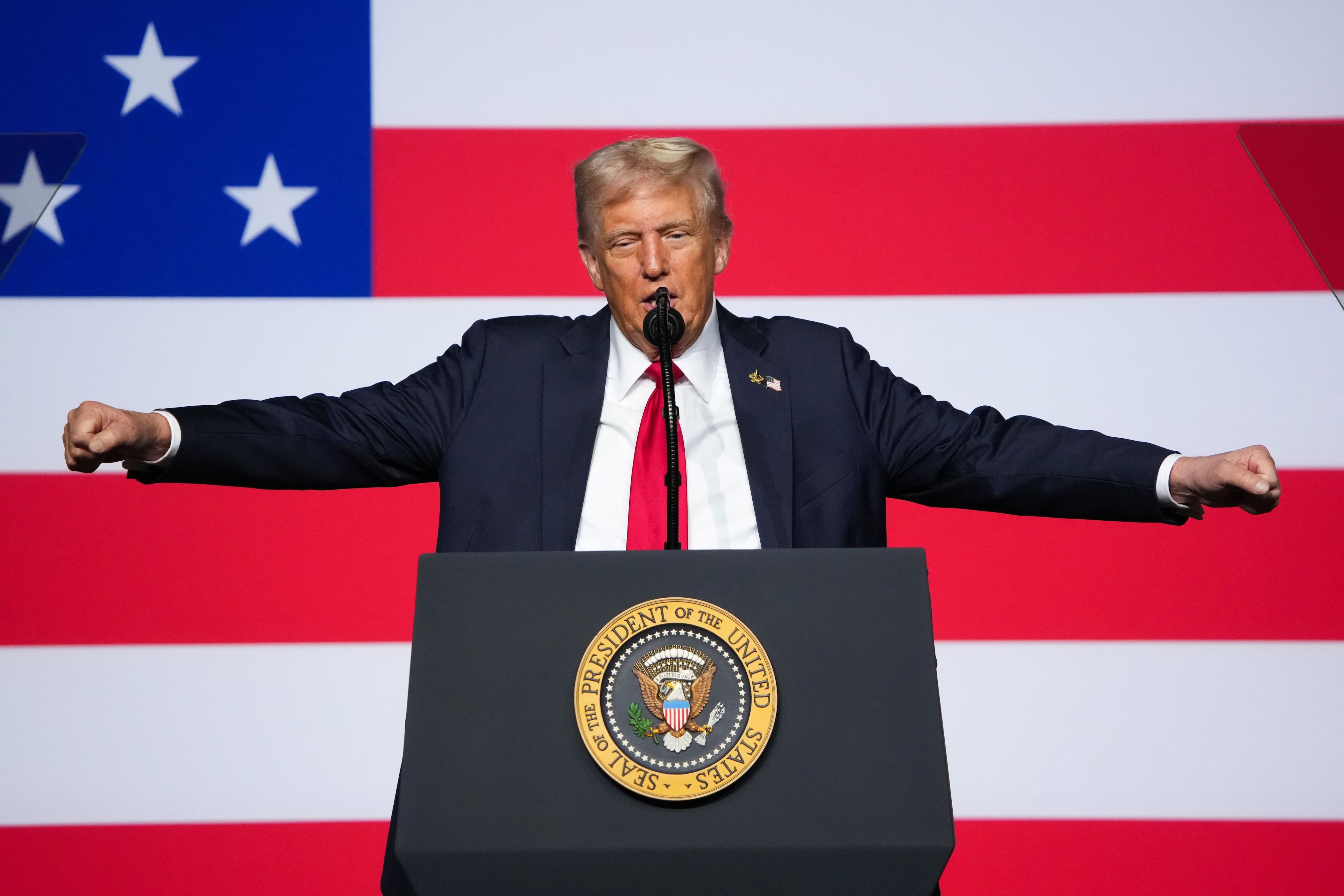
A significant development has emerged during the ongoing U.S. federal government shutdown, as a close associate of former President Donald Trump disclosed that $130 million (approximately 187.1 billion Korean won) was donated to cover the salaries of U.S. military personnel. This revelation came after a report by the New York Times (NYT) on December 24, which highlighted that President Trump announced the donation at a White House event the day before.
Trump referred to the donor as “a patriot and a long-time friend” but did not reveal their identity. This lack of transparency has sparked further questions about the nature of the donation and its implications for the military's financial stability. Sean Panella, a Pentagon spokesperson, confirmed the acceptance of the donation, stating it was received under the authority to receive general donations. According to the statement, the funds would be used to cover soldiers’ salaries and welfare costs.
The authority to receive general donations is a system that allows the U.S. Department of Defense to accept private contributions for military personnel and civilian employees who have been injured or sickened during missions. However, this practice has raised concerns among analysts and critics alike.
Insufficient Funding for Military Personnel
Despite the donation, some experts argue that the amount is far from sufficient to cover the salaries of active-duty soldiers. According to the Trump administration’s fiscal year defense budget, the U.S. has approximately 1.3 million active-duty personnel, with a total salary and welfare budget of around $600 billion. This means that the $130 million donation equates to roughly $100 per soldier, which is a fraction of what is needed to support the entire force.
Critics have also raised concerns about the legality of using private donations to pay military salaries. There are allegations that this could violate the Antideficiency Act, which prohibits federal agencies from spending funds beyond what Congress has approved. In response, members of both the Republican and Democratic parties expressed confusion over the specifics of the donation, demanding more information from the administration.
CNN reported that military budgets have historically been funded through congressionally approved public funds, making this move an unprecedented deviation from established government procedures. The situation has also raised questions about the donor’s identity and motives, with many wondering why such a large sum was given and whether there were ulterior intentions behind the donation.
The Impact of the Federal Government Shutdown
Meanwhile, the federal government shutdown, triggered by partisan gridlock in Congress, has entered its 24th day. Partial government functions have been halted since the start of the month, affecting numerous federal agencies and employees. A bill to authorize salary payments for essential federal personnel, including military members, was put to a vote during a Senate plenary session the previous day but failed to pass.
As a result, over 500,000 federal employees have not received their salaries for the past two weeks. This has created widespread uncertainty and hardship for those affected, particularly those who rely on their paychecks to meet basic needs.
The situation highlights the broader challenges of political dysfunction and the potential consequences of prolonged government shutdowns. While the $130 million donation may provide temporary relief for some military personnel, it underscores the need for a more sustainable and transparent approach to funding government operations.
Ongoing Concerns and Calls for Transparency
With the government shutdown continuing, the focus remains on finding a resolution that ensures the timely payment of federal employees and the proper functioning of essential services. The use of private donations to cover military salaries has raised additional concerns about the integrity of the process and the potential for misuse of funds.
As the situation unfolds, it is clear that the actions taken during this period will have lasting implications for the relationship between the government and the public. The calls for transparency and accountability will likely continue, as citizens and lawmakers alike seek clarity on the decisions made during this critical time.


Comments
Post a Comment