UBS China Chief: Hong Kong Boosts as China's Financial Gateway
Hong Kong's Evolving Role as a Financial Bridge
Hong Kong is redefining its role in the global financial landscape, serving as a crucial link between mainland China and the rest of the world. As Beijing shifts its trade and investment strategies away from the United States, Hong Kong is once again emerging as a strategic platform for China's international ambitions.

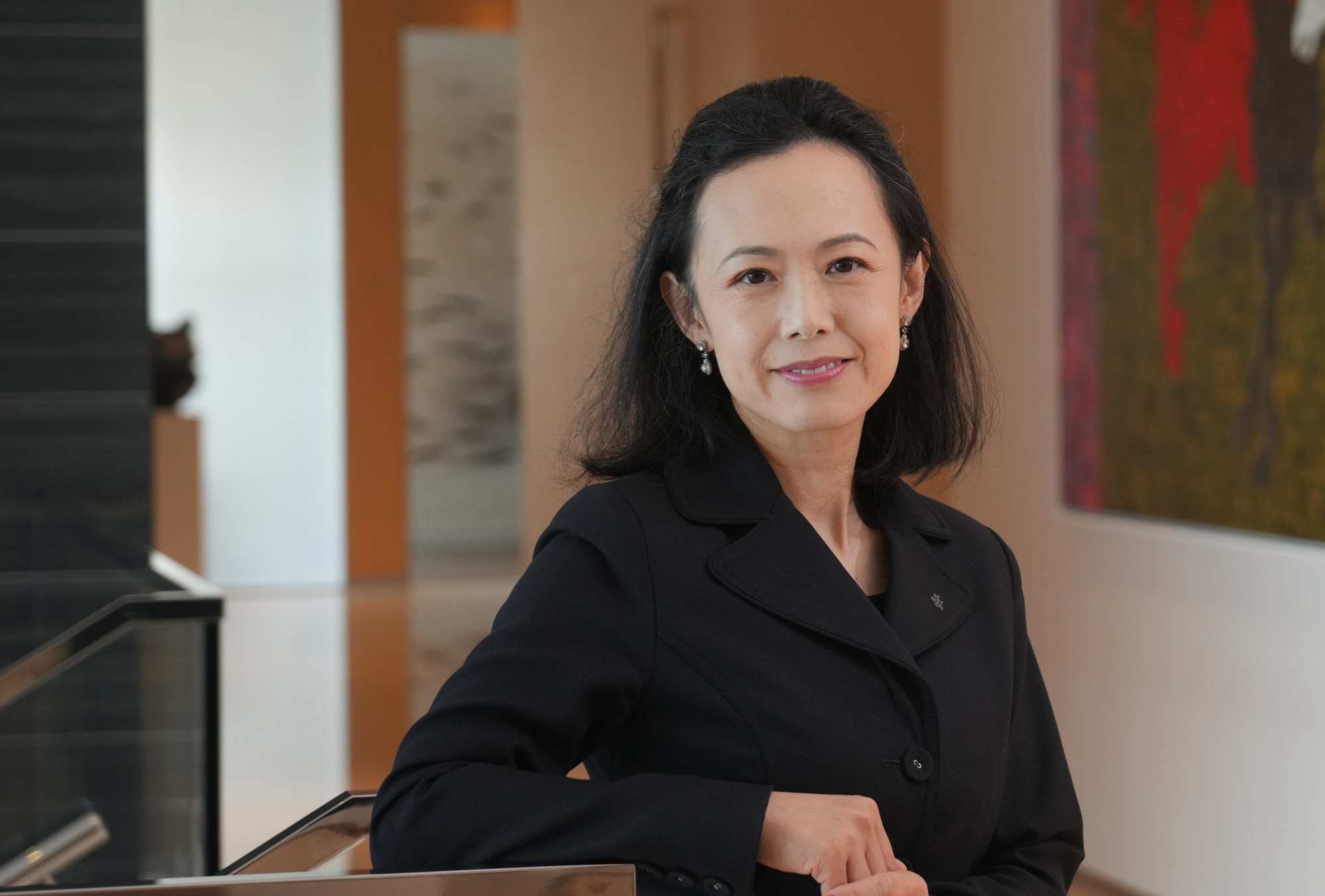
Janice Hu, chairwoman of UBS Securities, highlights the significance of this transition. She emphasizes that Hong Kong's position as an international financial hub is being reinforced by the city's ability to facilitate cross-border financial flows. According to Hu, these developments underscore Hong Kong's enduring role as a springboard for China's global economic aspirations.
One notable example of this dynamic is Jiaxin International Resources' dual listing in Hong Kong and Astana in August. This was the first yuan-denominated deal on the Kazakh exchange, showcasing Hong Kong's growing influence in connecting China with Central Asia. The Hong Kong leg of the listing was made possible through Chapter 18 of the bourse's listing rules, which allows mineral and petroleum companies to bypass certain financial tests if they meet specific resource indication and management criteria.
This transaction not only highlights Hong Kong's role in the Belt and Road Initiative but also illustrates its function as a direct equity bridge between China and Central Asia. Unlike traditional financial centers such as Shanghai or Shenzhen, Hong Kong offers a unique pathway for capital and investment.
In addition to traditional financial mechanisms, Hong Kong has been exploring innovative frameworks for digital assets. These include licensing stablecoin issuers and examining the tokenization of real-world assets. While Beijing remains cautious, these initiatives are closely monitored across the border, indicating a potential shift in how digital finance is approached in the region.
Another recent innovation is Hong Kong's dual-currency counters, which allow investors to trade the same shares in both Hong Kong dollars and yuan. Unlike the A and B shares system on the mainland, these counters are fully fungible, offering investors greater flexibility and efficiency.

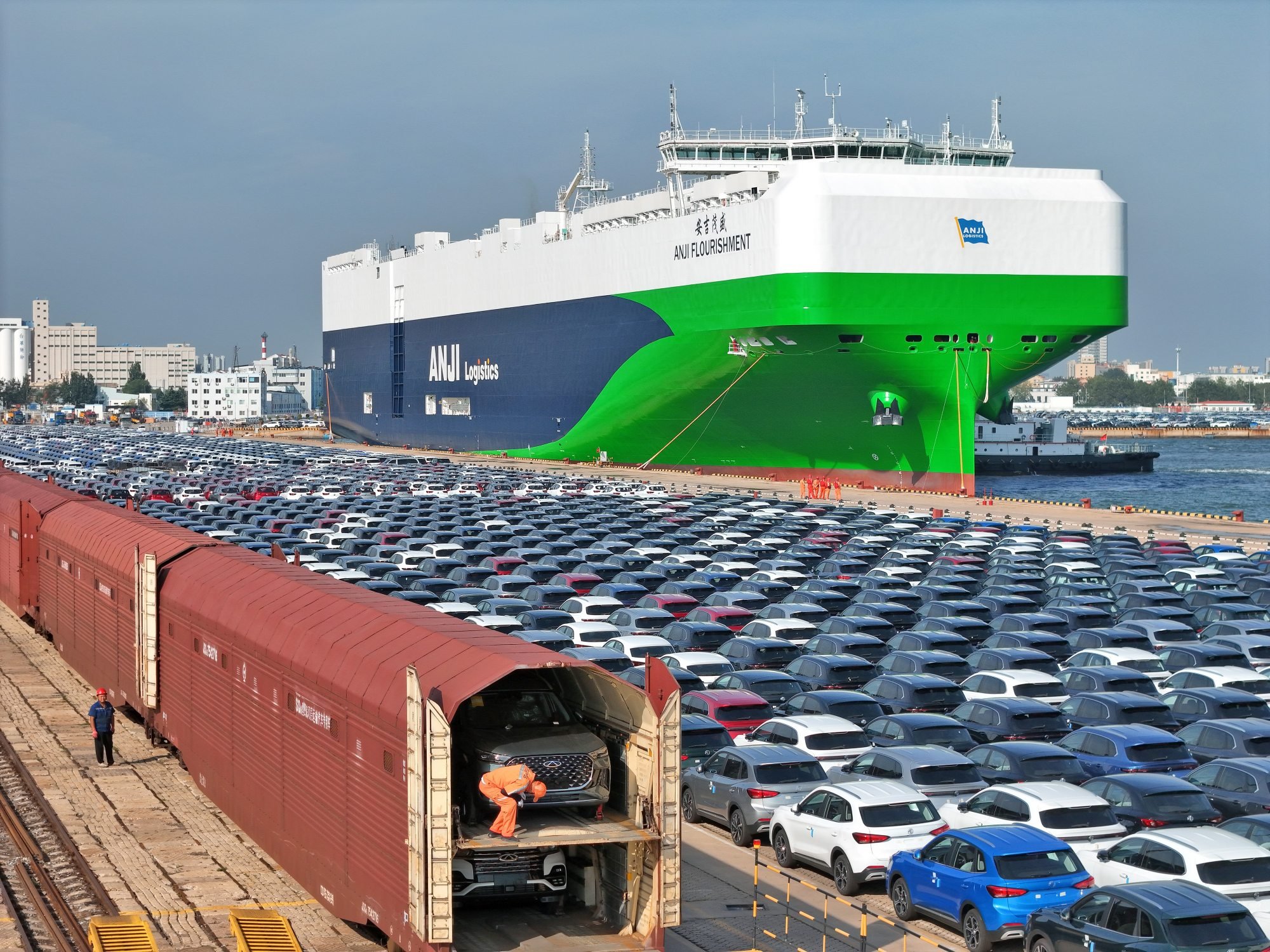
Together, these mechanisms demonstrate how Hong Kong is not just a conduit for mainland capital but also a testing ground for financial experiments that may not be feasible onshore. These developments come as China actively diversifies its trade links away from the US and towards Southeast Asia and other emerging markets along the Belt and Road Initiative.

According to Hu, the restructuring of China's supply chains is strengthening intraregional connectivity. China provides capital goods, India offers low-cost labor, and Australia supplies commodities. This interconnectedness requires a common ground in Asia, and Hong Kong is positioned as a natural financial hub for these activities.

With capital controls limiting flows on the mainland, Hu describes Hong Kong as a "natural outlet" for Belt and Road-related transactions. For UBS, the recent record-breaking market rally of mainland and Hong Kong stocks has highlighted the benefits of maintaining a long-standing presence in China.
Hu, who became UBS's China head after its takeover of Credit Suisse, emphasizes that cross-border connectivity is in the bank's DNA. Over the past 35 years, UBS has built extensive experience, expertise, and trusted relationships with clients, partners, and regulators in both mainland China and Hong Kong.
Chinese assets have regained appeal due to Beijing's stimulus measures, breakthroughs in AI, and growing sentiment around de-dollarisation. Trading activity under the Stock Connect programme has surged, with northbound turnover tripling and southbound turnover rising more than fivefold in August compared to the previous year.
Foreign investors are also drawn to China's exchange-traded funds (ETFs), driven by diversification strategies and continued policy support. UBS reported that client allocations to Chinese ETFs rose 20% in the first half of the year compared to the previous year.
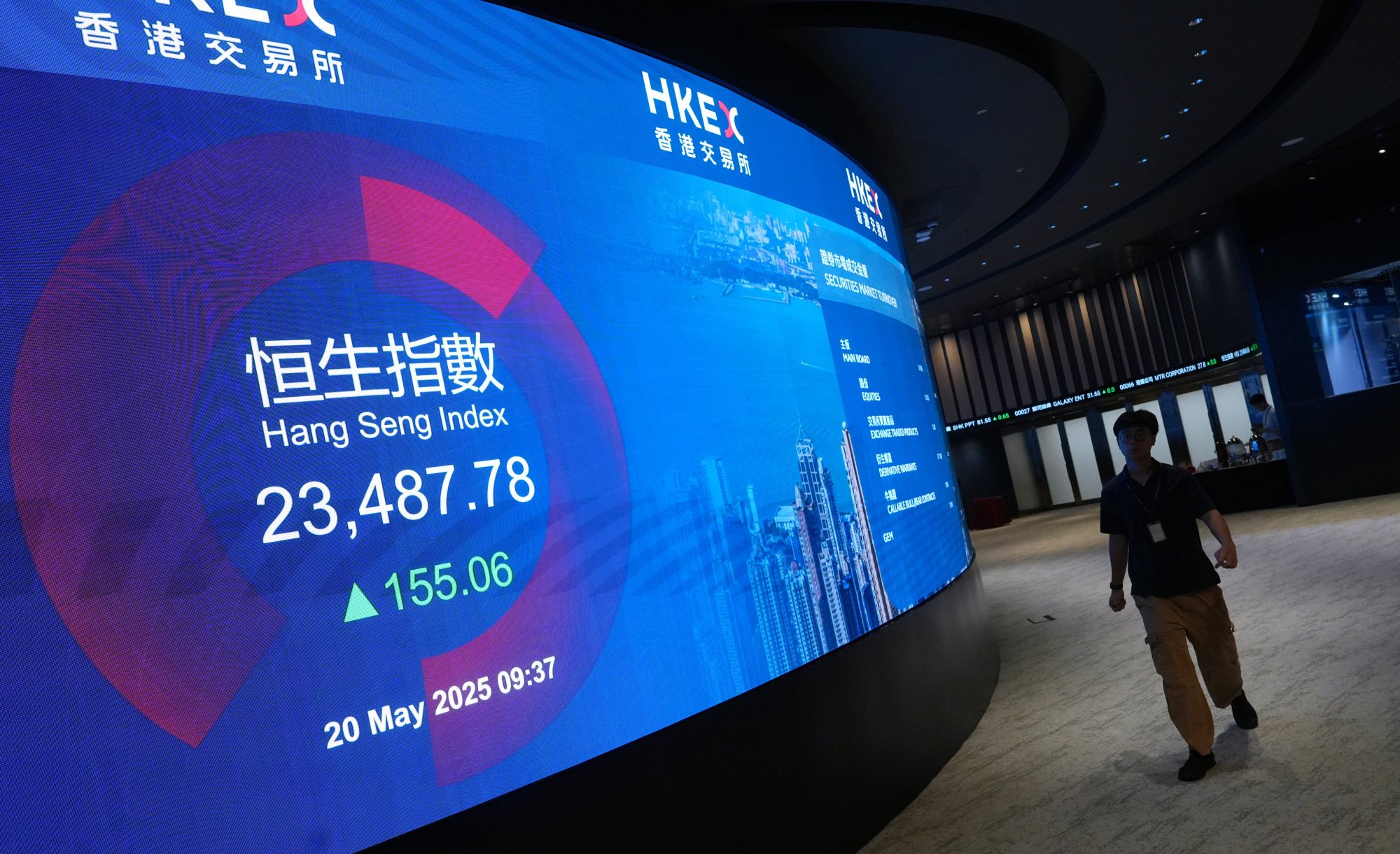
Hong Kong's primary and secondary stock markets are experiencing a revival as Chinese companies return en masse. Of the nearly 60 IPOs in Hong Kong this year, the majority were mainland firms, with around 200 more awaiting approval.
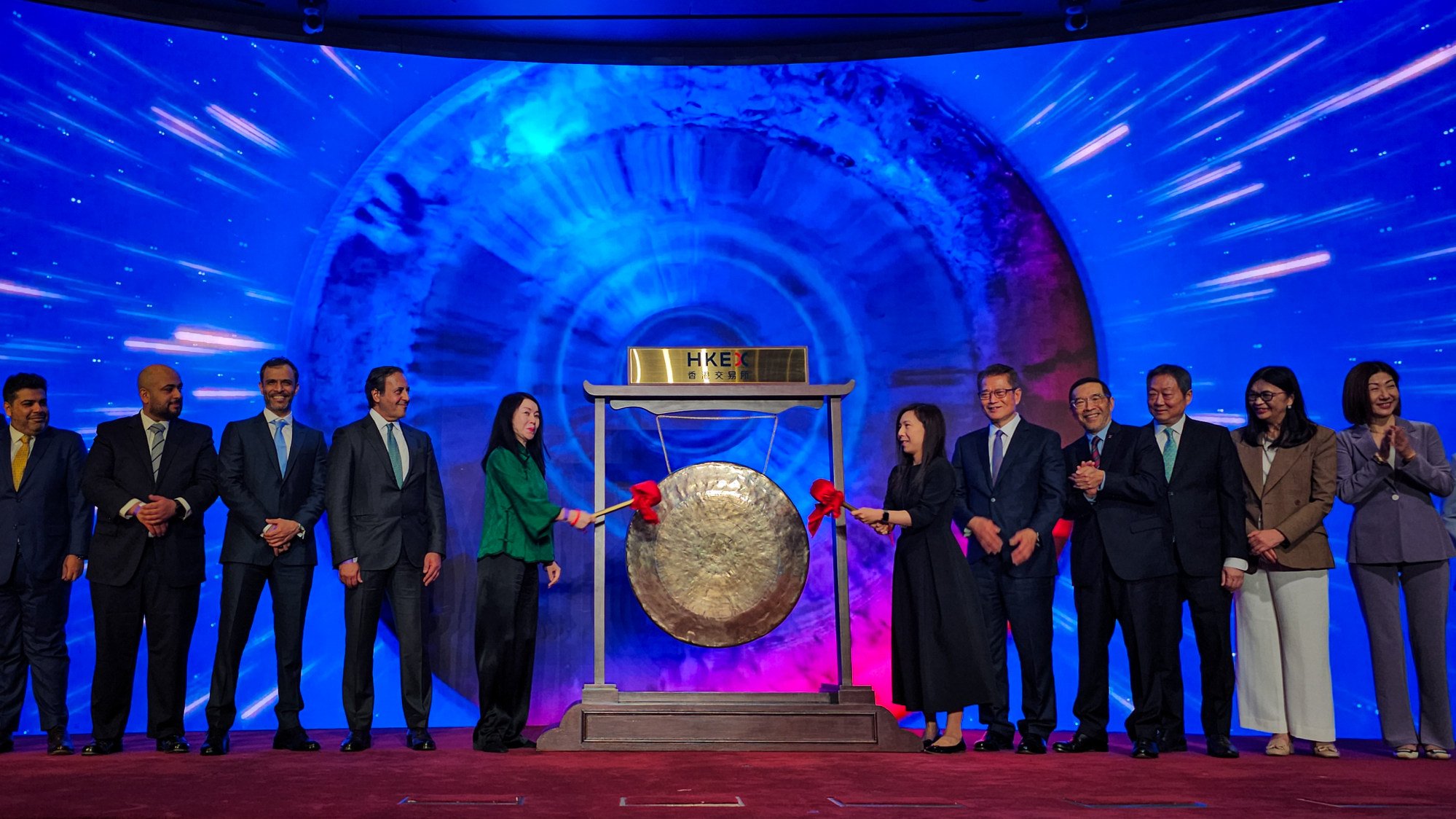
In April 2024, Beijing took steps to cement Hong Kong's role as an international finance center by unveiling five measures designed to deepen connectivity and broaden the city's product base. These measures highlight Beijing's commitment to entrenching Hong Kong's unique role as a marketplace capable of absorbing new products, supporting renminbi internationalization, and providing mainland champions with an international stage.
Looking ahead, Hu emphasizes wealth management as a key focus, particularly in the Greater Bay Area. UBS aims to be the go-to bank in the region for wealth, leveraging its Hong Kong hub. With its strengths in finance, technology, and innovation, as well as access to talent, Hong Kong is well-positioned to deepen connectivity and drive growth.


Comments
Post a Comment