Ulema Council Issues Zakat Fatwa Text
Introduction to the Fatwa on Zakat
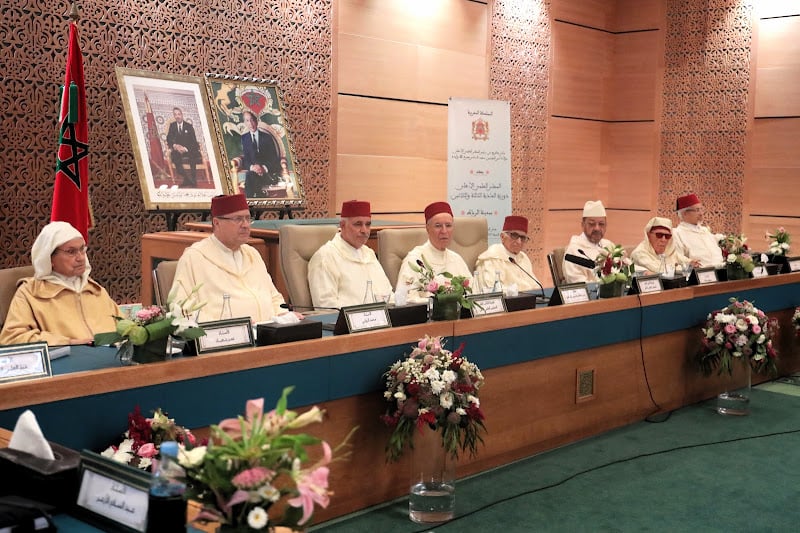
A significant development in Islamic jurisprudence has taken place with the release of the Supreme Council of Ulema’s Fatwa on Zakat. This important document was made available online on Friday at 3pm local time, following the approval of His Majesty King Mohammed VI, Commander of the Faithful, may God preserve Him. The fatwa is now accessible on the websites of the Supreme Council of Ulema and the ministry of Endowments and Islamic Affairs.
Purpose and Focus of the Fatwa
The preamble of the fatwa highlights its primary objectives, which are explanation (Al Bayan), communication (Attabligh), and reminder (Atadkir). These aims are central to the responsibilities of the ulemas, emphasizing the importance of guiding the public in matters of faith and practice. The fatwa is designed to serve as a clear and informative resource for those seeking to understand their obligations regarding Zakat.
Key Aspects Covered by the Fatwa
The content of the fatwa aligns closely with the Maliki rite, focusing on four main areas:
- Types of Property Subject to Zakat: The fatwa outlines the various forms of wealth that are eligible for Zakat, including traditional assets like cereals and livestock.
- Amount Due for Each Category: It specifies the amounts due for each category, using money as a reference point. However, it allows individuals the flexibility to choose gold as an alternative.
- Time When Zakat Becomes Due: The document clarifies the timing for when Zakat becomes obligatory, ensuring clarity for all users.
- Social Categories Entitled to Zakat: It identifies the groups of people who are eligible to receive Zakat, promoting social equity and support.
Exclusions and New Developments
In addition to these aspects, the fatwa explicitly excludes two categories of beneficiaries: those who collect Zakat and those who dedicate it to the emancipation of slaves. This exclusion reflects a careful consideration of the principles underlying Zakat.
The fatwa also introduces new developments by extending its scope beyond ordinary goods. It now includes agricultural products other than cereals and covers new sectors such as trade, industry, and services. This expansion ensures that the fatwa remains relevant in a rapidly evolving economic landscape.
Additional Resources and Moderation
To further assist the public, the Council plans to establish a dedicated section on its website for questions related to Zakat in the context of modern income-generating activities. This initiative aims to provide practical guidance and address contemporary challenges.
The fatwa is described as moderate, rooted in jurisprudence, and responsive to common public inquiries. It aims to clarify the provisions of the third pillar of Islam, reinforcing religious practices without imposing any form of coercion or interference.
Approval and Availability
The Supreme Council of Ulema had previously announced that His Majesty King Mohammed VI, Commander of the Faithful, may God preserve Him, had reviewed the text of the fatwa and granted his high approval for its public release. This endorsement underscores the significance of the document and its alignment with the broader goals of the Islamic community.
Conclusion
The publication of this fatwa marks a pivotal moment in the discourse surrounding Zakat in Morocco. By providing a comprehensive and up-to-date guide, the Supreme Council of Ulema ensures that the principles of Zakat remain accessible and applicable to all members of society. This effort not only strengthens the religious fabric of the community but also promotes a deeper understanding of Islamic teachings in the modern context.


Comments
Post a Comment