U.S. Caught Unprepared by Israel's Red Sea Missile Strike
Strategic Strike and Unforeseen Consequences
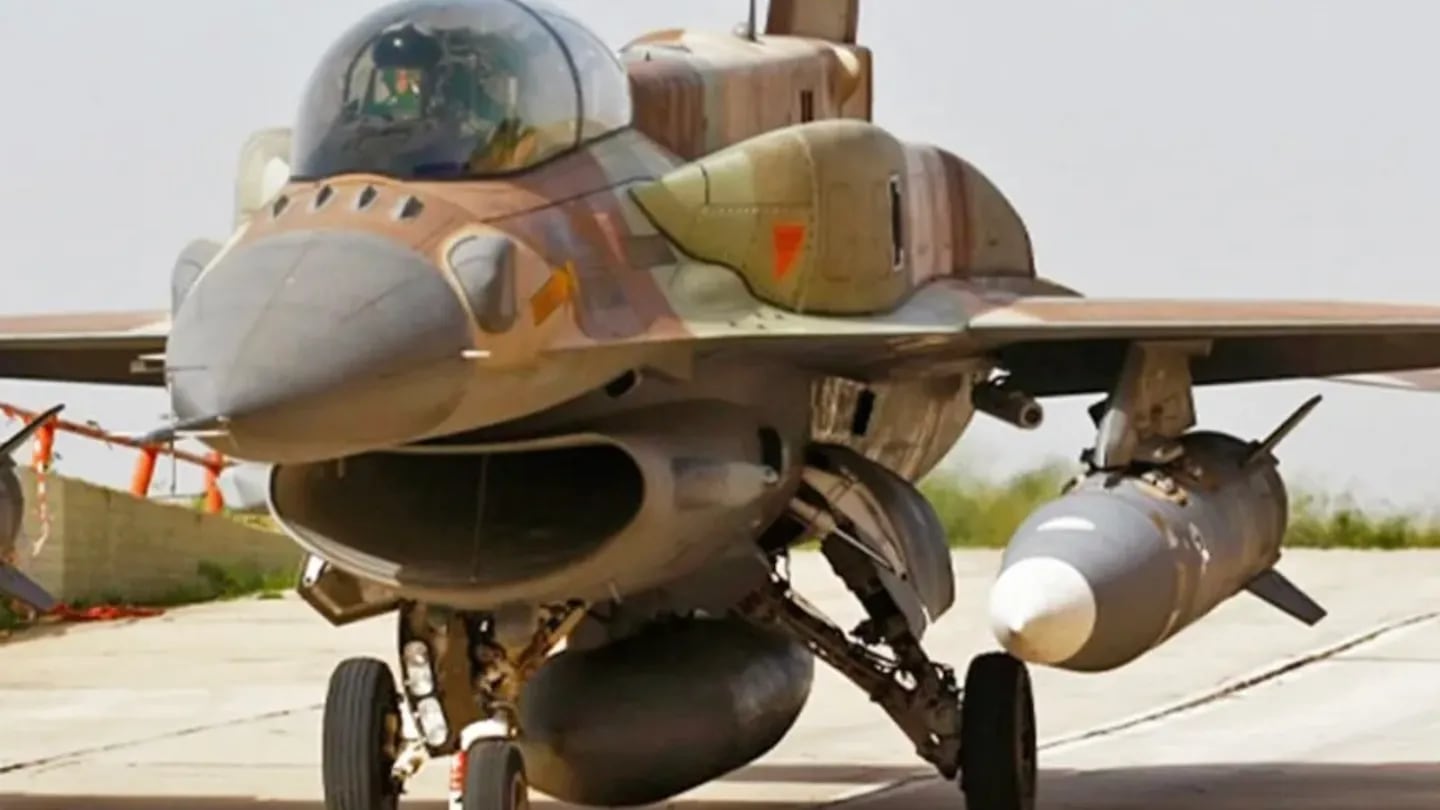
On September 9, 2023, at 3:36 p.m. local time, the Israeli Air Force launched a significant military operation. A total of 15 aircraft, including four F-35 stealth fighters, eight F-15s, and support planes, were deployed to launch 10 missiles toward Doha, the capital of Qatar. The missiles were launched from the northern tip of the Red Sea, off Israel’s southern coast. This strategic move aimed to strike a specific building in Doha, where senior Hamas officials were reportedly reviewing a U.S.-proposed ceasefire agreement.
However, the officials were not present at the time of the attack. The casualties included six individuals, among them the son of a senior Hamas negotiator and several mid-level Hamas figures. Despite the precision of the strike, the operation was executed with minimal warning, as Israel informed the U.S. of the plan only at the last moment. This left no time for political or military intervention, as the long-range ballistic missiles had already been launched by Israeli fighter jets.
The timing of the attack coincided with President Donald Trump's efforts to mediate peace between Israel and Hamas, as well as his broader initiatives to expand the Abraham Accords, which are peace agreements between Israel and several Arab nations. Trump expressed frustration over the unilateral nature of the attack, which he felt undermined his diplomatic efforts. He later voiced his concerns during a call with Prime Minister Benjamin Netanyahu.
U.S. Response and the Role of Al Udeid Air Base
The attack occurred near Al Udeid Air Base, the largest operational hub of the U.S. Central Command. Located southwest of Doha, this base oversees North Africa, the Middle East, and Central Asia, serving as a critical forward command center for U.S. military operations. It hosts approximately 8,000 U.S. troops and air operation units from the U.S., the U.K., and Qatar, equipped with advanced surveillance systems.
This base has previously faced threats, such as an Iranian missile attack on June 25, 2023, when 19 medium- and short-range ballistic missiles targeted the facility. The base’s air defense system successfully intercepted 13 of these missiles, while the remaining ones landed off-target. Iran had warned of the attack beforehand, but the same level of preparedness was not evident during the Israeli strike.
Why Did the Defense Systems Fail?
Major General Derek France, commander of the U.S. Central Command’s Joint Air Force Component Command, explained the failure of the defense systems during a conference on air, space, and cyber operations. He noted that there were no prior signs or warnings of the Doha attack. Surveillance systems were focused on regions like Iran, making it difficult to detect an unexpected threat.
The missile launch point over the Red Sea meant the missiles approached from an unexpected direction, which Qatar’s air defense network was not prepared to handle. Additionally, Israel used air-launched ballistic missiles (ALBMs) to avoid sovereignty disputes if the missiles passed through Saudi airspace. These missiles traveled through space, following a large parabolic trajectory before re-entering Qatari airspace.
Limitations of U.S. Defense Systems
Qatar’s Patriot air defense system is designed to target aircraft, cruise missiles, and short-range ballistic missiles, making it ineffective against long-range ballistic missiles. To intercept such missiles, a Terminal High Altitude Area Defense (THAAD) system would be required, but Qatar has not yet deployed one.
Israel did not provide accurate information about the attack’s target even after the U.S. detected the missiles. By the time U.S. space-based sensors calculated the trajectory and identified Doha as the target, it was too late to intercept the missiles. The U.S. satellite-based ballistic missile detection system excels at tracking launches but has limited capability to track missiles in their midcourse phase.
Aftermath and Implications
The U.S. learned of the attack only after the missiles were launched. During an emergency call with Prime Minister Netanyahu, Trump expressed deep dissatisfaction, noting that the U.S. had learned of the situation through its military and had been caught off guard. Netanyahu explained that the “window of opportunity for the attack was short.” Later, Trump asked, “Was it successful?” and Netanyahu reportedly replied, “We do not know.”
This operation highlighted Israel’s military superiority, demonstrating its ability to conduct long-range, high-precision strikes on the territory of a key U.S. ally in the Middle East. It also raised questions about the effectiveness of current defense systems and the need for improved coordination between allies in the region.


Comments
Post a Comment