US Sanctions President Petro, Escalating Tensions with Colombia
Escalation in US-Colombian Relations
The Trump administration has imposed sanctions on Colombian President Gustavo Petro, accusing him of failing to curb the country's drug trade. The move comes as the United States intensifies its military efforts against suspected drug-smuggling vessels in the Caribbean Sea.
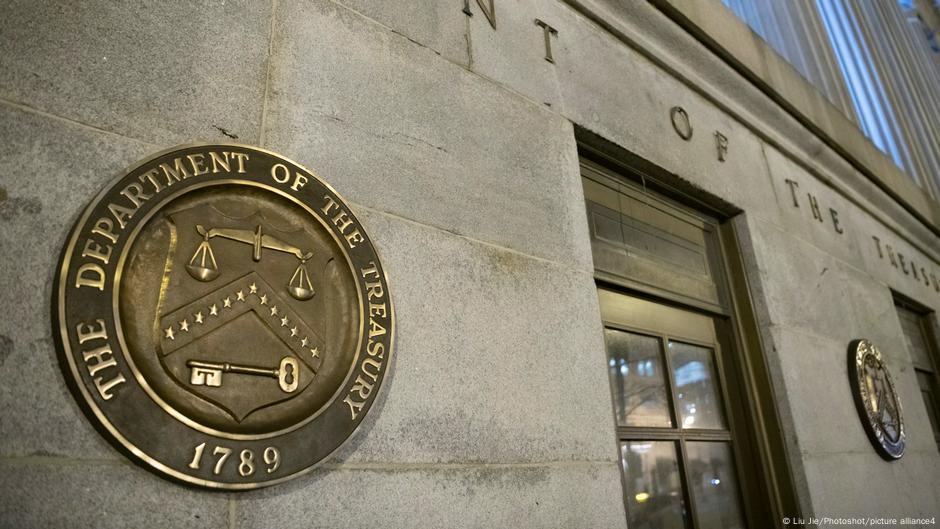
Treasury Secretary Scott Bessent announced the sanctions on Friday, targeting Petro and his wife, as well as Interior Minister Armando Benedetti. The U.S. government claims that Petro has allowed drug cartels to thrive within Colombia, despite repeated calls for action.
"President Petro has allowed drug cartels to flourish and refused to stop this activity," said Bessent. "President Trump is taking strong action to protect our nation and make clear that we will not tolerate the trafficking of drugs into our nation."
This development marks a significant escalation in U.S.-Colombian relations. Under the Trump administration, the U.S. has increased its military presence in the region, deploying troops to target alleged drug cartels. The administration has also hinted at potential invasions and covert operations in Latin America, signaling a more aggressive stance in the fight against drug trafficking.
Accusations and Reactions
Colombia's President Petro has responded to the sanctions by accusing the United States of violating international law in its approach to the drug war. He has criticized the U.S. for its actions, which he claims have led to the deaths of innocent people.
Petro has long maintained that the focus should be on addressing the root causes of the drug trade, such as poverty and lack of economic opportunities, rather than solely relying on military interventions. His administration has emphasized the need for a more comprehensive and diplomatic approach to the issue.
Impact on Bilateral Relations
The imposition of sanctions has strained the already tense relationship between the two countries. While the U.S. has historically supported Colombia in its fight against drug cartels, the current administration's approach has drawn criticism from both domestic and international observers.
The decision to sanction Petro and his close associates has raised questions about the role of political influence in the U.S. response to the drug trade. Critics argue that the move could undermine diplomatic efforts and further complicate an already complex situation.
Broader Implications
The U.S. military campaign in the Caribbean Sea reflects a broader strategy to combat drug smuggling routes that pass through the region. By targeting vessels suspected of transporting narcotics, the U.S. aims to disrupt the flow of illegal drugs into the country.
However, this approach has also sparked concerns about the potential for civilian casualties and the impact on regional stability. Human rights organizations have called for greater transparency and accountability in these operations.
Ongoing Developments
As the situation continues to unfold, it remains to be seen how Colombia will respond to the sanctions. The country may seek support from other nations or regional organizations to counter what it perceives as an overreach by the U.S.
The international community is closely watching the developments, with many hoping for a resolution that prioritizes diplomacy and cooperation over confrontation.
This story is developing, and further updates are expected as more information becomes available.


Comments
Post a Comment