Vatican Calls for Immediate AI Regulation
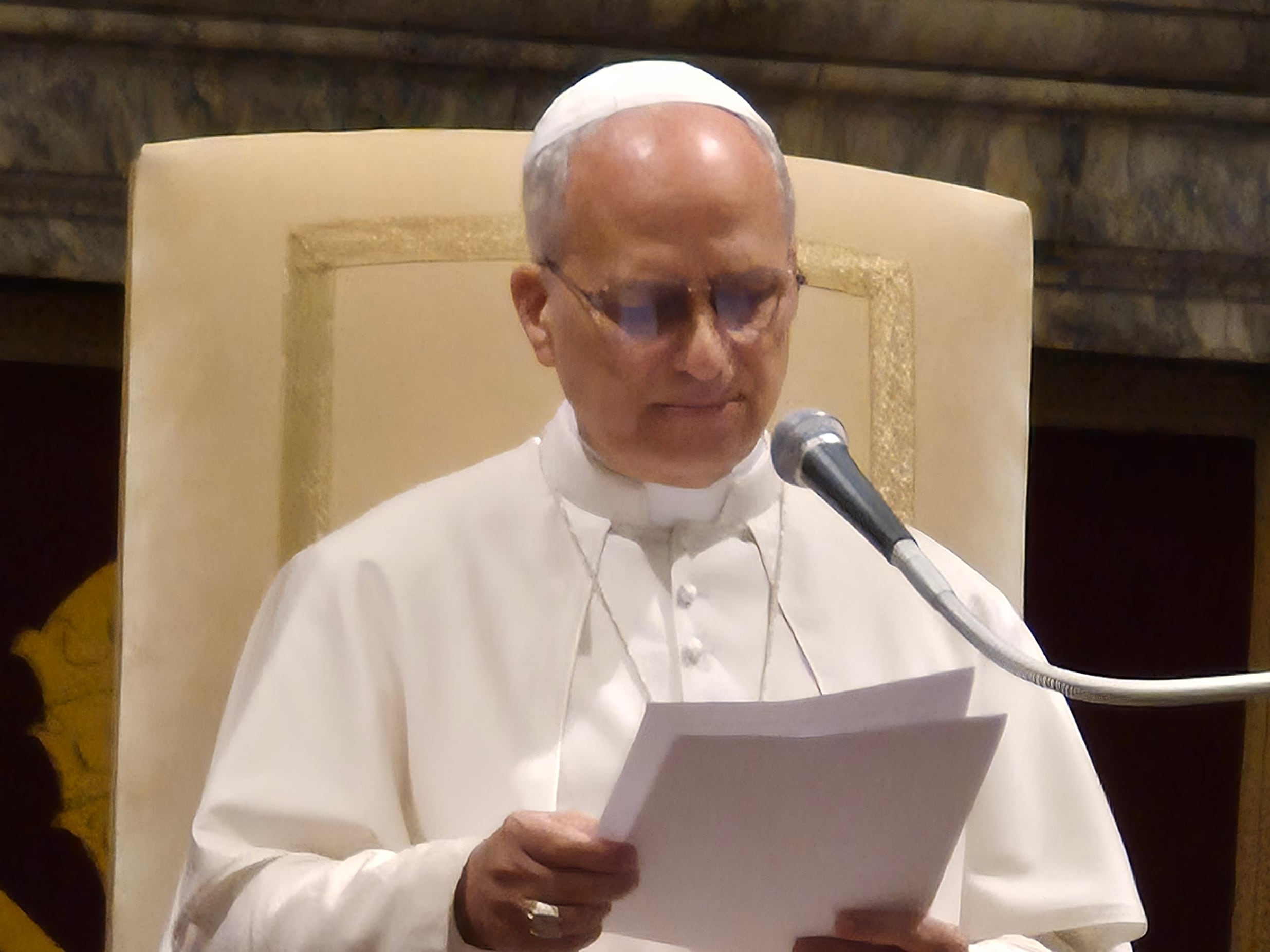
A Global Dialogue on AI and Human Dignity
From September 11, I had the privilege of presenting at an international seminar organized by the Vatican’s Theological Academy in Rome. Over the course of two days, the event brought together experts from around the world to discuss pressing global issues. The theme of the seminar—“Creation, Nature, Environment, and for a Peaceful World”—highlighted the need for a collective response to the challenges facing humanity today. Central to the discussions was the role of artificial intelligence (AI) in shaping our future, particularly its impact on human dignity.
The Pope, who assumed his position in May, has made AI one of the most significant concerns of his papacy. In his first official address, he expressed caution about the potential threats AI poses to human dignity. He emphasized the need for regulation, especially regarding its effects on the intellectual and spiritual growth of young people. However, there is a clear contrast between the Vatican’s stance and that of major tech companies like Google and OpenAI. While these corporations advocate for self-regulation and autonomous ethical guidelines, the Vatican argues that such approaches are insufficient.
The Acceleration of AI Technology
One of the most alarming aspects of AI development is its unprecedented speed. Some assessments suggest that milestones once expected by 2040 have already been achieved this year. This rapid progress is driven by the intense competition between the U.S. and China, where technological advancement has become almost inevitable. The social risks associated with uncontrolled AI growth are already becoming apparent, and future risks are likely to be far more complex than we can currently imagine. Despite this, there remains a lack of meaningful discourse and action to address these challenges.
At the Vatican seminar, I stressed the urgency of protecting human dignity and youth in the face of AI-related risks. The core issue is not the technology itself but the absence of ethical frameworks to guide it. Major AI corporations hold immense power and influence, and they must recognize the importance of ethics in their operations. As the saying goes, “with great power comes great responsibility.” To ensure a sustainable future, a collaborative approach involving governments, businesses, civil society, and religious institutions is essential. Establishing robust norms and institutional frameworks will be crucial in this effort.
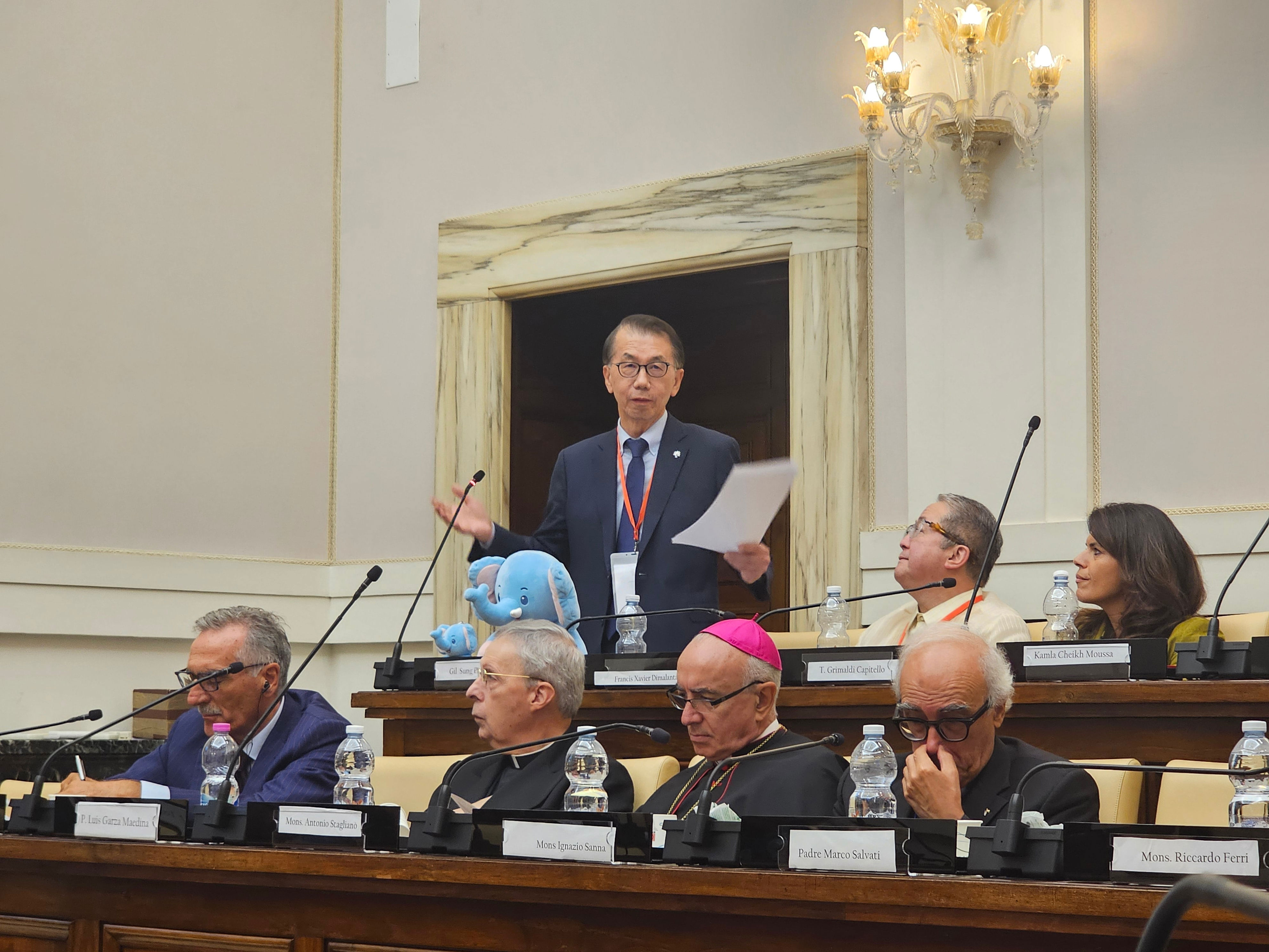
Three Urgent Action Plans
In light of these challenges, I proposed three immediate action plans. First, concrete and practical AI ethics guidelines must be developed to reflect the fast-changing nature of the digital age. These guidelines should serve as a foundation for responsible AI development. Second, an AI platform evaluation index should be created. Based on this, active management—including regular checks of AI platform content and the removal of harmful material—is necessary. Third, protection manuals for victims of AI-related crises must be developed. These manuals will serve as a starting point for recovery and prevention efforts.
Building an Ethical Society
The fundamental framework of the AI era should be an “ethical society.” Only through such a foundation can the current AI digital revolution evolve into a true civilizational transition. The government’s vision of becoming a “top-three AI powerhouse” must be accompanied by the values and strategies of an “AI ethics-first society.” Only then will “K-AI” be completed as a sustainable and holistic entity.


Comments
Post a Comment