Will I Be Fined Without a National ID Card? And What If I Don't Have a Smartphone?
The Proposed 'BritCard' and Its Implications
A new digital identity card, referred to as the 'BritCard', is being considered by the UK government as a potential solution to various immigration and employment issues. This initiative, which could be mandatory for all adults in Britain, has sparked significant debate due to its implications on privacy, security, and civil liberties.
The 'BritCard' is expected to function as a smartphone-based application rather than a physical card. It would likely incorporate biometric data such as facial recognition and fingerprints to verify an individual's identity. This system would cross-reference information with a central database containing records of millions of British citizens. The use of existing smartphone technologies, like facial ID, could enhance the security of the digital card.
However, the project is still in its early stages, and detailed proposals have yet to be finalized. This lack of clarity raises concerns about the feasibility and effectiveness of the plan.
A History of National ID Cards in the UK
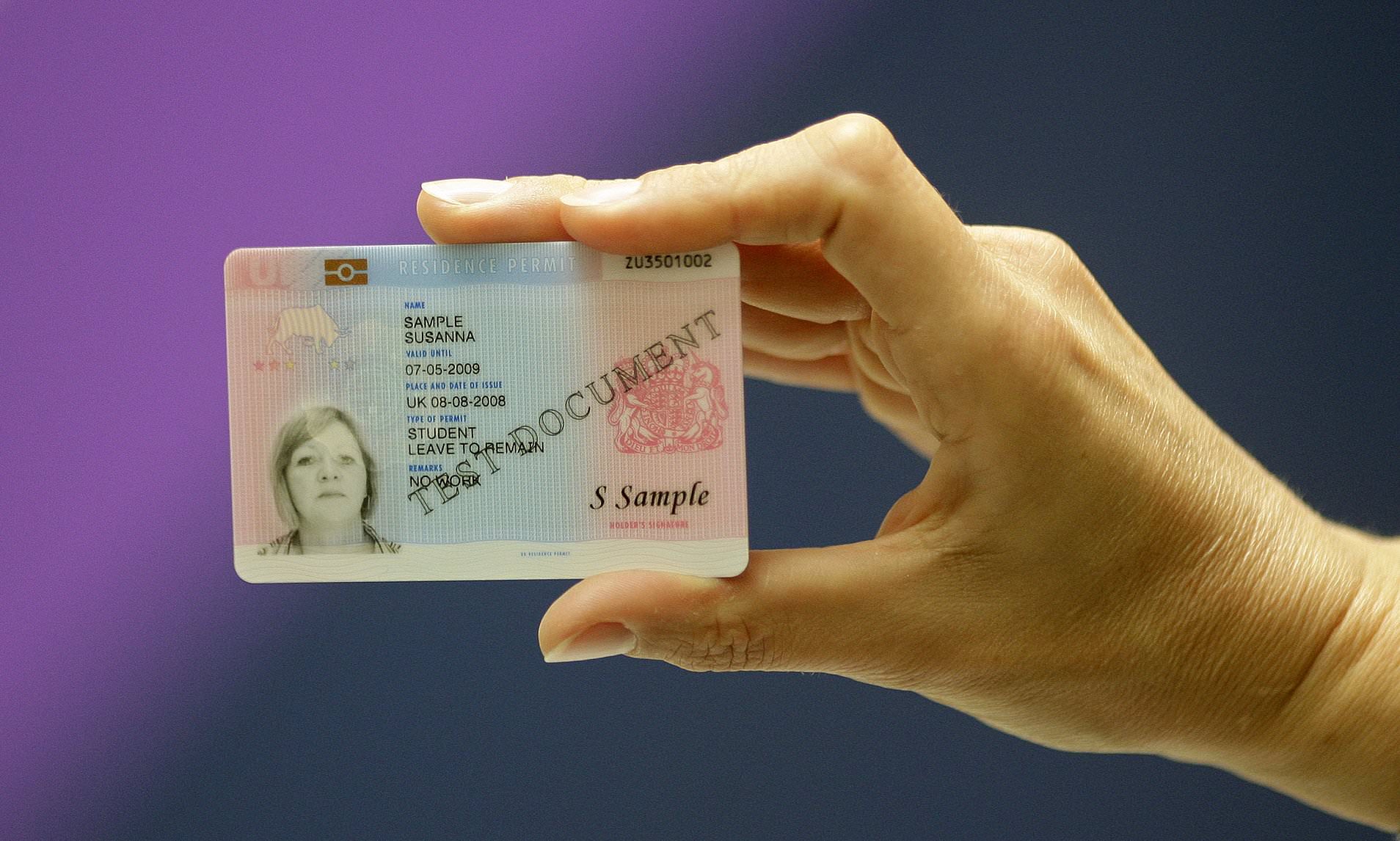
This is not the first time the UK has attempted to implement a national ID card system. In 2006, under Tony Blair’s Labour government, legislation was passed for a national ID card scheme. Although initially abandoned, the plan was eventually implemented in 2009 with credit card-style cards featuring microchips. Despite the initial rollout, the scheme was discontinued after the 2010 general election, with £257 million spent on the project.
The previous attempt faced challenges related to cost, public acceptance, and technical implementation. These lessons may influence the current approach, but the risks remain significant.
Security and Forgery Concerns
One of the primary concerns surrounding the 'BritCard' is its susceptibility to forgery. While a digital ID card could theoretically be more secure than traditional documents, the level of security depends on the checks integrated into the system. Real-time verification against a central database could make it difficult to forge, but less rigorous checks might be vulnerable to manipulation.
The success of the new system remains uncertain, as it is too early to evaluate its effectiveness. The government must address these concerns to gain public trust.
Legal and Financial Implications
Under the previous scheme, there were no fines for refusing to register for an ID card, as the program never reached the compulsory stage. However, penalties were introduced for failing to update personal information or surrendering the card. Fines could reach up to £1,000.
The financial burden of the new initiative is expected to be substantial. Developing the necessary IT systems from scratch and establishing a network of centers for biometric data collection could cost billions of pounds. Additionally, the government’s track record with IT projects has been problematic, with many initiatives facing delays and budget overruns.
Civil Liberties and Privacy Issues
The introduction of a national ID card system raises serious questions about civil liberties and privacy. Many Britons are concerned about the potential for increased surveillance and the erosion of personal freedoms. Critics argue that such a system could lead to a 'dystopian nightmare,' where individuals are constantly monitored and required to prove their identity.
Data security is another critical issue. The UK government has experienced several high-profile data breaches, and a centralized database of personal information could be a prime target for cyberattacks. If compromised, the consequences could be catastrophic.
International Comparisons
Many countries, including Estonia, Spain, Portugal, Germany, India, the UAE, and France, already use digital ID systems. France has argued that the absence of ID cards in the UK contributes to illegal migration, as undocumented individuals can easily find work in the informal economy.
However, critics, such as Shadow Justice Secretary Robert Jenrick, argue that ID cards will not significantly impact illegal migration. The effectiveness of the 'BritCard' in addressing these issues remains to be seen.
Accessibility and Inclusivity
The proposed system may face challenges in terms of accessibility. Not everyone owns a smartphone, particularly among older populations. The government must consider alternative methods for accessing the digital ID system to avoid discrimination and ensure inclusivity.
Conclusion
The 'BritCard' initiative represents a significant shift in how the UK manages identity and immigration. While it aims to streamline processes and reduce illegal working, it also raises important questions about privacy, security, and the potential for misuse. As the government moves forward, it must carefully balance these concerns with the need for effective solutions to complex societal issues.


Comments
Post a Comment