Wood Burners Cause 2,500 Deaths Annually in UK, Study Says
The Hidden Health Crisis of Wood-Burning Stoves in the UK
Wood-burning stoves and open fires have become a significant contributor to air pollution in the UK, with a recent study linking them to 2,500 deaths annually. The report suggests that banning non-essential domestic burning could save the NHS over £54 million each year. This alarming figure highlights the urgent need for action to address the health risks associated with these heating methods.
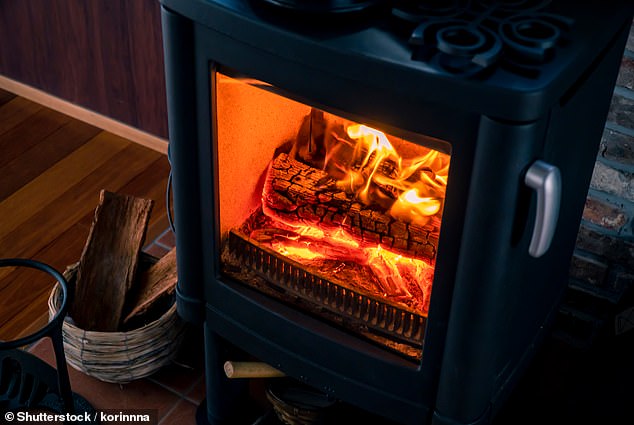
The study, commissioned by climate charity Global Action Plan and Hertfordshire County Council, was conducted by UK environmental consultancy Ricardo. It found that non-essential domestic burning of wood and coal is one of the UK's largest sources of toxic fine particle air pollution. Researchers warn that fine particulate matter released during combustion can penetrate deep into the lungs and bloodstream, leading to serious health issues such as heart and lung disease.
In addition to the direct health impacts, the report also links air pollution from home burning to an average of more than 3,700 cases of diabetes and nearly 1,500 cases of asthma each year in the UK. These statistics underscore the severity of the problem and the need for immediate intervention.
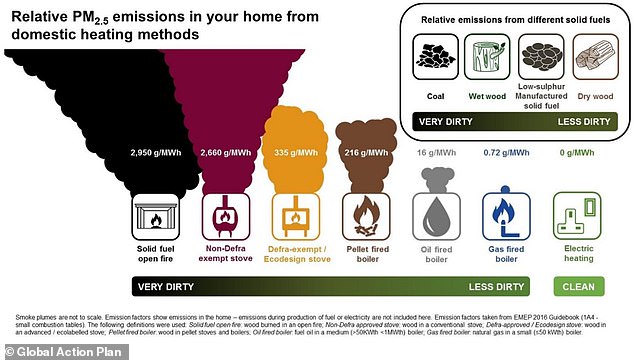
Despite these findings, the Stove Industry Association defends modern stoves as an "efficient, renewable heating option" that supports the UK’s domestic fuel supply chain. They argue that such stoves provide important energy security and resilience, especially for off-grid homes. However, the researchers emphasize that even modern stoves contribute significantly to air pollution, particularly in urban areas where their use has been increasing.
The report highlights that 92% of people burning wood in the UK already have another way to heat their homes. Yet, the popularity of wood-burning stoves continues to rise, often for lifestyle reasons rather than necessity. This trend is particularly noticeable in urban areas outside major cities, where residents are installing these stoves without fully understanding the health risks they pose to themselves and their communities.

Researchers suggest that implementing Smoke Control Areas across all urban areas of the UK could help reduce the health burden of air pollution from domestic burning. However, they note that this measure alone would only prevent around 321 deaths each year. The current limitations on what can be burned and how, in designated Smoke Control Areas, are deemed insufficient to tackle the broader issue.
Larissa Lockwood, director of policy and campaigns at Global Action Plan, stresses the importance of making cleaner, greener, and more affordable heating options accessible to everyone. She calls on the government to support proper insulation of homes and to empower councils to take action against air pollution. Lockwood also emphasizes the need for clear public guidance on the health harms of burning wood and other solid fuels.
Guy Hitchcock, technical director of air quality at Ricardo, adds that reducing the use of solid fuel heating would not only improve health outcomes but also save the NHS £54 million annually. He points out that while policies can influence the use of these heating methods, individual household actions are equally crucial.
Experts believe that domestic wood burning is one of the largest single sources of PM2.5, a type of air pollution that poses severe health risks. Dr. Abi Whitehouse, a clinical academic respiratory children's doctor in East London, warns that the smoke and fine particles from wood-burning stoves can worsen asthma symptoms and trigger attacks, particularly affecting children.
Matthew Clarke, program manager for air quality at Hertfordshire County Council, states that the evidence supports the use of existing Smoke Control Area legislation to improve health outcomes. However, he notes that new data shows significant ongoing effects, emphasizing the importance of informing communities about the health impacts of wood burning.
A separate study from University College London last month found that burning wood indoors can cause damage similar to cigarette smoke, linking the growing popularity of domestic wood burning to lung damage. The government has acknowledged air pollution as a public health issue and committed to reducing emissions from domestic burning to protect public health.
Sir Chris Whitty, Chief Medical Officer for England, has also highlighted the role of wood burners and air fresheners in contributing to air pollution. He advises against using these products when it is not necessary, particularly for those with asthmatic children.
While the Stove Industry Alliance defends modern stoves as efficient and renewable heating options, the growing body of evidence suggests that the health risks associated with wood burning are too significant to ignore. As the debate continues, the focus remains on finding sustainable and safe alternatives to protect public health.


Comments
Post a Comment