Yobe Equips Tsangaya Schools With Learning Materials and Welfare Aid
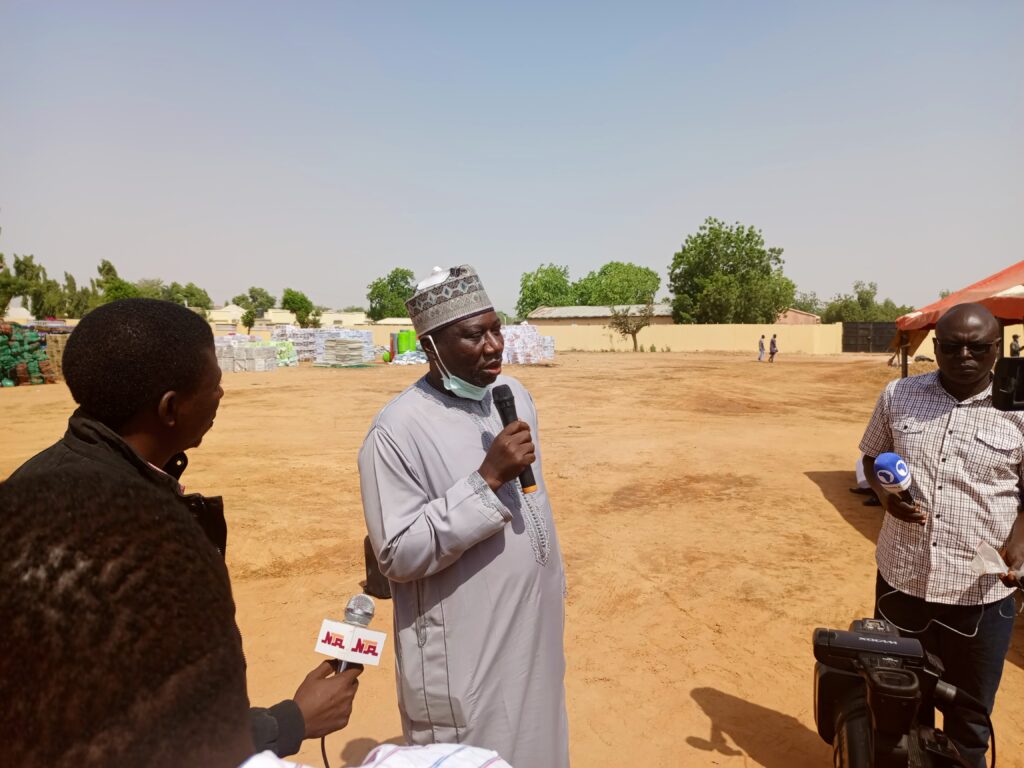
Yobe State Launches Initiative to Support Islamic Schools
The Yobe State Government has officially launched the distribution of learning materials to Tsangaya and Islamiyya (Islamic schools) throughout the state. This initiative is aimed at improving the welfare of Almajiri children and enhancing the capacity of Islamiyya schools by creating a more structured, safe, and supportive learning environment.
During the flag-off ceremony, Malam Umar Abubakar, the Executive Secretary of the Yobe State Arabic and Islamic Education Board (AISEB), highlighted that the agency has introduced several welfare programs to improve the living conditions of Tsangaya pupils. These programs are designed to ensure that students receive better care and educational support.
According to Abubakar, the state government has distributed a variety of essential items to various Almajiri schools. These include:
- 20,000 mats
- 2,200 mosquito nets
- 3,500 food dishes
- 3,000 pairs of shoes
- 30,000 textbooks
Other distributed items include 2,000 reading materials, 10 sewing machines, and one grasscutter machine presented to Ulamas to promote self-reliance. The inclusion of these items aims to not only provide immediate relief but also encourage long-term sustainability within the community.
Abubakar further revealed that since the establishment of the AISEB, thousands of Almajiri children have been enrolled in the Yobe State Contributory Healthcare Management Agency (YOCHMA). This ensures access to free and quality healthcare services for these students. He also disclosed that more than 35 Almajiri children have undergone surgical operations, including some with serious medical conditions.
Despite these efforts, challenges such as street begging, inadequate infrastructure, and limited access to learning materials remain major concerns. Addressing these issues will require continued investment and collaboration between the government, religious leaders, and the community.
Governor Mai Mala Buni, represented by the Commissioner for Religious Affairs and Ethical Re-Orientation, Alhaji Yusuf Umar, emphasized that the state government has commenced teacher training programs. These programs aim to equip Ulamas and instructors with modern teaching techniques. The initiative also emphasizes discipline, hygiene, and moral upbringing in accordance with Islamic principles.
This comprehensive approach to education and welfare reflects the government's commitment to improving the lives of Almajiri children. By providing them with better resources and training, the state hopes to create a more stable and supportive environment for their growth and development.


Comments
Post a Comment