2,000 Durian Containers Stuck in Limbo as Labs Halt Testing
A Crisis in Durian Exports
Around 2,000 containers of Dak Lak durians have been stranded at warehouses, packing facilities, and border checkpoints for 10 to 15 days. This situation has arisen due to a halt in chemical testing by laboratories, leading to significant losses for exporters.
Le Anh Trung, chairman of the Dak Lak Durian Association, explained that the issue began on October 11 when facilities responsible for chemical residue testing for durian exports stopped accepting samples. Additionally, these labs have not released results for previous batches, preventing businesses from obtaining the necessary certifications for export.
Trung noted that few facilities can test for both Auramine O, a carcinogenic dye, and cadmium, a heavy metal. Most labs are only equipped to handle one of the two tests, even though both are required. As a result, the testing process has fallen behind, especially as the durian harvest peaks in Dak Lak, a major producing province in the Central Highlands.
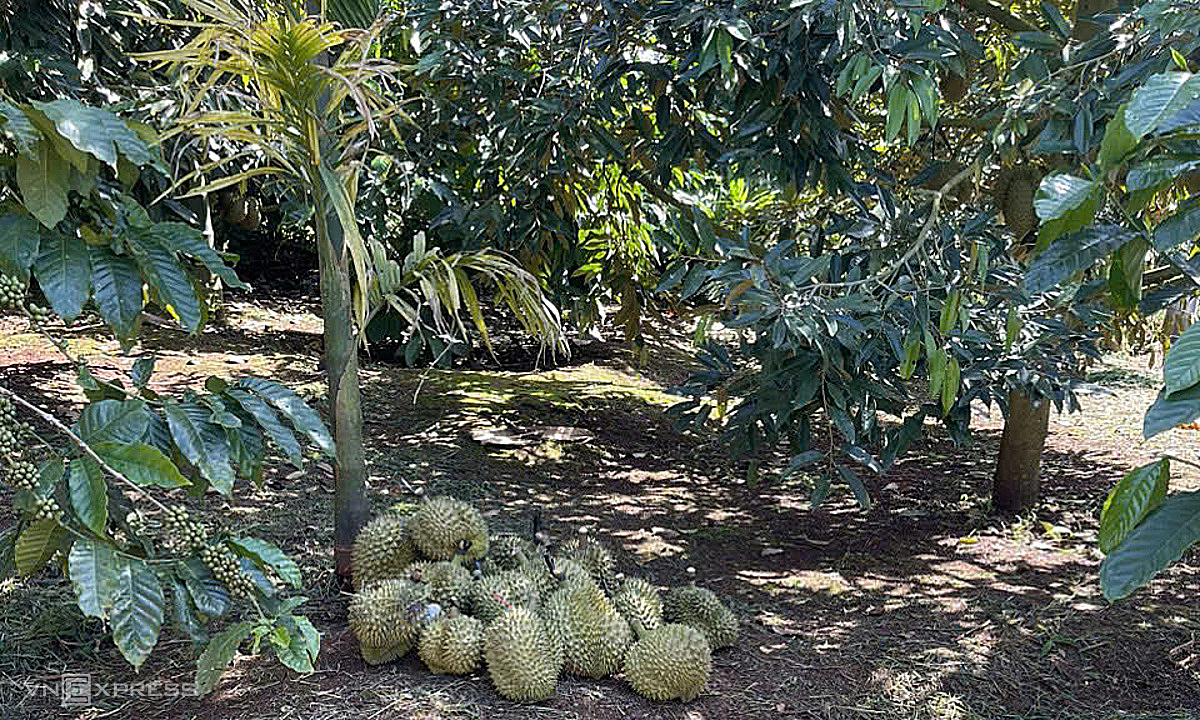
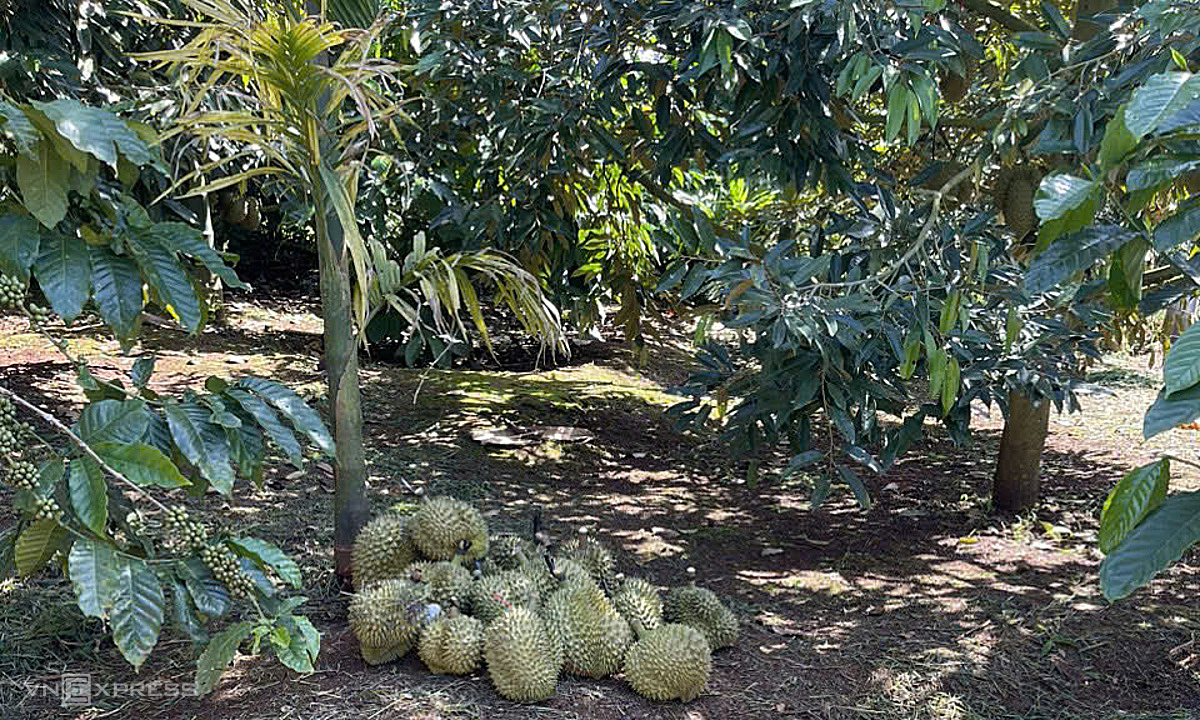
The stranded shipments are at risk of spoilage and cracked shells, which could reduce their quality, according to the association. The pause in testing has also forced factories and cooperatives to stop buying fruit from growers, driving down prices.
The price of grade A durians at traders has dropped from over VND100,000 (US$3.8) to around VND80,000 per kilogram. Thousands of tons of ripe fruit remain unsold while farmers still have to bear the costs of plant care, transportation, and storage.
Impact on Farmers and Exporters
Durians harvested and piled up by farmers in Dak Lak Province, Central Highlands, on October 25, 2025, as businesses and traders halted purchases. Photo by Linh Dan
The association has urged the Ministry of Agriculture and Environment and the provincial People’s Committee to intervene and resume testing. It proposed prioritizing export-related testing and temporarily authorizing qualified local facilities to handle the work to ease the burden on central laboratories during the peak season.
The ministry held a meeting with several labs and specialized units on Friday afternoon to resolve the bottleneck. That evening, some facilities began releasing results for previously delayed shipments, helping clear part of the backlog of containers. However, new samples have yet to be accepted, and businesses are still awaiting further guidance.
Meanwhile, durian exports remain under heavy pressure as each day of delay could lead to hundreds of tons of fruit spoiling and damage Vietnam’s reputation with trade partners. Trung said a solution is urgently needed to maintain testing capacity during the peak season and prevent recurrences.
Economic Implications
Vietnam exported around 451,000 tons of fresh durians worth $1.52 billion in the first eight months of 2025, down 24% in volume and 25% in value from a year ago, according to customs data. Frozen durian shipments amounted to over 58,000 tons worth $265 million, up 67% and 127% year-on-year, respectively.
Exports of the fruit totaled nearly $1.8 billion during the period, a nearly 16% decline from a year earlier. The association said it is compiling data from businesses to propose measures that not only address immediate difficulties but also establish a stable testing mechanism for the durian industry in the long term, as the fruit becomes one of Vietnam’s key agricultural exports.
Long-Term Solutions
To ensure the sustainability of the durian industry, the association is working on long-term solutions. These include improving the testing infrastructure, increasing the number of qualified laboratories, and implementing more efficient protocols for chemical residue testing.
The goal is to create a reliable system that can handle the high volume of durian exports during peak seasons without compromising on quality or safety. This will help protect the interests of farmers, exporters, and consumers alike.
In addition, the association is advocating for better communication between regulatory bodies, laboratories, and the private sector to prevent future disruptions. By fostering collaboration and transparency, the industry can build resilience against similar challenges in the future.
Ultimately, the success of Vietnam's durian exports depends on a well-coordinated effort to maintain quality standards, streamline processes, and support all stakeholders involved in the supply chain.


Comments
Post a Comment