55 Dead in Central Vietnam Floods as River Levels Fall
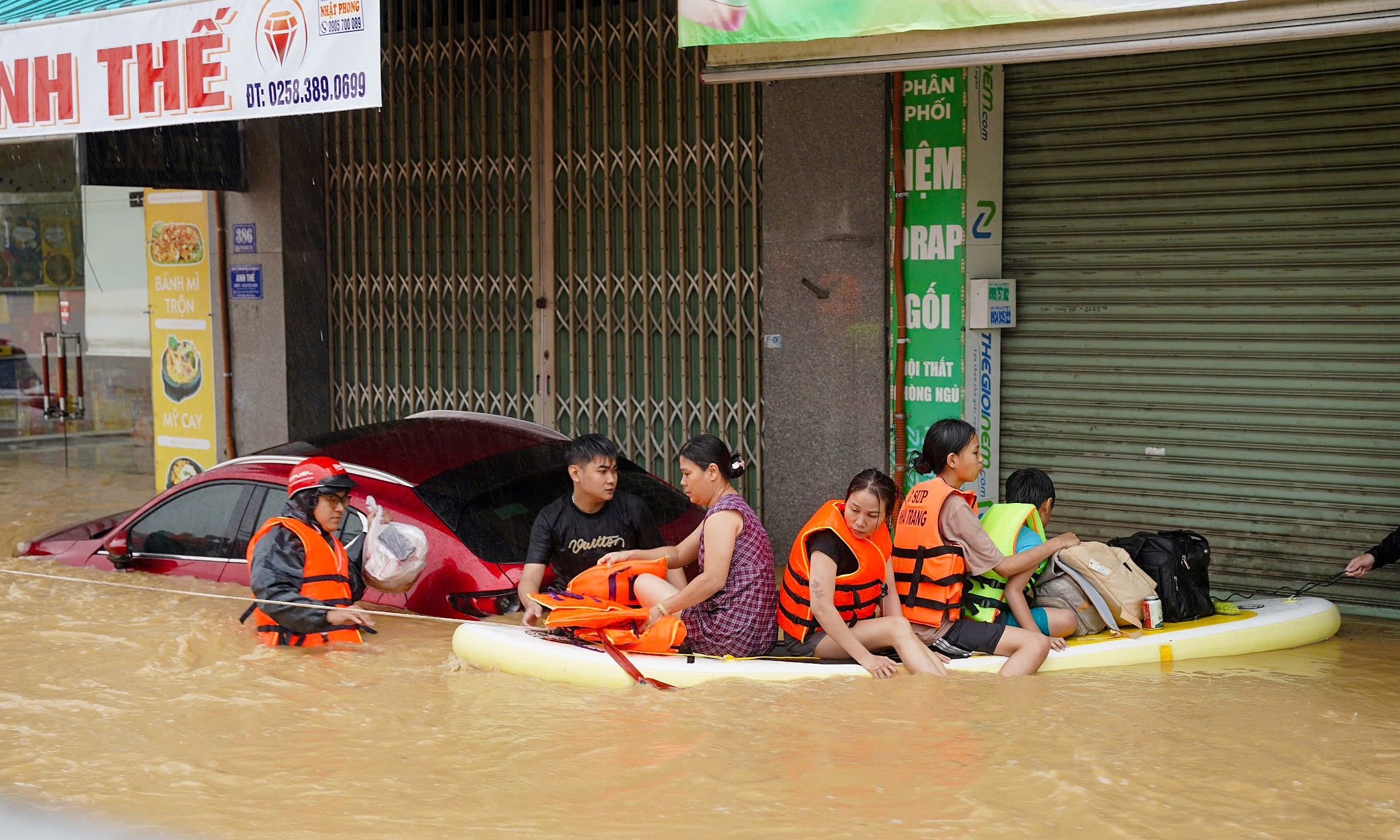
Escalating Impact of Flooding and Landslides in Central Vietnam
The ongoing flooding and landslides in central Vietnam have resulted in a tragic death toll of 55 people, with 13 others still unaccounted for, according to recent updates from authorities. The situation remains critical as relief efforts continue around the clock.
Regional Toll and Ongoing Risks
Dak Lak province has been the hardest hit, with 27 reported deaths, followed closely by Khanh Hoa, which recorded 14 fatalities. Gia Lai and Lam Dong each saw five deaths, while two more were reported in Hue and Da Nang. The number of missing individuals stands at 13, primarily in Dak Lak and Khanh Hoa.
The casualty count has risen by 10 since the previous day, even as river levels on major waterways begin to recede. However, the threat is far from over, as experts warn that the risk of flash floods and landslides remains high due to expected continued rainfall.
Water Levels and Warnings
The Department of Dyke Management and Natural Disaster Prevention noted that rainfall significantly decreased across several provinces on Friday, including Gia Lai, Dak Lak, Khanh Hoa, and Lam Dong, with scattered totals remaining below 30 mm throughout the day.
Despite this, water levels on key rivers remain dangerously high. The Krong Ana River in Dak Lak continues to be 2.06 meters above the alarm level three, the highest warning level. Similarly, the Serepok River in the same province is 3.46 meters above the level three. In Khanh Hoa, the Dinh Ninh Hoa River is 0.27 meters above the level three, while the Ba River is slightly lower at 0.3 meters below level two.
Forecasters from the National Center for Hydro-Meteorological Forecasting predict that the Krong Ana River will continue to drop but will remain above alarm level three. The Dinh Ninh Hoa River is expected to fluctuate between level two and three, while the Ba River downstream will likely remain around level one.
Continued Rainfall and Potential for Further Damage
Although river levels are gradually decreasing, the National Center for Hydro-Meteorological Forecasting has warned that rain is expected to persist in the coming days. This poses a significant risk of further flooding and landslides, despite the easing waters.
On Saturday, eastern areas from Quang Ngai to Dak Lak, including northern Khanh Hoa, are forecast to receive 30–60 mm of rain, with some locations expecting over 120 mm. Rain is also expected on Sunday in Hue and the eastern parts of provinces from Da Nang to Gia Lai, with general totals of 30–70 mm.
Destruction and Economic Losses
The destruction caused by the flooding has been extensive. Officials report that 946 houses have been destroyed, with nearly 780 of them located in Lam Dong. Approximately 28,500 homes remain inundated, mainly in Dak Lak (11,600), Khanh Hoa (10,400), and Gia Lai (6,500).
Preliminary economic losses are estimated at over VND8.98 trillion (US$340.7 million), an increase of nearly VND6 trillion from the previous day's analysis. These losses include nearly 80,000 hectares of rice and crops, more than 100,000 hectares of perennial crops, 3.2 million heads of livestock, and over 1.1 hectares of aquaculture.
Infrastructure and Utility Disruptions
Transportation and utilities have been severely impacted. There are 16 points on national highways and 180 spots on provincial and local roads that are either flooded or damaged, causing blockages. Railway services through central Vietnam have been suspended since November 19. While power has been restored to over 800,000 households, more than 370,000 customers in Dak Lak, Khanh Hoa, and Gia Lai remain without electricity. At the peak of the flood, nearly 1.2 million households were cut off.


Comments
Post a Comment