AI App Brings Back the Dead, Igniting Ethical Controversy
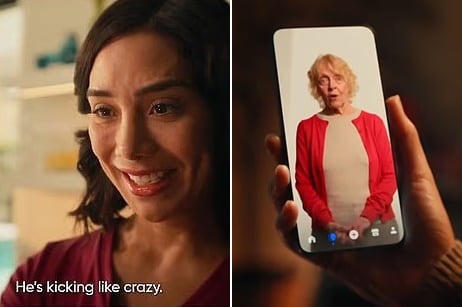
A groundbreaking app that enables users to bring back deceased loved ones as AI avatars for conversation has ignited a heated debate across social media platforms. The app, developed by a U.S.-based AI startup called 2Wai, is now at the center of ethical and emotional discussions.
According to a recent report, Calum Wash, co-founder of 2Wai and also an actor, shared a promotional video on X (formerly Twitter) with the caption, “What if the loved ones we lost could be with us in the future?” The video showcases a pregnant woman using the 2Wai app to interact with an AI-generated avatar of her late mother. As time moves forward, the woman, now holding her child, continues to engage with her mother’s digital representation. The grandmother, portrayed through the AI, tells bedtime stories to her grandson, who grows into a young boy and later an adult, maintaining communication throughout his life.
The video concludes with a scene where the woman records her mother’s image briefly to create a digital avatar. The accompanying text reads, “With 2Wai, 3 minutes can last forever.”
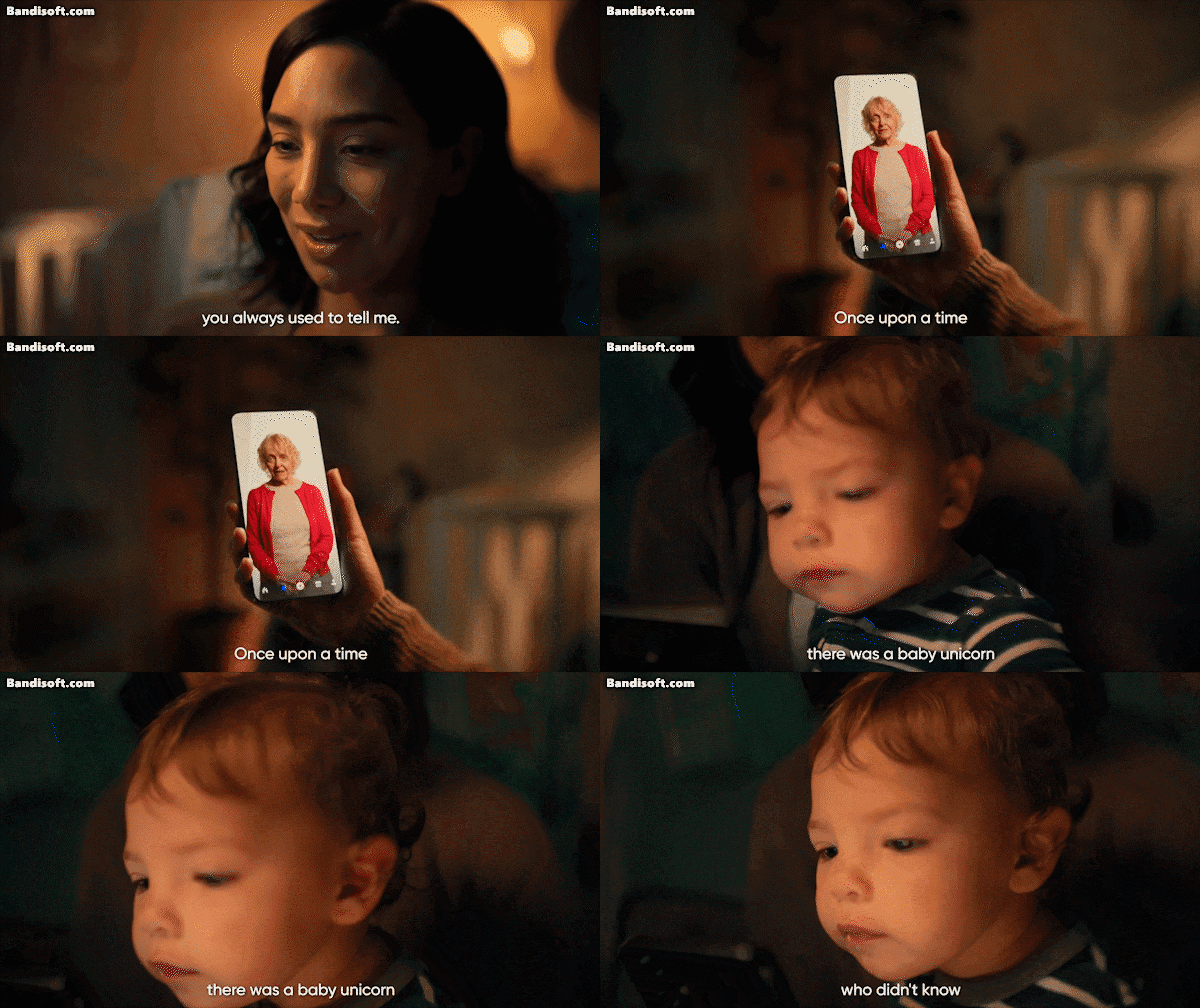
2Wai functions by generating AI avatars based on 3-minute videos. These avatars are designed to mimic a person’s appearance and engage in conversations like a chatbot. The process involves capturing facial expressions, tone of voice, and other unique characteristics to create a realistic digital replica.
Following the release of the video, the app faced a wave of negative reactions online. Many critics argued that recreating the deceased as chatbots raises serious ethical concerns. Online comments included phrases such as “The most evil idea imaginable,” “An inhumane concept,” and “It’s horrifying to exploit someone’s grief for profit.”
Some users raised questions about the technical feasibility of the app. They pointed out the lack of clarity on how the app could accurately replicate a deceased person's personality and traits from just a short video. Additionally, there were concerns about the implications of “resurrecting” the dead indefinitely, including potential psychological impacts on users.
Despite the backlash, some individuals expressed positive sentiments. One netizen commented, “It could be another way to mourn and remember the deceased.” This perspective highlights the complex emotional landscape surrounding the use of AI technology in dealing with loss and grief.
The controversy surrounding 2Wai underscores the broader conversation about the role of artificial intelligence in personal and emotional experiences. As technology continues to evolve, society must grapple with the ethical, psychological, and philosophical implications of such innovations. The debate over whether AI should be used to recreate the past or if it should remain a tool for the living is likely to persist, shaping the future of how we interact with technology and memory.


Comments
Post a Comment