AI Bubble Burst Sparks Academic Innovation, Study Finds
The Potential Shift of AI Talents to Academia
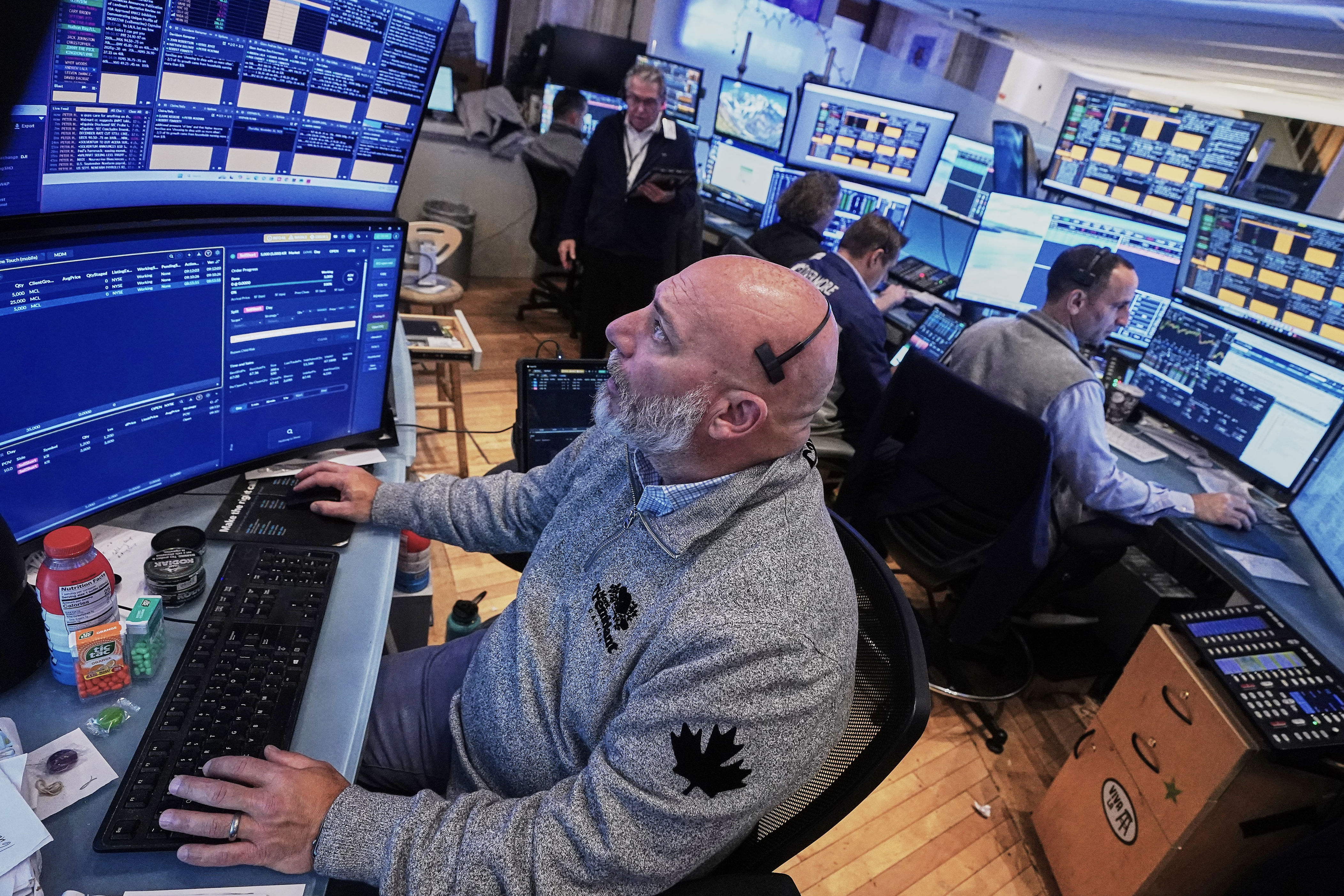
A recent discussion in the international academic journal Nature suggests that when the AI bubble eventually bursts, many AI professionals might transition from the industry to the scientific community. This shift could lead to groundbreaking research and innovation in academia. While the collapse of the AI bubble may result in significant job losses within the industry, it is argued that these individuals could later contribute to producing high-quality research outcomes.
Continued Discussions on the AI Bubble
Economists are closely examining the current rise of AI, considering it an unprecedented event in history. The investment funds currently concentrated in the AI sector amount to 17 times the investments poured into internet companies just before the dot-com bubble burst in the early 2000s. For instance, Nvidia, an AI company with a market capitalization of 4.6 trillion dollars, is larger than the economic size of all countries except the United States, China, and Germany.
Despite this growth, many companies believe AI has not yet contributed to tangible profit improvements. According to a McKinsey report, approximately 80% of companies that have adopted AI responded that it has had “no significant impact on profits.” Even OpenAI CEO Sam Altman recently stated that parts of the industry are “quite frothy right now.” This has led some analysts to forecast that the AI industry could soon face a collapse.
Research Continues Even After the Bubble Bursts
On the other hand, some forecasts suggest that new scientific innovations could emerge after the AI bubble deflates. John Turner, an economist at Queen’s University Belfast, noted that even after the dot-com bubble collapsed, the number of papers in electronic engineering, computer engineering, and science fields actually increased. He emphasized that the spread of internet and mobile technologies did not halt.
Scholars believe a similar situation could occur if the AI bubble collapses. Brent Goldfarb, an economist at the University of Maryland, stated that if the AI bubble collapses, large-scale layoffs will likely occur in AI startups or new companies, and only major corporations like Google, Nvidia, and OpenAI may survive. However, he added that in the long term, AI talent could move to other domains and spark new technological innovations.
Professor Turner also highlighted historical examples, such as the collapse of the British bicycle market in 1896, where bicycle technicians who lost their jobs developed the motorcycle, automobile, and aviation industries. Similarly, after the dot-com bubble burst, the internet spread even faster.
Talents from Corporations to Present ‘More Beneficial Technologies’
David Kirsch, a historian of technology at the University of Maryland, shared a similar opinion. He suggested that if talents who lose their jobs in the industry due to an AI collapse return to academia, they could create technologies that are far more beneficial to society. For example, this could lead to tools like DeepMind’s AI software ‘AlphaFold,’ which helped solve the 50-year-old protein structure prediction problem.
Nature also noted that such movements have already begun. For instance, this year, top AI researchers from OpenAI, Meta, and Google left their companies to found the materials science startup ‘Periodic Labs.’ The company’s slogan is, “Our goal is to create an AI scientist.” It aims to develop AI systems for experiments and simulations that can be immediately utilized by university labs, national research institutes, and hospitals.
Yann LeCun, Meta’s former chief AI scientist, recently announced that he will leave the company later this year to establish a startup focused on advancing a new form of cutting-edge AI research. LeCun reportedly made this decision after Meta CEO Mark Zuckerberg pushed for the development of “AI superintelligence.” He is now pursuing the development of “world models” that benefit science, robotics, and society as a whole, rather than commercial large language models (LLMs). The goal is to create an AI brain that thinks and acts like a human, aiding in long-term decision-making.


Comments
Post a Comment