Artificial Lakes and 3D Guides: The Future of UK Tourism?
The Future of Tourism in the UK: A Technological Revolution
Artificial lakes and 3D tour guides may sound like elements from a science fiction film, but they could soon become staples of the UK’s tourism landscape. By 2050, rural towns and villages across the country are expected to emerge as highly sought-after destinations, driven by technological advancements.
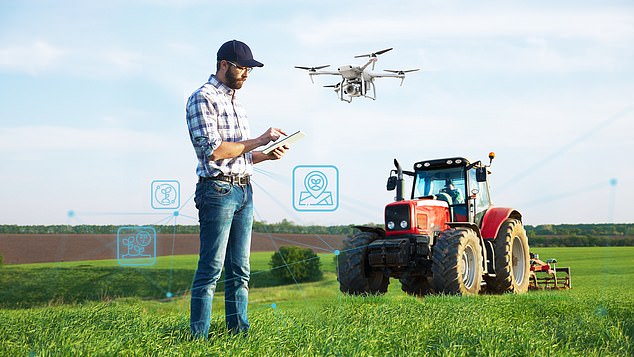
The Future of Rural report predicts that rural tourism will undergo a complete transformation over the next 25 years, thanks to full fibre broadband and other innovations. This shift is anticipated to bring about a surge in demand for countryside escapes, leading to significant investments in infrastructure and amenities.
One of the most exciting developments could be the creation of artificial lakes and inland beaches. These features could provide new recreational opportunities and attract visitors looking for unique experiences.
In addition, technology is expected to evolve to the point where real-time AI translation systems will help travelers overcome language barriers. This advancement could make it easier for international tourists to explore the UK and fully engage with its cultural and natural attractions.
Shifts in Travel Trends
As the UK's rural areas become more appealing, many visitors may choose to stay outside of London, opting instead for scenic countryside locations. This trend aligns with the growing interest in sustainable tourism, which is likely to gain momentum in the coming years.
Gill Haigh, managing director of Cumbria Tourism, emphasized the impact of climate change on travel choices. She noted that people are increasingly seeking destinations that offer cooler climates, particularly during the summer months. To meet this demand, Cumbria and other rural areas must enhance their tourism offerings and improve digital connectivity.
Tom Cheesewright, the report's author, highlighted how the UK's rural and coastal regions will capitalize on emerging technologies to become top tourist destinations by 2050. He pointed out that this transformation will create opportunities for both large and small businesses, including food producers, tour operators, and experience venues.

Economic Growth and Innovation
Dominic Kearns, CEO and co-founder of Fibrus, who commissioned the report, stated that today's rural communities are not in decline but are thriving. He believes that high-quality connectivity can drive real transformation in these areas. By addressing gaps in infrastructure and digital inclusion, rural tourism can become a major force in the UK economy and a leader in technological innovation.
This vision of the future includes not only advanced digital tools but also new forms of transportation. Recent predictions suggest that AI-powered corridors and air taxis could revolutionize how tourists move between airports and hotels.

Emerging Destinations and Travel Preferences
The changes in the UK's tourism landscape are expected to result in a multi-billion-pound boost to the industry. As travelers seek new experiences, breathtaking hotspots across the country are likely to attract Brits for globe-trotting adventures.
According to recent data, 71% of UK travelers are choosing serene mountain escapes over traditional beach holidays in 2026. This shift reflects a growing desire for nature-based experiences and a deeper connection with the environment.
Chester, known as the UK’s friendliest city, is also gaining recognition as a global travel contender. Its enchanting features, including historic architecture and vibrant culture, make it an attractive destination for travelers in 2025.
As the UK embraces technological advancements and sustainable practices, its rural areas are set to become key players in the global tourism market. The future of travel in the UK looks promising, with innovation and natural beauty combining to create unforgettable experiences for visitors.


Comments
Post a Comment