Baltimore Bridge Collapse Triggered by Faulty Wire
Investigation into the Collapse of the Francis Scott Key Bridge
A tragic incident occurred in 2024 when the Francis Scott Key Bridge collapsed, resulting in the loss of six construction workers. The event was triggered by a container ship that lost control and collided with the bridge. US investigators have now concluded their probe into the incident, revealing critical findings about the cause of the disaster.
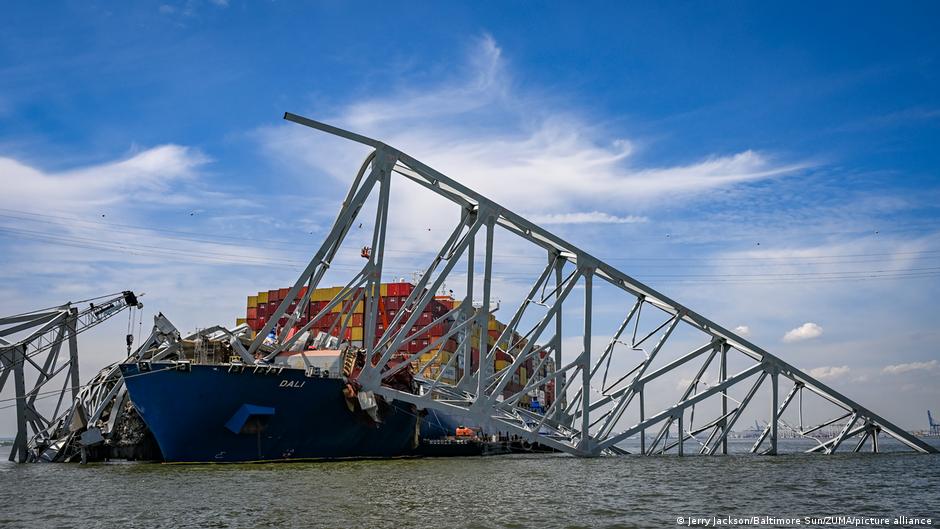
The National Transportation Safety Board (NTSB) conducted a thorough investigation into the collapse. Their report identified the probable cause of the accident as an electrical failure on the container ship. This failure led to the ship losing power and subsequently veering off course, ultimately colliding with the bridge. The NTSB highlighted that the electrical issue was traced back to a loose signal wire connection, which played a significant role in the malfunction.
Key Findings from the NTSB Report
- Electrical Failure: The primary cause of the incident was determined to be an electrical failure on the container ship. This failure resulted in the ship losing its ability to maneuver properly.
- Loose Signal Wire Connection: The NTSB found that a loose signal wire connection was responsible for the electrical problem. This connection is crucial for the proper functioning of the ship's systems.
- Loss of Control: Due to the electrical failure, the ship lost control and drifted off course, leading to the collision with the bridge.
Impact of the Incident
The collapse of the Francis Scott Key Bridge had far-reaching consequences. Not only did it result in the tragic loss of life, but it also disrupted transportation and caused significant economic damage. The bridge was a vital link in the region, and its destruction affected both local and regional traffic.
The incident has prompted discussions about the safety measures in place for maritime operations. Experts are now calling for stricter regulations and improved maintenance protocols for ships to prevent similar incidents in the future.
Ongoing Investigations and Future Steps
While the NTSB has provided a detailed report on the cause of the accident, further investigations are ongoing. Additional information may emerge as more data is analyzed and reviewed. The findings from this investigation could lead to changes in maritime safety standards and practices.
In addition to the technical aspects of the incident, there is a growing emphasis on the importance of training and preparedness for ship operators. Ensuring that crews are well-trained and equipped to handle unexpected situations can help prevent such disasters.
Conclusion
The collapse of the Francis Scott Key Bridge serves as a stark reminder of the potential dangers associated with maritime operations. The NTSB's findings highlight the critical role that electrical systems play in the safe operation of ships. As the investigation continues, it is essential to learn from this tragedy and implement necessary changes to enhance safety and prevent future incidents.
The lessons learned from this event will undoubtedly influence future policies and practices in the maritime industry. By addressing the root causes of such accidents, stakeholders can work towards creating a safer environment for all involved.


Comments
Post a Comment