Beyond instant noodles: What flood victims truly need now
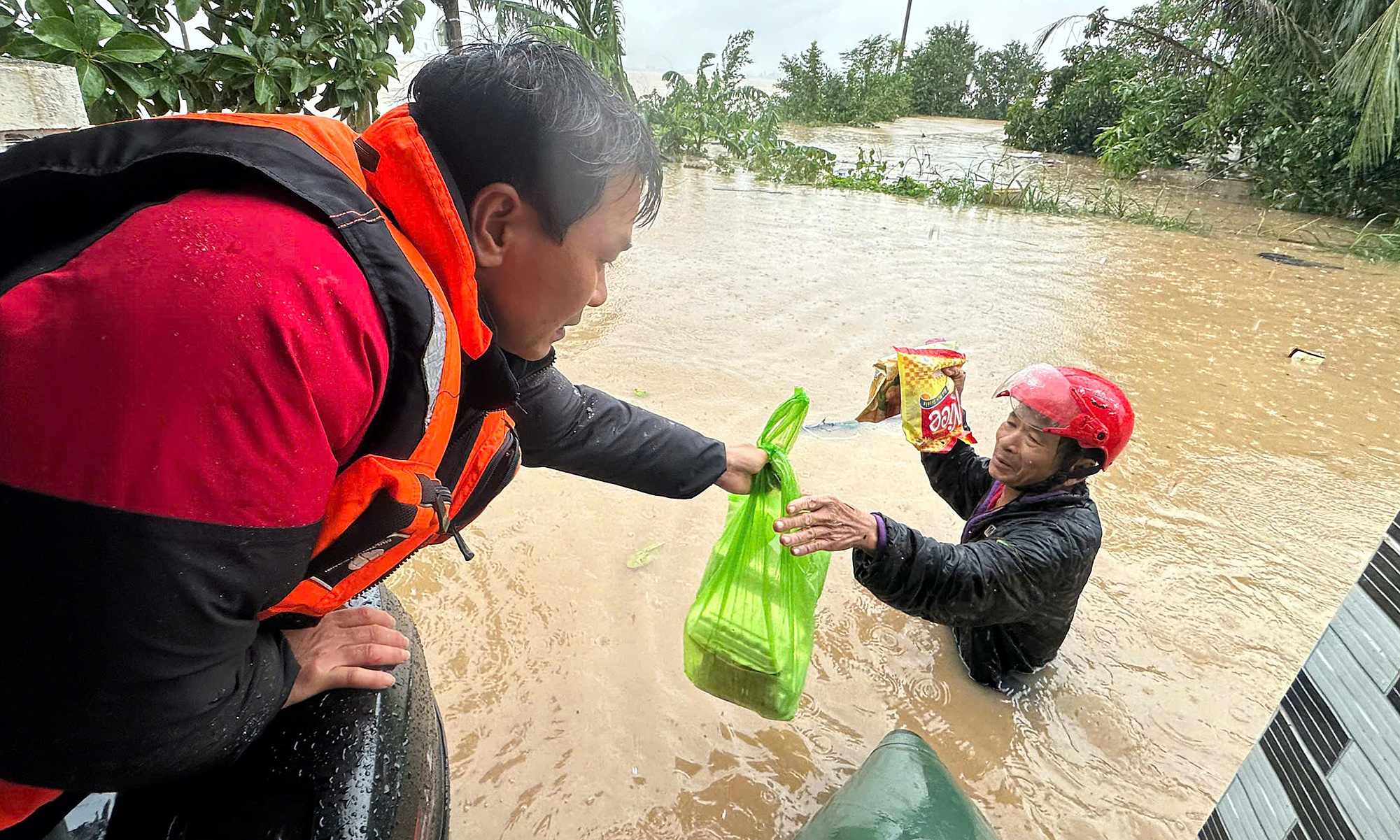
As the floodwaters begin to recede, the needs of affected communities are shifting from immediate sustenance to essential items that support long-term recovery and dignity. While food remains a priority, there is a growing recognition that other supplies—such as gas stoves, dry clothing, medicines, and hygiene products—are equally vital in preventing disease and restoring normalcy.
In Hanoi, Thanh Ly, a 40-year-old woman, took it upon herself to address this need. When she heard about a relief truck heading to Phu Yen, she gathered warm clothes with her friends and carefully sorted them by age and gender. Rather than purchasing common relief items like instant noodles or bottled water, she spent VND5 million (US$200) on sanitary pads and 100 pairs of underwear. Her decision was met with resistance from her husband, who questioned whether people in such dire circumstances would care about “private matters.” He also worried that sending such items could lead to criticism or even reluctance from charity groups to accept them. Despite these concerns, Ly pressed forward, driven by her own experience of being stranded in floodwaters with no belongings and no access to basic necessities.
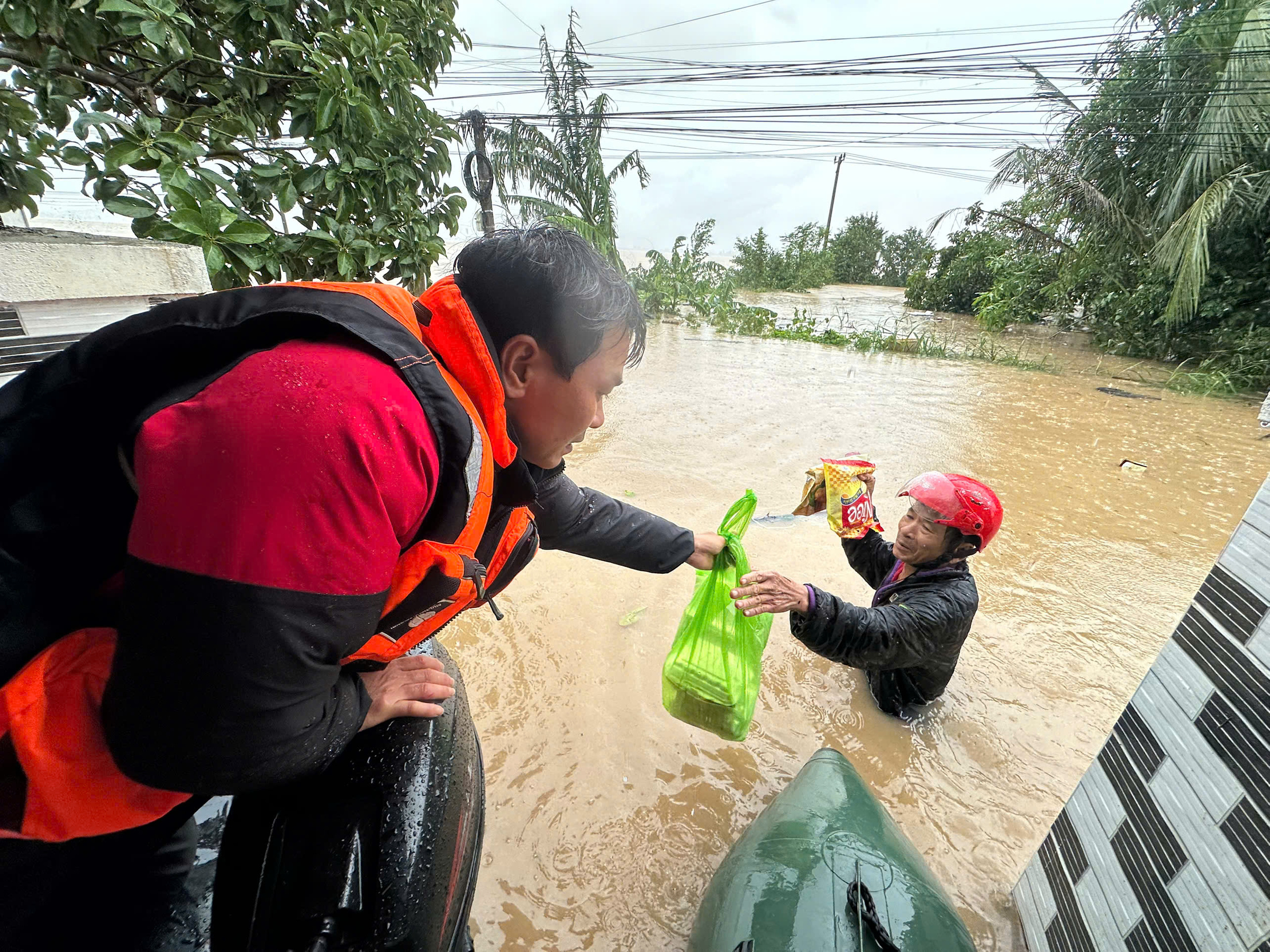
A resident in Tuy Hoa Ward, Dak Lak Province, wades through floodwaters to collect aid supplies from volunteer groups on the afternoon of Nov. 21, 2025. Photo by Luong Vinh Long Nhat
Ly understood that for women, the absence of menstrual supplies can be a source of immense hardship. After purchasing the items, she packed them in separate zip bags and labeled the sizes so that recipients could use them immediately. “Food fills the stomach, but hygiene products help them keep their dignity and health,” she said.
This sentiment resonates with Hoang Thu, head of a volunteer group in Thanh Tri District, Hanoi. Her team, after three days of fundraising, prioritized packing boxes of sanitary pads, underwear, diapers, and soap alongside 25 tons of rice and warm clothing. Thu, drawing from years of disaster relief experience, emphasized that in flooded areas where trade has halted, people have no way to replace these essential items. She stressed that personal hygiene products are just as important as food in helping communities avoid disease and rebuild their lives.
In Dong Hoa Ward, Dak Lak, Nguyen Hieu is hoping that future relief packages will include personal hygiene supplies. She and her children have been in wet clothes for days, and she fears they could develop pneumonia as the weather cools. The mother of three admits she needs diapers for her children and sanitary pads for herself, but has not dared to ask for them. “I’m embarrassed to ask for something so sensitive, and I’m afraid people will judge me for being demanding in the middle of a disaster. But honestly, these things are just as precious as instant noodles when you’re hungry.”
Van Chien, 45, of Hoa Thinh Commune, highlights another critical need: fuel and medicines. His entire hamlet is short on both, with all firewood soaked and making it impossible to cook. The polluted environment after the flood has increased the risk of skin fungus and pinkeye, as antiseptics and fever medicines become scarce. “We hope to receive exactly what we need so nothing is wasted and life can return to normal soon,” he said.
In recent days, thousands of trucks filled with relief goods have poured into Dak Lak, Gia Lai, and Khanh Hoa provinces. Kitchens across the country have burned the midnight oil to make square sticky rice cakes accompanied by sesame-salt packets for the flood zones.
But to make the most of this generosity, relief efforts must be properly coordinated. Vo Thi Kim Oanh, standing deputy head of the Dak Lak Province Propaganda Department, says the supply of ready-to-eat foods such as instant noodles, bread, and bottled water is now basically sufficient. Based on the situation on the ground, she listed the items most needed now:
Cleaning and Utility Supplies:
- Large water containers (15 liters or more) to store clean water and wash away mud
- Flashlights and rechargeable lamps to provide light while power lines are down
Medical Supplies:
- Medicines for colds, headaches, digestive issues, skin infections, fungal diseases, and pinkeye
- Medicated oil and ointments
- Bandages and gauze
- Disinfectants like cloramin B to treat water sources and sanitize the environment
Personal Items:
- Warm clothing, blankets, and mosquito nets
- Underwear
- Sanitary pads for women
- Baby formula and diapers for children
Personal Hygiene Products:
- Toothbrushes and toothpaste
- Shampoo
- Body wash
- Soap
- Handwash or hand gel
- Wet wipes
- Face towels and bath towels
Fuel:
- Portable gas stoves and gas canisters so people can cook, boil drinking water, and ensure food safety
Ngo Anh Tuan, founder of the crowdfunding platform GiveNow, points out that relief work must be tailored to each phase of a disaster. When water levels are rising, people need instant food to survive, and once the water retreats, the focus shifts to rebuilding. “At that stage, cash assistance is the most effective way to give people the power to buy what they truly lack,” he said.
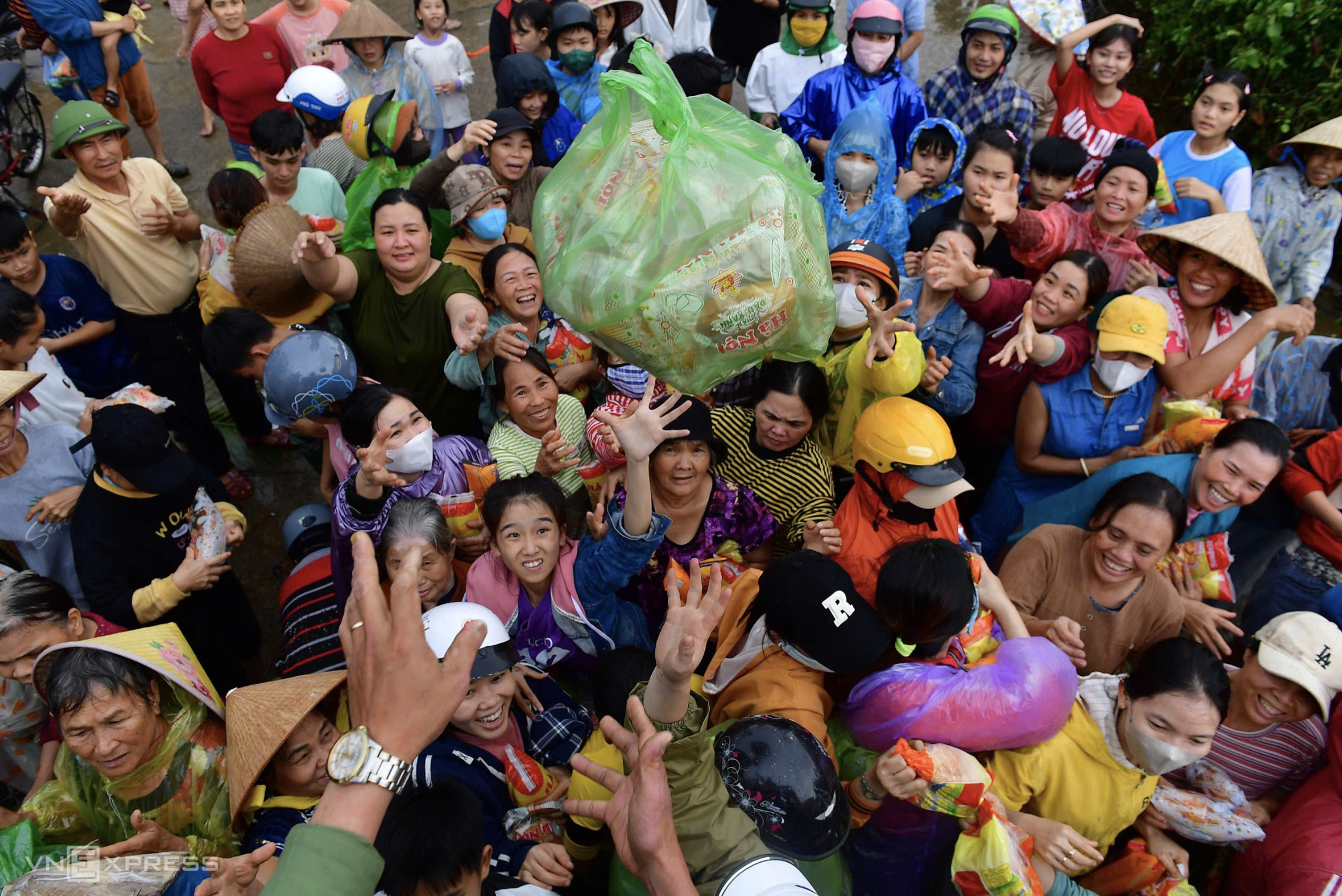
Thousands of residents in Hoa Thinh, the hardest-hit area of Dak Lak Province, queue up on the morning of Nov. 23, 2025 to receive food and essential goods brought in by volunteer groups and organizations. Photo by Thanh Tung
He calls on volunteer groups to coordinate closely with local authorities or the Red Cross to distribute resources fairly. Drawing lessons from multiple past disasters, Dam Quang Tuyen, vice chairman of the Thai Nguyen Provincial Fatherland Front Committee, says the post-flood phase should pivot to three urgent priorities: cleaning the environment, restoring infrastructure, and restarting production.
Other provinces should send manpower to help shovel out mud and clean homes to prevent outbreaks of diseases, he says. Next is funding to repair schools and clinics, and to replace damaged textbooks and medical equipment, he says. In the long run, to restore livelihoods, people need seeds, livestock, and access to low-interest credit, he says.
As for food, Tuyen suggests that charity groups should rethink the types of goods they send. With refrigerators and appliances destroyed and local markets still closed, families need long-lasting staples such as rice, cooking oil, fish sauce, and canned meat or fish, he says. “Instant noodles and ration bars have already arrived in great quantities. However, people can’t live on them forever. Right now, they need basic ingredients to cook a hot meal, regain their strength, and start rebuilding their homes.”


Comments
Post a Comment