Bio Computing: Brain Cells Drive Next-Gen Supercomputers
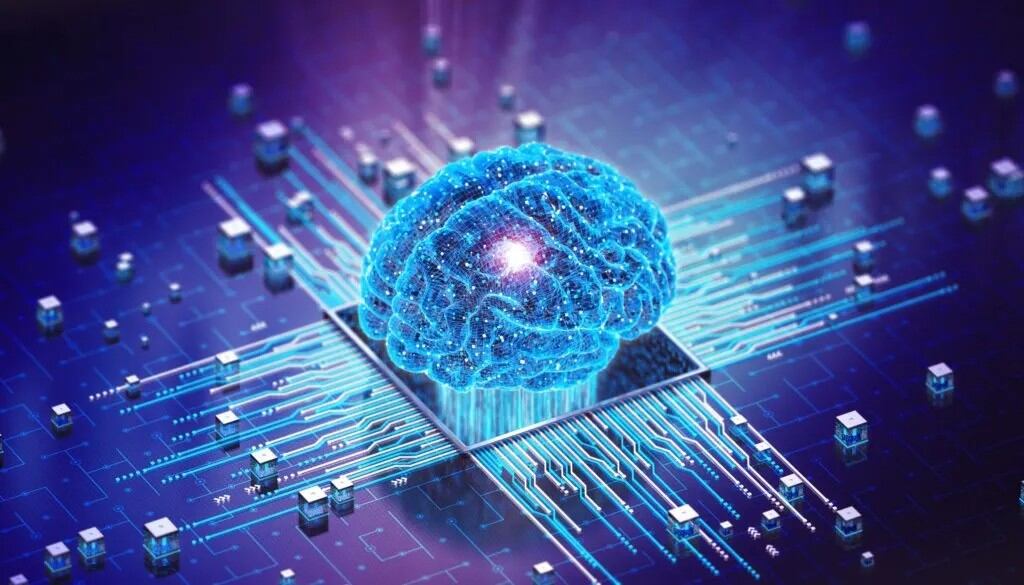
The Rise of Bio Computing: Human Brain Cells in Supercomputers
Researchers are exploring the potential of cultivating human brain cells in laboratories to transform them into biological circuits for supercomputers—a field known as “bio computing.” While this concept may sound like science fiction, small groups of researchers are making significant progress. The international journal Nature recently highlighted these scientists in a special feature, focusing on their efforts to create supercomputers using human brain cells.
FinalSpark: Pioneering Biological Processing Units
FinalSpark, a biotech startup based in Visp, Switzerland, is at the forefront of bio computing. The company is developing a “biological processing unit” based on neural organoids—artificial organs created by three-dimensionally culturing human stem cells.
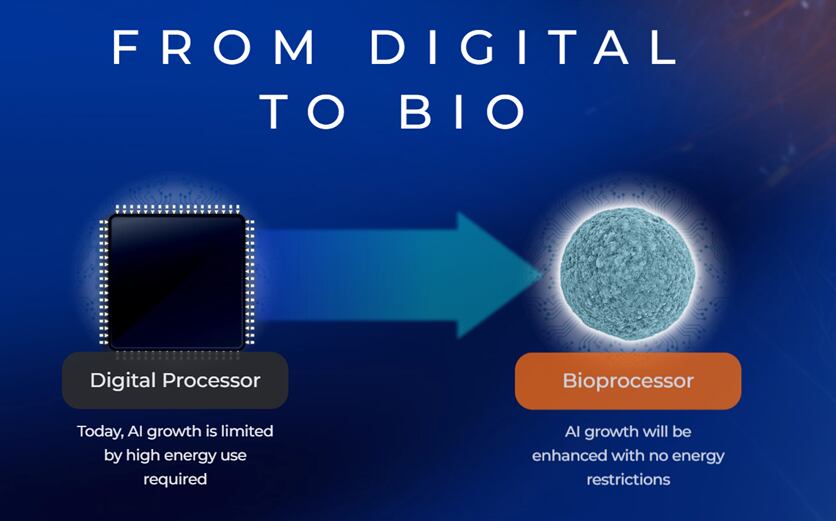
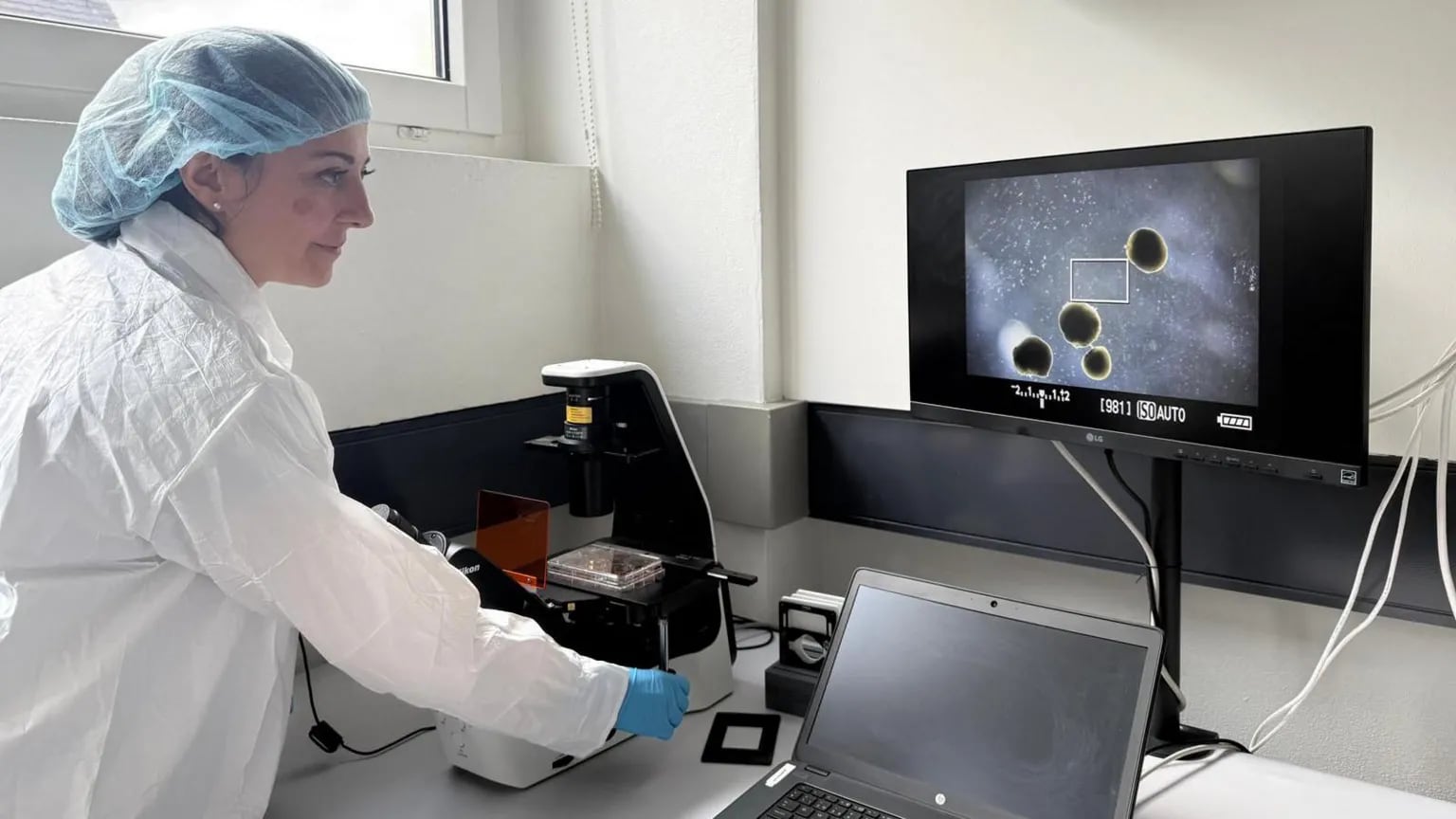
The company recently succeeded in connecting 16 mini-brain organoids to create a low-power biological computer. In simpler terms, they are experimenting with clusters of artificial neurons grown from human cells to function like a computer. Researchers send or receive electrical signals to the brain organoids, conducting “input→processing→output” experiments, similar to computer circuits. Real-time response graphs resembling brainwaves appear on computer screens, showing how the artificial brains exchange signals.
While the system is not yet advanced enough to be called “computing,” FinalSpark stated, “We have extended the organoids’ survival period to four months and are providing online access to researchers worldwide for experimentation.” The goal is to explore the potential of using neurons for next-generation AI or ultra-low-power computers.
Understanding Wetware: Life-Based Hardware
Those researching bio computing refer to computers as “wetware”—a term for “life-based hardware” composed of living tissue. It specifically refers to computers made from human brain cells.
While traditional computers rely on silicon chips and electronic circuits, wetware is an organic computer resembling a living brain. It stores and processes information through the exchange of signals between nerve cells, enabling it to adapt, learn, and rewire connections like the human brain.
The concept of wetware originated in science fiction but has since been adopted by scientists to describe the computational capabilities of living organisms.
Applications of Wetware
Wetware is already being applied in fields like brain-computer interfaces (BCI), such as controlling robotic arms with brain signals or restoring sensation in patients with nerve damage. While attempts to build full-scale supercomputers from lab-grown brain organoids are still in early stages, research continues globally.
For example, FinalSpark recently collaborated with the University of Bristol to test whether brain organoids could distinguish electrical stimulation patterns. The team attached a “tactile sensor” to a robotic finger to read braille letters. The braille data detected by the robot was converted into electrical signals, which were then transmitted to eight electrodes on the organoid’s surface. The neurons within the organoid responded, successfully distinguishing the braille. The neurons showed consistent patterns for specific braille signals. The research team noted, “Accuracy was around 61% with one organoid but rose to 83% when using three.” This experiment demonstrated that organoid neurons, albeit at a basic level, can process and differentiate information.
Expanding the Frontiers of Bio Computing
Professor Alison Muotri of the University of California, San Diego (UC San Diego), is also researching “AI computing using brain cells.” He recently created brain organoids from 250 clusters of artificial neurons. These organoids are being trained to predict the spread of oil spills in the Amazon rainforest by converting environmental data into electrical signals. This marks the first application of bio computing to industrial challenges. Muotri stated, “It’s still in the testing phase, but we aim to share results within three years.”
Australian startup Cortical Labs is repeatedly experimenting with placing brain organoids grown from human stem cells on semiconductor chips to create computers that respond like the human brain. In 2022, they successfully trained brain cells to play the computer game Pong, and this year, they unveiled CL1, the world’s first commercial biological computer. While it cannot yet perform complex calculations like a traditional computer, the company plans to continue advancing the technology. Researchers and businesses can also access the device online.
Hybrid Devices: Combining Neurons and Semiconductors
U.S. bio computing startup Koniku Kore is developing hybrid devices that combine artificial neurons with semiconductors. The neurons act as sensors on the chips, detecting smells or specific chemicals. This technology can identify explosives, drugs, or diseases like cancer. However, it is currently closer to a “smell-detecting chip” than a supercomputer.


Comments
Post a Comment