Childhood Memory Inspires Film on Unsafe Abortions
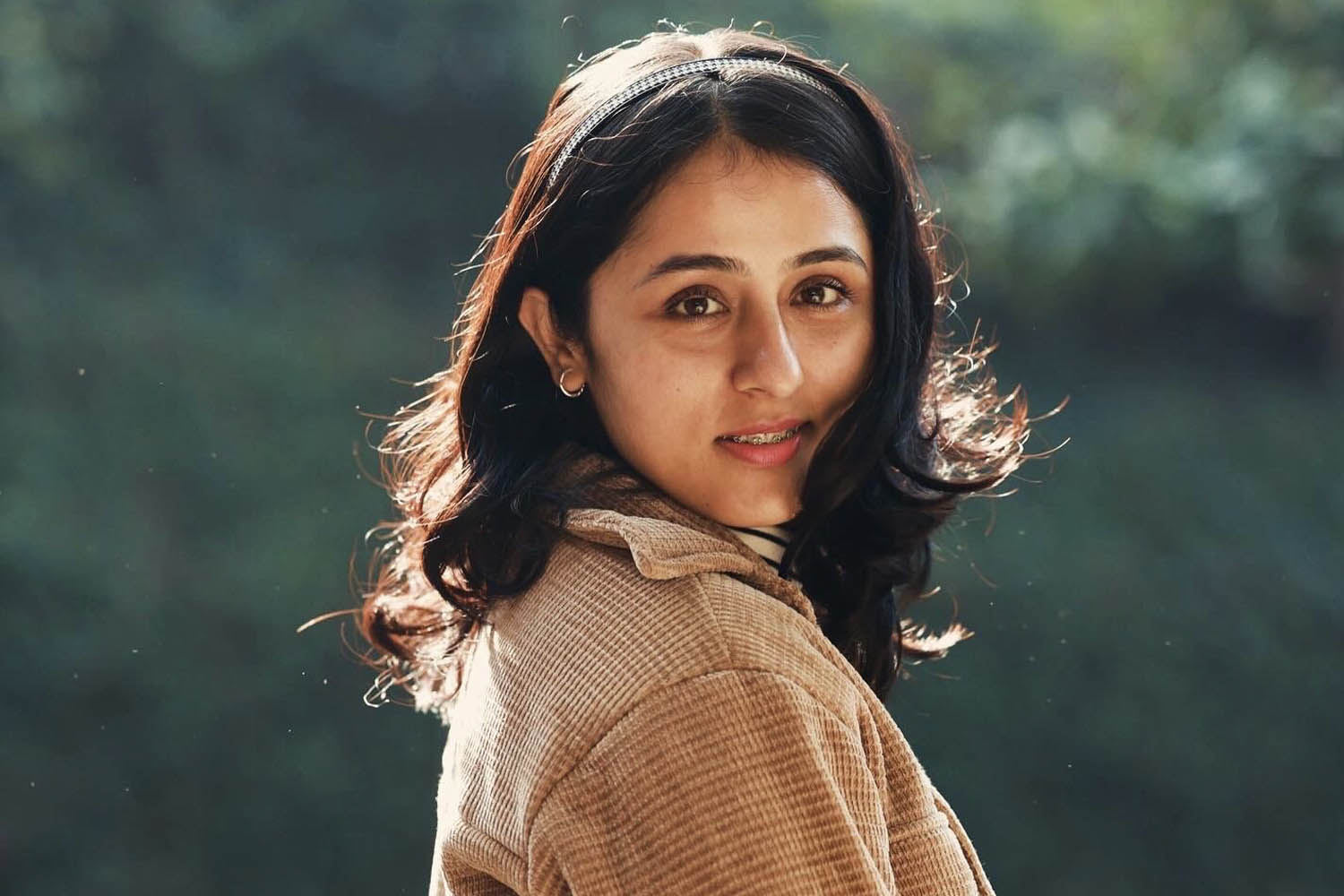
A Journey of Passion and Purpose
Kathmandu, Nov. 24 — Nine films by Nepali students were selected for screening at the 14th European Union Film Festival in Nepal (EUFF). The EUFF had received more than 50 submissions, and out of the nine short films screened, the jury awarded Patrika Ghimire's 'What Grows in Thari Maila's Vegetable Garden?' as the best student film. The jury praised the film, stating that "this is a film that has chilled our hearts and provoked our minds."
In an interview with the Post's Britta Gfeller, Ghimire reflects on her dreams and struggles as a young Nepali filmmaker.
A Dream Come True
Congratulations on your award and your moving drama, 'What Grows in Thari Maila's Vegetable Garden?'. How did you feel when you were announced as the winner?
Other filmmakers were teasing me before, they said, 'you'll get it, you'll get it'. I thought they were just making fun of me. When my name was announced, I was like-Oh my god, it's really happening. I was not expecting it, but we all have hopes, right? It's a dream come true.
Choosing the Path of Filmmaking
You just graduated from film school, and this is your first short movie. Why did you decide to be a filmmaker?
I grew up with my grandparents in a very secluded village. There were few houses nearby, and not many children to play with. So I started reading stories at a young age.
When my father brought me to Kathmandu when I was 10, I couldn't cope with the new surroundings and didn't have many friends at my new school. That's when I started to watch movies. They were my best friends. Later, I learned that there was so much going on behind the scenes. It's not only what we watch on the screen, but also beyond that. This attracted me, and I decided to be a filmmaker.
Tackling a Dark Topic
Your film deals with a dark topic—unsafe abortions in rural areas. How did you come up with the story?
I wrote it as a short story in 12th grade. My teacher told me that I shouldn't write such stories at my age, so I put them aside. But when I had to do a student project during my graduation, I thought, "Why am I abandoning the story I truly want to tell?" So I made it into a full-fledged script.
Do you remember what inspired you to write the story in 12th grade?
While growing up with my grandparents, a 17-year-old girl died in the village due to an unsafe abortion. I witnessed it during my childhood. It traumatised me, and has stayed with me ever since.
It's a harsh reality in villages, where people can't go to hospitals for abortions—especially young, unmarried girls. Many hospitals hesitate to do abortions for unmarried women. People blame the women, not the circumstances. So they often have to get an abortion in hidden and unsafe ways. And some lose their life in the process.
Intentions Behind the Film
What were your intentions when making this movie?
I wanted people to relate to the protagonist's feelings and emotions. I wasn't making this film to change people's minds on abortion, because I can't do that. But people should know that such things are happening worldwide, including in our country.
I want people to keep this story in mind after the movie ends and to discuss it with others—that's why I left many details to the audience's interpretation. Through discussions, other perceptions or other ideas might evolve.
Challenges Faced
What was the most difficult part when working on the film?
Funding was one of the biggest issues. I financed practically the whole film myself, with my savings. Where I studied, there was no proper equipment for us to use, like cameras or lighting. So I had to borrow everything.
We were a team of ten people, including cast and crew. Transportation costs were also an issue. That's why I scouted a location that's not too far from Kathmandu. The people there were so friendly—an aunt from the village and some children acted in the film. And the people at the homestay we were staying at gave us a big discount.
I invited the villagers to watch the movie. They want to see it, but they couldn't make it to the festival. So, I'm thinking of doing a private screening there.
Taking on Multiple Roles
You were not only the director and producer of the film, but also the lead actress. Why?
I asked another actress first, but she had scheduling problems and asked for money I couldn't afford. I was getting late for my project. And I thought, why should I not do it myself? When I watched movies as a child, I always dreamed of being on the screen. Later, a few friends teased me, saying I wasn't pretty enough.
But you don't have to be pretty to be an actress, right? So, I decided to do it myself because I knew what the script and the character demanded. I had been into the skin of the character.
Future Plans and Vision
What are your plans for the future as a filmmaker?
I think I'll primarily make films for Nepali audiences. But I hope that my movies will also reach international viewers.
Why do you primarily want to make films for Nepali audiences?
There are many people making films for Hollywood or Bollywood. But few people understand the local audience's taste. There are so many stories rooted in Nepal that haven't been brought to the forefront. And if everybody leaves for Hollywood or Bollywood, then who will work here, create here?
I'm very connected to the remote place where I was born. And there are so many people there who haven't seen a movie in their lives. I want them to see my films.


Comments
Post a Comment