China Suspends Japanese Seafood Imports, Says Source
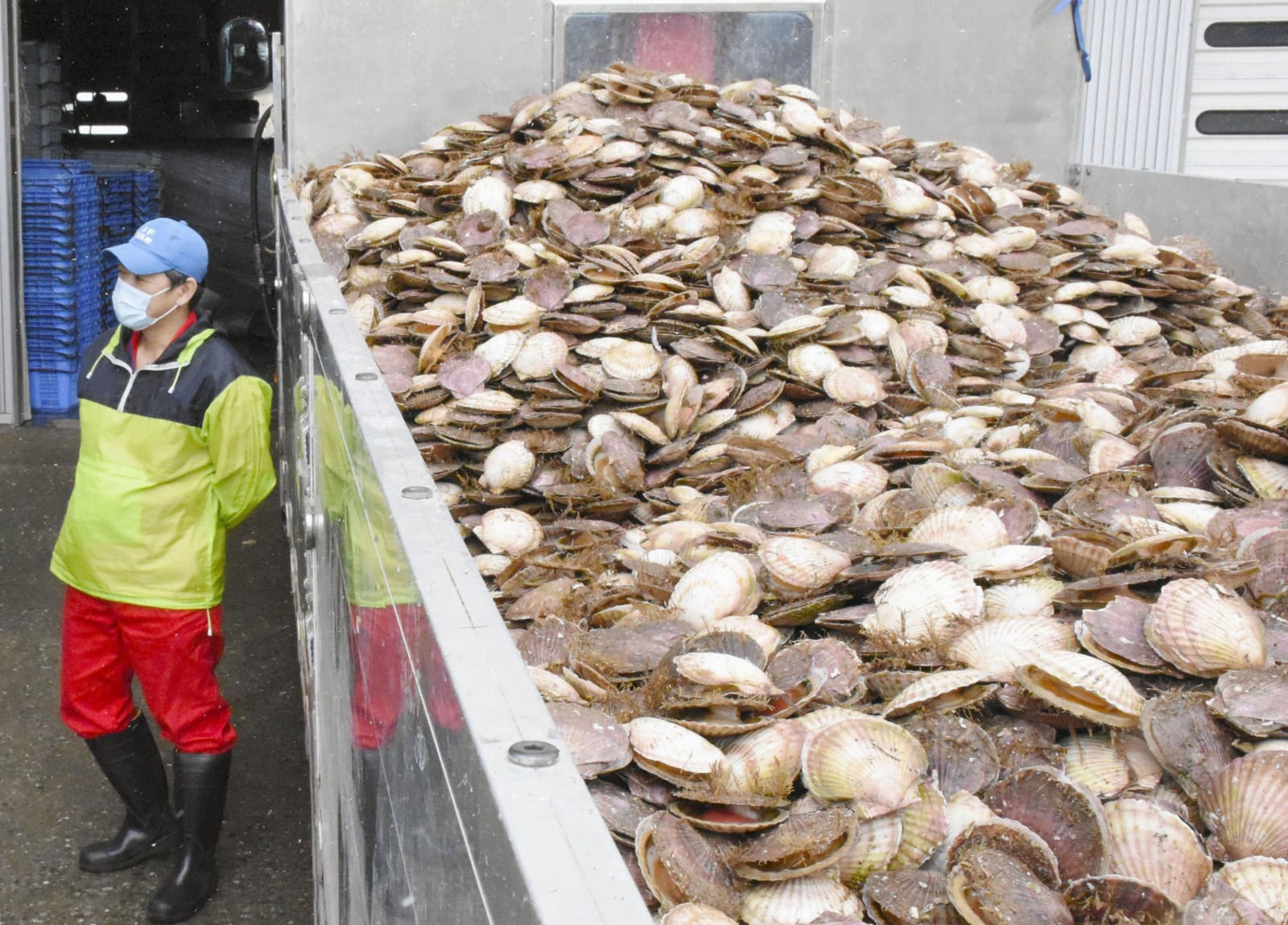
Escalating Tensions Between Japan and China Over Seafood Imports
Japan has faced a sudden re-imposition of its seafood import restrictions by China, marking a significant shift in the bilateral relationship. The decision comes amid growing diplomatic tensions between the two nations, particularly following remarks made by Japanese Prime Minister Sanae Takaichi regarding Taiwan. This development has raised concerns over the stability of trade relations and the broader implications for regional cooperation.
China cited the need to monitor the treated radioactive water released from the Fukushima nuclear power plant as a reason for reinstating the import suspension. Earlier this month, China had lifted a blanket ban on Japanese seafood imports, which had been in place since August 2023. However, this recent move signals a return to stricter controls, complicating the already delicate situation.
Diplomatic Strain and Political Reactions
The current tension is further exacerbated by Takaichi's comments during a parliamentary session on November 7, where she suggested that a military attack on Taiwan could pose a "survival-threatening situation" for Japan. This statement led to strong reactions from Beijing, with Chinese officials expressing concern over what they perceive as provocative rhetoric.
In response, Japanese Chief Cabinet Secretary Minoru Kihara denied receiving any formal notification from China about the new restrictions. He emphasized that the Japanese government remains committed to urging China to facilitate the smooth export of Japanese seafood. Meanwhile, Chinese Foreign Ministry spokeswoman Mao Ning stated that Japan has yet to provide the necessary technical materials to ensure the safety and quality of its seafood products, which are essential prerequisites for market entry.
Mao also highlighted the public outrage in China caused by Takaichi's remarks, suggesting that even if Japanese seafood were allowed into the market, there would be no demand due to the current circumstances.
Impact on Trade and Industry
The ongoing dispute has extended beyond seafood imports, affecting other sectors such as beef trade. Talks to restart China's beef imports from Japan, which were halted after the mad cow disease outbreak in 2001, have been canceled by China, according to Japanese government sources. This adds another layer of complexity to the already strained relationship.
Recent discussions between senior foreign ministry officials from both countries in Beijing failed to resolve the issue, with Tokyo refusing to retract Takaichi's statements. This impasse has led to broader impacts on tourism, education, and entertainment sectors. Chinese citizens have been advised to avoid traveling to Japan and reconsider studying there, while releases of Japanese movies in China have been postponed.
Effects on Local Businesses
Local businesses in Shanghai, particularly those serving Japanese cuisine, have felt the brunt of these developments. Ryo Katsuyama, owner of a restaurant specializing in Kyushu region food, expressed disappointment over the halt in seafood imports. He noted that customers who previously enjoyed Japanese fish are not satisfied with alternatives like Spanish seafood.
Takashi Ito, manager of another Japanese restaurant, reported a 10 percent drop in Chinese customers due to the diplomatic row. He emphasized the role of restaurants in promoting Japanese food culture and urged Japanese politicians to consider the impact on Japanese nationals in China.
Context and Broader Implications
The recent tensions come shortly after Takaichi met with Chinese President Xi Jinping on October 31, where they reaffirmed their commitment to a "strategic and mutually beneficial relationship." During the meeting, Takaichi stressed the importance of peace and stability across the Taiwan Strait for the international community.
China and Taiwan have been governed separately since 1949, with Beijing asserting its claim over Taiwan as an internal affair. The seafood ban was initially implemented to protest the release of water from the Fukushima Daiichi nuclear power plant. However, the two countries had agreed to a gradual resumption of seafood imports in June, reflecting efforts to stabilize their relationship amid broader geopolitical challenges.
Despite these efforts, the lingering restrictions on marine products from certain Japanese prefectures remain in place, highlighting the ongoing sensitivity surrounding the Fukushima disaster. The situation underscores the complex interplay of political, economic, and environmental factors shaping the relationship between Japan and China.


Comments
Post a Comment