Chinese Carmakers Struggle with Overproduction and Profit Woes
Chinese Automakers Face Profitability Challenges Amid Oversupply and Intense Competition
The Chinese automobile industry is currently navigating a complex landscape marked by oversupply, fierce competition, and declining profitability. Recent analyses highlight the growing challenges faced by domestic automakers as they struggle to maintain sustainable business models in an increasingly saturated market.
Production Capacity Exceeds Domestic Demand
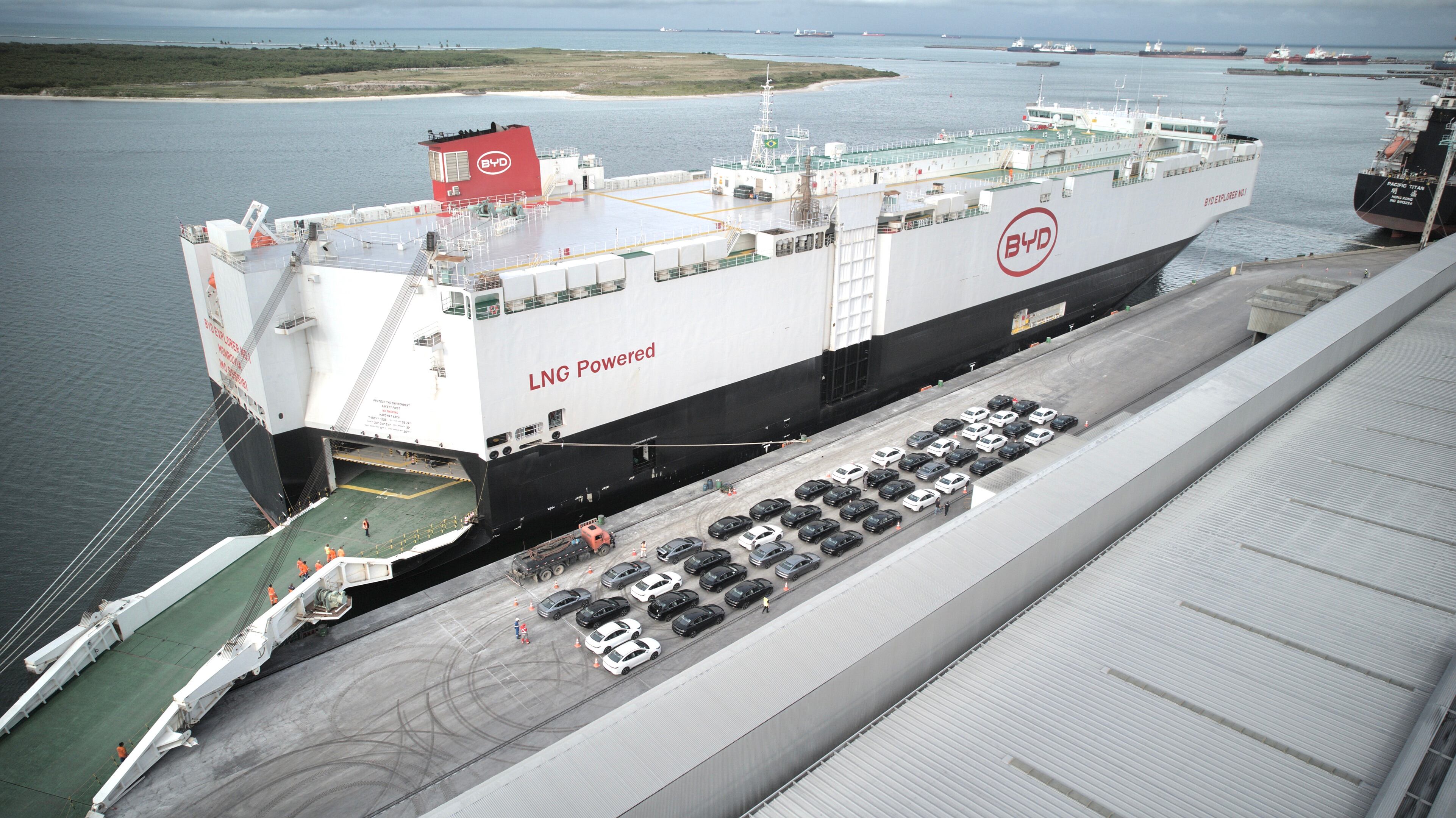
According to a report titled The Paradox of the Chinese Automobile Industry, Neijuan (Internal Competition) from the Korea Automotive Research Institute, China’s annual passenger vehicle production capacity reached approximately 55,070,000 units last year. This figure is more than double the size of the domestic market, which saw only 26,900,000 units sold. Even when factoring in exports, over 20,000,000 units of production facilities remained idle. The institute emphasized that while the National Bureau of Statistics of China reported an average industry operating rate of 72.2% for enterprises above a certain scale, the actual rate is estimated to be around 50% when including all registered manufacturers. An operating rate below 75% for an extended period is generally considered a sign of excess capacity.
Intensified Price Competition and Declining Margins
The imbalance between production capacity and domestic demand has led to intense price competition among automakers, significantly impacting their profitability. The average selling price of vehicles from major Chinese electric vehicle (EV) manufacturers fell to $24,000 last year, representing a 21% drop over three years. Additionally, the profit margin of the passenger vehicle industry declined from 8% in 2017 to 4.3% in 2024.
The Korea Automotive Research Institute noted that out of approximately 130 Chinese EV companies last year, only four—BYD, Tesla, Li Auto, and Geely—recorded profits. Most firms are struggling to survive commercially in the long term, with many facing significant financial pressure.
Government Shifts Focus Away from Subsidies
In response to these challenges, the Chinese government is also reevaluating its support for the EV industry. Previously, the sector received substantial subsidies and policy incentives. However, the government is now shifting its focus toward fostering a self-sustaining industry structure. Starting next year, the 15th Five-Year Plan will exclude EVs from the strategic industry list and announce the discontinuation of subsidy policies from next year.
This shift signals a move away from direct financial support and toward creating a more competitive and resilient market environment. While this could lead to long-term benefits, it also poses immediate challenges for smaller and less profitable automakers that have relied on government assistance to remain viable.
Outlook for the Future
As the Chinese automobile industry continues to grapple with oversupply and declining margins, the path forward remains uncertain. The transition to a more self-sustaining model may ultimately lead to greater efficiency and innovation, but it could also result in further consolidation within the sector. With only a handful of companies currently achieving profitability, the coming years will be critical for determining which automakers can adapt and thrive in this evolving landscape.


Comments
Post a Comment