Chinese Model Competition Scandal Draws Industry Attention
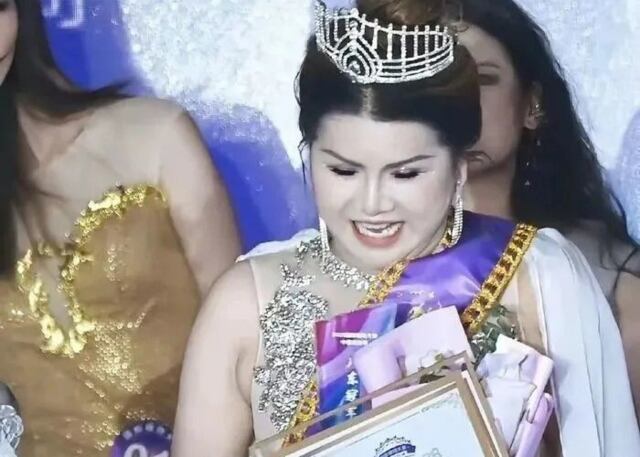
The Controversy Surrounding the International Model Competition Winner
A heated debate has emerged regarding the fairness of the winner's appearance at an international model competition held in China. The organizing committee described the incident as a “happening” caused by an employee’s mistake, but critics argue that it exposed the darker side of the beauty pageant industry, which has increasingly become a vehicle for profit.
According to local media, including The Paper, the “28th International Model Competition China Finals” took place in Shenzhen on the 16th, with contestant No. 15 being declared the winner of the women’s model category. However, this decision sparked immediate controversy.
Contestant No. 15 accepted the award certificate with an emotional expression, but Chinese social media quickly flooded with discussions about the “controversial model competition winner.” The incident became a real-time search topic, as many questioned why contestant No. 15, who appeared relatively older and had a fuller figure, was chosen. Her walk on stage was also seen as clumsy and awkward, raising doubts about the selection process.
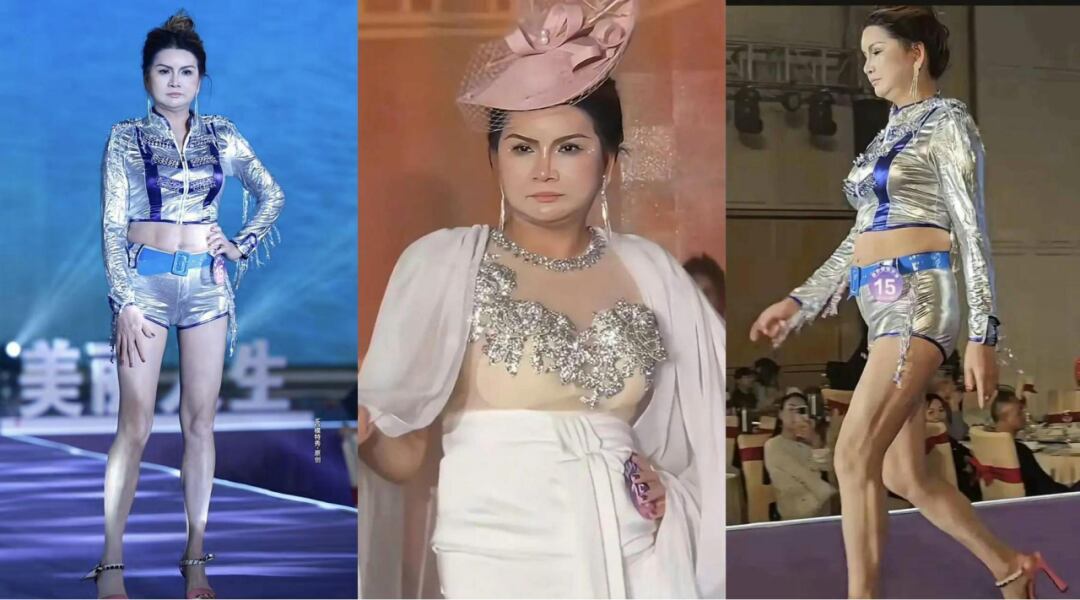
Netizens expressed their confusion, asking, “The model I imagined is so different. Have beauty standards changed, or is there a problem with the competition?” Others wondered, “How could she win?” Some even speculated that contestant No. 15 might have been a sponsor who funded the event. The controversy intensified when Li Fu-hong, a model who ranked third nationally at the 2016 International Supermodel Competition, stated, “I was invited as a judge but did not participate in any judging and did not even see the scorecards.”
In response, the organizing committee issued a statement on the 19th, clarifying that contestant No. 15 was the winner of the married group category. They also mentioned that the competition included children’s and male model groups. According to the committee, the actual winner of the women’s model group was contestant No. 37. They explained that the award certificate given at the time had no text, leading to a mistake where an employee incorrectly presented the trophy. The committee added that they had explained the situation to contestant No. 15, apologized, and sent her an additional married group winner certificate. They also denied rumors that contestant No. 15 funded the event, calling them “false and nonexistent.”
Despite the committee’s explanation, the controversy continues to gain momentum. Sina Finance, in an article titled “A Plus-Size Contestant Wins a Beauty Pageant: Is This Really Just a Simple Awarding Mistake?,” pointed out that the model competition incident revealed both the glamour and ugliness of the beauty pageant industry.
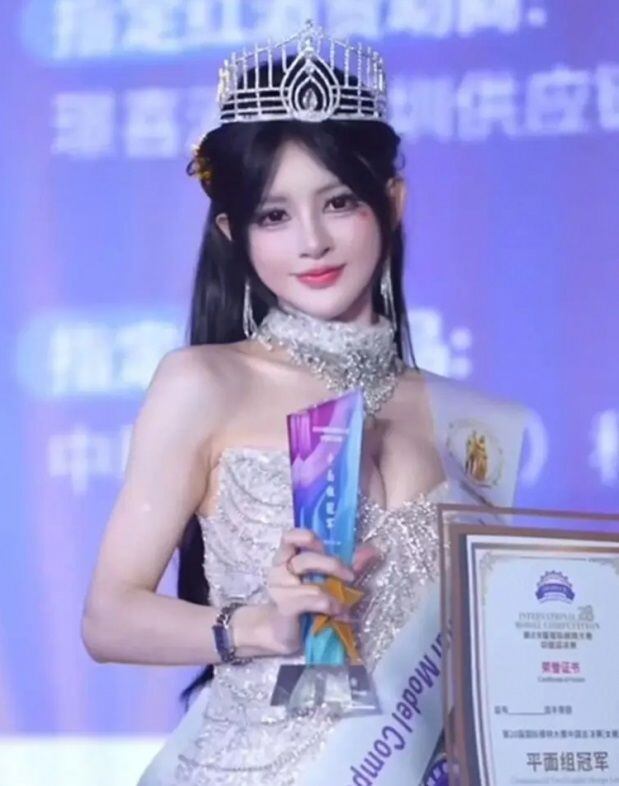
The media highlighted the growing number of beauty pageants in China, with over 100 events held annually. These events are often entangled with various interests. Traditional pageants like Miss Universe and Miss World organize events after paying a certain approval fee, then sell secondary approval rights to provincial, municipal, and county levels, collecting money at every tier.
Additionally, organizers of pseudo-pageants with names like the “Space Jewel Beauty Pageant” and the “Earth Tourism and Culture Beauty Pageant” are mostly shell companies registered in Southeast Asia. These organizations collect registration and education fees from contestants and sell winning spots at fixed prices.
The media concluded that beauty pageants have become a business filled with commercial calculations rather than a pure competition of beauty and talent. They emphasized that only by eliminating corruption, ensuring transparency, and restoring professionalism can beauty pageants earn genuine applause.


Comments
Post a Comment