Chris Bowen and 500 Aussie Delegates Fly to Brazil for Climate Talks—At Your Expense
Australia's Massive Delegation to COP30 Sparks Public Outcry
The Australian government has allocated significant taxpayer funds to send nearly 500 delegates to a global climate summit in Brazil, drawing criticism from media and public figures. This year’s event, known as COP30, is taking place in the city of Belém, and it has attracted representatives from 194 countries. Among them, Australia’s delegation ranks eighth globally, with 496 participants. This number exceeds that of the United Kingdom by more than double and places Australia behind only China and France among developed nations.
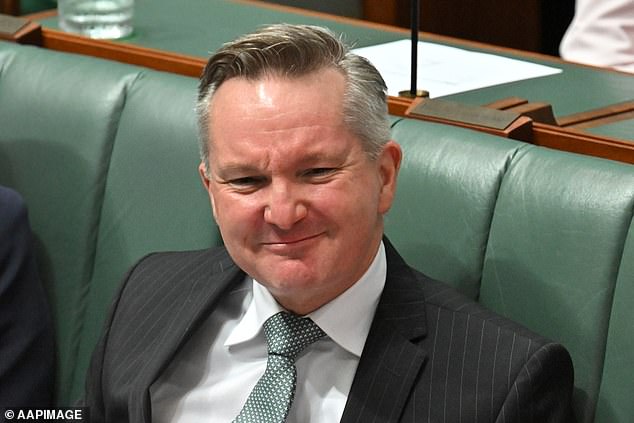
Federal Climate Change Minister Chris Bowen is among the attendees, highlighting the government’s commitment to the summit. However, this large-scale participation has not gone unnoticed. Sydney radio presenter Ben Fordham criticized the size of the delegation, emphasizing the environmental and financial implications of such an endeavor.
A Growing Concern Over Carbon Footprint
Fordham pointed out that while not all members of the delegation are directly funded by the public purse, many are, including politicians, public servants, and officials. He questioned the rationale behind sending so many people, especially when compared to other nations. For instance, Japan, which has a population five times larger than Australia’s, sent only 461 delegates. Similarly, South Korea and Malaysia, combined, have a population four times that of Australia but sent fewer delegates.
India, a country that emits six times more carbon dioxide than Australia, sent only 87 delegates. In contrast, the United States has opted out entirely, choosing not to attend COP30 at all. Fordham also referenced comments made by Donald Trump’s Energy Secretary, Chris Wright, who described the climate summit as “essentially a hoax.”
The Cost of Hosting Future Summits
The large delegation is not just about attending the current summit. Chris Bowen is reportedly using the opportunity to push for Australia to host the next COP conference. According to sources in Canberra, hosting such an event could cost up to $2 billion. This figure includes the costs associated with making UN-friendly announcements and providing logistical support for the event.
Prime Minister Anthony Albanese has been asked about the $2 billion estimate but has refused to comment directly, stating that such numbers are often “plucked out of thin air.” This sentiment is echoed by critics who argue that the promises made at these summits often do not align with real-world outcomes.
Discrepancies Between Promises and Reality
One example of this disconnect is Chris Bowen’s claim that Australia will achieve 82% renewable energy by 2030. However, the International Energy Agency predicts that by 2050, wind and solar will supply only 12 to 16% of global energy, with fossil fuels still accounting for 59 to 65%. This gap between what is promised and what is achievable has led to accusations of excessive spin and unrealistic expectations.
Fordham described the level of rhetoric at these events as “off the planet,” suggesting that the focus on climate change may be overshadowed by political maneuvering and self-interest.
Challenges at COP30
Despite the high-profile nature of the summit, there are reports of logistical challenges. Over 56,000 delegates have registered to attend in person, making it one of the largest COP conferences in history. However, some delegates have faced difficulties due to a shortage of beds and exorbitant accommodation costs. To address this, Brazil has offered free cabins on cruise ships moored in Belém for delegations from low-income nations.
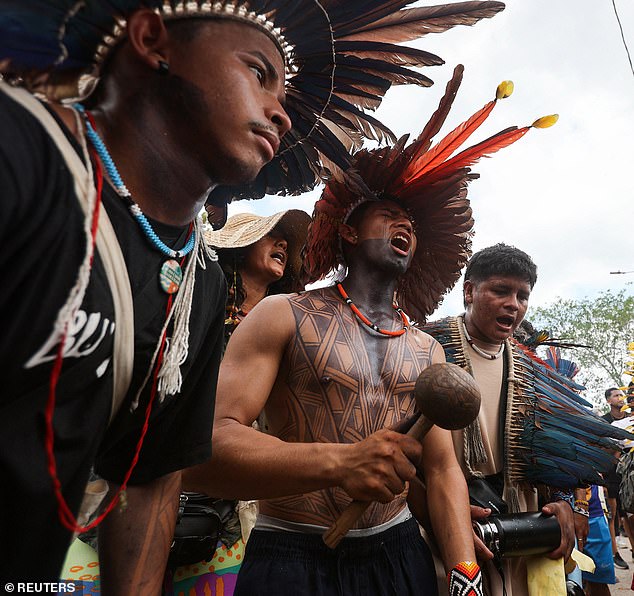
The conference has also been marked by protests, raising questions about its effectiveness in addressing climate change. As the event concludes, the debate over the value of such large-scale international gatherings continues.



Comments
Post a Comment