Court Deems IT Project-Based Termination Unfair
Key Legal Ruling on Unfair Dismissal in the IT Industry
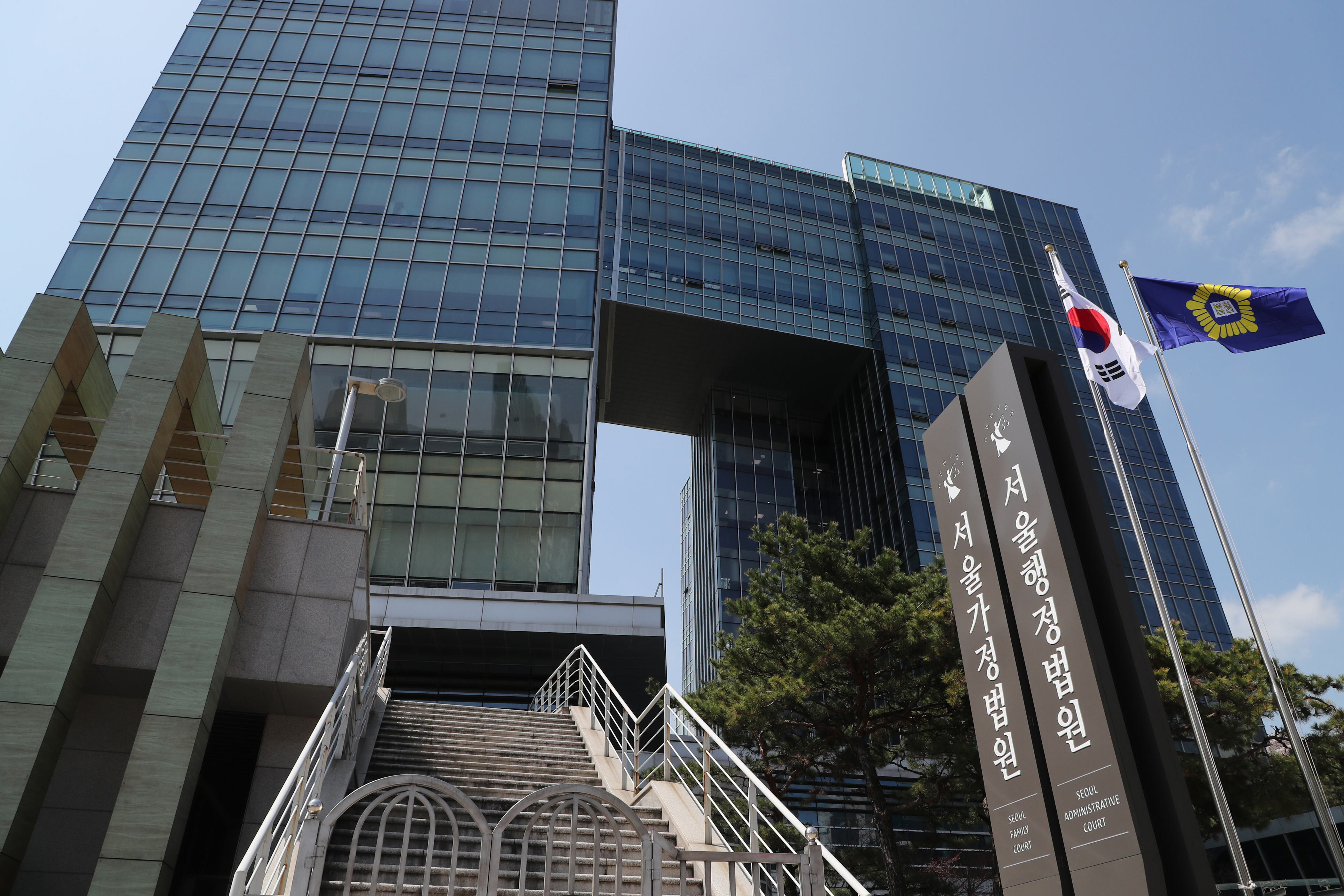
A recent ruling by a lower court has set an important precedent regarding the dismissal of regular employees in the IT industry. The Seoul Administrative Court’s Administrative Division 12, presided over by Judge Kang Jae-won, ruled that dismissing an employee under the pretext of project-based work practices constitutes unfair dismissal. This decision marks a significant moment in labor law, particularly for those working in industries where project-based employment is common.
The case involved Mr. A, who joined an IT company in November 2023 and was assigned to a software development project. In February of the following year, he was informed that the company would withdraw from the current project and discuss assigning him to another one. Mr. A remained unpaid for approximately a month while in a suspended status. In March, the company notified him that his suspension would be treated as a resignation.
Mr. A filed an application for unfair dismissal relief with the labor commission, arguing that he had been unfairly dismissed. However, both the Seoul Regional Labor Commission and the Central Labor Commission ruled in favor of the company, stating that the employment relationship ended due to the withdrawal from the project, and thus no dismissal occurred.
In response, Mr. A initiated an administrative lawsuit to cancel the Central Labor Commission’s re-examination decision. He argued that he had signed an indefinite-term regular labor contract with the company and that there was no agreement on resignation.
During the trial, the company claimed that Mr. A had caused various issues, including insufficient performance, and had expressed a desire to resign voluntarily. They also stated that, out of humanitarian consideration, they agreed that if no other project could accommodate him, he would resign voluntarily. Additionally, the company argued that under IT industry practices, the employment relationship is implicitly terminated when a project ends.
However, the court ruled that the dismissal was unfair. The judges found no evidence that Mr. A had first expressed his intention to resign voluntarily. According to transcripts, the company had initially proposed withdrawing from the existing project and discussing assignment to another project. It was confirmed that discussions about assigning him to another project proceeded on the premise that he would continue working at the company.
The court also rejected the company’s claim that the employment relationship ends when a project concludes. The judges stated that Mr. A and the company entered into an indefinite-term regular labor contract, and there is no basis to conclude that an implicit condition was included in the contract. Furthermore, they noted that the company’s failure to notify Mr. A in writing of the reasons and timing of the dismissal violated the Labor Standards Act.
Implications of the Ruling
This ruling highlights the importance of clear communication and adherence to labor laws, especially in industries where project-based work is prevalent. It emphasizes that even in such environments, employees are entitled to the protections afforded by indefinite-term labor contracts.
The court's decision reinforces the principle that employers cannot unilaterally terminate employment based on project completion without proper justification and documentation. It also underscores the need for transparency in employment practices, ensuring that employees are not unfairly treated or dismissed without due process.
For employees in the IT sector, this ruling provides a legal safeguard against potential abuses of project-based employment practices. It sets a clear precedent that indefinite-term contracts must be respected, and any termination must follow established procedures and legal requirements.
Conclusion
The Seoul Administrative Court’s ruling serves as a critical reminder of the rights of employees in the IT industry. It affirms that project-based work should not be used as a loophole to avoid fair treatment and proper termination procedures. Employers must ensure that their actions align with labor laws and that employees are treated with fairness and respect, regardless of the nature of their work.
This case also highlights the importance of legal recourse for employees who believe they have been wrongfully dismissed. By challenging unfair decisions through the courts, workers can seek justice and hold employers accountable for their actions. The outcome of this case is likely to influence future labor disputes and shape the way companies approach employment relationships in the IT industry.


Comments
Post a Comment