Court Rules Strike Replacement Pay Not Unfair Labor Practice
Court Rules on Special Allowances During Strike
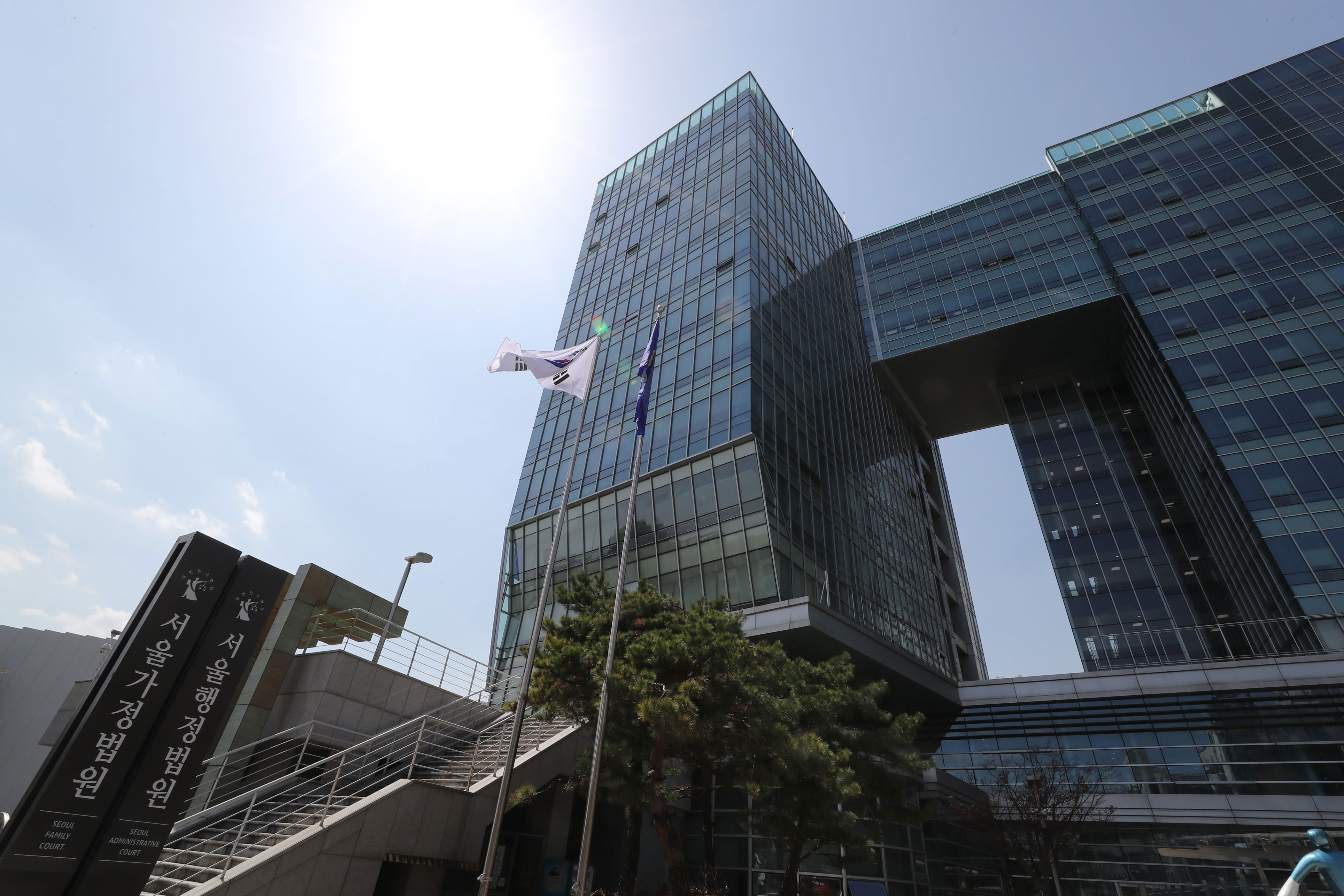
A recent court ruling has clarified the legal implications of special allowances provided to workers during a labor strike. The Seoul Administrative Court’s 13th Administrative Division, presided over by Judge Jin Hyeonseop, ruled in favor of a synthetic resin manufacturer, Company A, in a case that challenged a decision made by the Central Labor Relations Commission.
The dispute arose from a full-scale strike organized by the Korean Chemical, Textile and Food Workers’ Union (KCTFU), which is affiliated with the Korean Confederation of Trade Unions. The strike began on October 30, 2023, and lasted for one month. Many employees from Company A’s Ulsan and Jincheon production plants participated in the walkout.
During the strike, Company A offered special allowances to non-striking workers who took on replacement roles. These workers were compensated at 50% of their hourly wage for the time spent working as replacements. This payment was separate from overtime pay. The union argued that this practice was an unfair labor tactic intended to discourage participation in the strike and disadvantage those who were on strike.
The Ulsan Regional Labor Commission initially reviewed the matter and stated that while paying special allowances to workers whose roles changed due to the strike was acceptable, extending the payments to those with minimal changes in duties was excessive. Company A sought a retrial from the Central Labor Relations Commission but was denied, leading to the administrative lawsuit.
In its ruling, the court supported Company A’s position, stating that the special allowance—equivalent to 50% of the hourly wage for actual hours worked—could not be considered excessively high under social norms. The court emphasized that the payment was meant to compensate non-striking workers for the increased workload and responsibilities they faced during the strike.
The court also considered the impact of the strike on the remaining workforce, including office staff who were unfamiliar with production tasks. These workers had to take on additional responsibilities, which justified the special allowance.
Regarding the claim that the allowance was intended to influence workers’ participation in the strike, the court noted that the payment occurred a month after the strike had ended. This timing indicated that there was no intent to interfere with or dominate union activities.
Key Points from the Ruling
- Nature of the Allowance: The special allowance was designed to compensate non-striking workers for intensified duties.
- Legal Justification: The court found that the allowance was reasonable and did not constitute an unfair labor practice.
- Timing of Payment: The payment was made after the strike had concluded, indicating no intent to influence union operations.
- Workload Considerations: The court acknowledged the increased shift workloads and responsibilities faced by remaining workers.
This ruling sets a precedent for how special allowances are treated during labor strikes. It highlights the importance of fair compensation for workers who continue to perform their duties during periods of industrial action. The decision also reinforces the principle that such payments should be based on actual work performed and not used as a tool to undermine union activities.
The case underscores the complex relationship between employers, employees, and unions during times of labor disputes. It emphasizes the need for clear communication and fair practices to ensure that all parties are treated equitably. As labor relations continue to evolve, this ruling provides valuable guidance for future cases involving similar issues.


Comments
Post a Comment