Daytime Drinking Faces $300 Fine in Thailand Under New Law
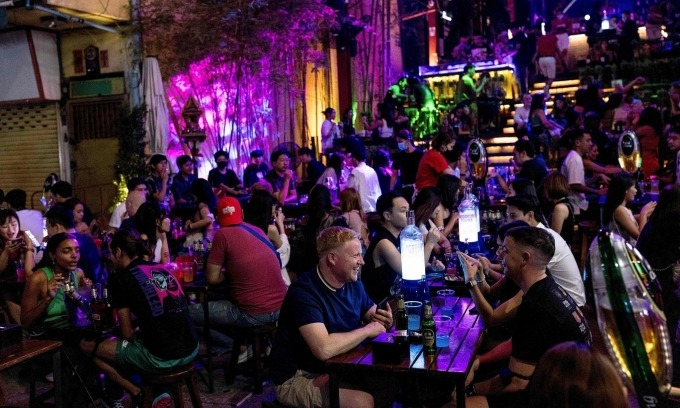
New Regulation on Alcohol Consumption in Thailand
A new regulation that came into effect on November 8 has introduced stricter rules regarding the consumption of alcohol in restaurants across Thailand. According to the law, individuals found sitting and drinking alcohol outside of permitted hours—specifically from 11 a.m. to 2 p.m. and 5 p.m. to midnight—could face fines of up to 10,000 baht (approximately US$300). This measure aims to control public behavior and ensure that establishments adhere to specific guidelines.
For example, if a customer is served a bottle of beer at 1:59 p.m. and continues to drink on the premises until 2:05 p.m., they would be considered in violation of the regulation. Such cases could result in penalties for both the customer and the establishment, depending on how the law is enforced.
Public Reaction and Criticism
The introduction of this rule has sparked significant backlash from both locals and international media. Reports indicate that many people have expressed concerns about the impact of these restrictions on daily life and tourism. Some foreign media outlets have warned travelers to exercise caution when visiting Thailand, highlighting the potential challenges associated with the new regulation.
Social media platforms have been flooded with comments from foreign tourists who find the rule "unreasonable and restrictive." Several individuals have stated that they may choose to avoid Thailand altogether in favor of other regional destinations that offer more relaxed alcohol policies.
Historical Context of Alcohol Restrictions
Thailand has long maintained strict regulations on the sale and consumption of alcohol. The country's existing alcohol sale ban typically lasts from 2 p.m. to 5 p.m. at most retail outlets and supermarkets. This policy has been in place for over five decades, reflecting a broader cultural and religious context that influences public behavior.
In Thailand, where Buddhism is the dominant religion, practitioners and monks follow the Five Precepts, which include abstaining from alcohol and intoxicants. This principle is rooted in the belief that avoiding alcohol promotes mindfulness and helps prevent heedlessness. As a result, the influence of Buddhist teachings has played a significant role in shaping the country's approach to alcohol consumption.
Impact on Tourism and Daily Life
The new regulation has raised concerns about its potential impact on tourism, an essential sector of Thailand's economy. Many visitors come to the country seeking a relaxed atmosphere, and the restrictions on alcohol consumption could deter some from choosing Thailand as their travel destination.
At the same time, the law has also prompted discussions about the balance between enforcing public order and respecting individual freedoms. While the government aims to maintain a disciplined environment, critics argue that such measures may not align with the expectations of modern travelers.
Conclusion
As Thailand continues to navigate the complexities of regulating alcohol consumption, the new law serves as a reminder of the deep-rooted cultural and religious influences that shape public policy. Whether this regulation will be effective in achieving its intended goals remains to be seen, but it has already generated considerable debate among locals and international observers alike.


Comments
Post a Comment