Dhaka's Unhealthy Air Lingers
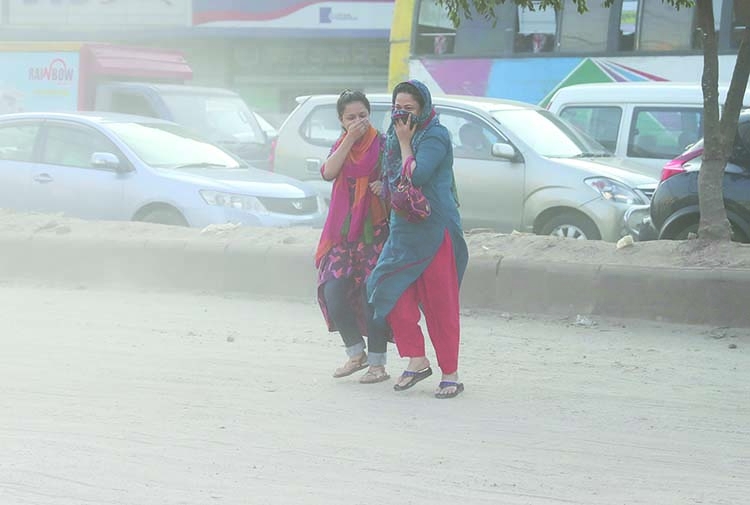
Dhaka Ranks Fifth in Global Air Quality Index
Dhaka, the densely populated capital of Bangladesh, has been ranked fifth on the list of cities with the worst air quality. On October 26, 2025, at 9:25 am, the city's Air Quality Index (AQI) reached a score of 168, which classifies the air as "unhealthy for sensitive groups." This classification indicates that certain populations, such as children, the elderly, and individuals with pre-existing health conditions, may experience adverse effects from prolonged exposure to the polluted air.
The AQI is a standardized measure used to communicate the level of air pollution in a given area. It provides information about the cleanliness or pollution level of the air and highlights potential health risks associated with it. The index considers several pollutants, including particulate matter (PM10 and PM2.5), nitrogen dioxide (NO2), carbon monoxide (CO), sulfur dioxide (SO2), and ozone.
Understanding AQI Levels
The AQI scale is divided into different categories based on the concentration of pollutants:
- 0–50: Good – Air quality is satisfactory, and pollution poses little to no risk.
- 51–100: Moderate – Air quality is acceptable, but there may be a moderate health concern for a small number of people.
- 101–150: Unhealthy for sensitive groups – Individuals with respiratory or heart conditions may experience mild effects.
- 151–200: Unhealthy – Everyone may begin to experience some health effects, and sensitive groups may experience more severe effects.
- 201–300: Very unhealthy – Health warnings are issued, and the general population may experience serious health effects.
- 301+: Hazardous – A high risk of serious health effects for everyone.
On the day of the report, Dhaka's AQI fell within the "unhealthy for sensitive groups" range, indicating that while the general public might not feel immediate effects, vulnerable individuals could face significant health risks.
Global Air Quality Rankings
Serbia’s Belgrade, Pakistan’s Lahore, and India’s Delhi occupied the top three positions on the list of cities with the worst air quality. Their respective AQI scores were 423, 388, and 290. These levels reflect severe pollution, with serious implications for public health.
Dhaka's air quality has remained consistently poor, particularly during the winter months when the city experiences higher levels of pollution. However, the monsoon season typically brings relief by washing away some of the airborne particles and improving air quality.
Long-Term Impacts of Air Pollution
Air pollution is a major global health issue. According to the World Health Organization (WHO), it is responsible for an estimated seven million deaths worldwide each year. The primary causes of these deaths include stroke, heart disease, chronic obstructive pulmonary disease (COPD), lung cancer, and acute respiratory infections.
In Bangladesh, the problem of air pollution is compounded by factors such as industrial emissions, vehicle exhaust, construction dust, and the burning of solid fuels for cooking and heating. Addressing this issue requires coordinated efforts from both the government and the public to implement effective measures for reducing pollution levels.
Strategies for Improvement
Efforts to improve air quality in Dhaka include stricter regulations on industrial emissions, promoting public transportation, and encouraging the use of cleaner energy sources. Additionally, raising awareness among citizens about the health risks associated with air pollution can help drive behavioral changes that contribute to long-term improvements.
As the city continues to grow, it is essential to prioritize sustainable development practices that balance economic growth with environmental protection. Only through sustained commitment and collective action can the challenge of air pollution be effectively addressed.


Comments
Post a Comment