Dinosaurs' End, Shark's Rise in Morocco
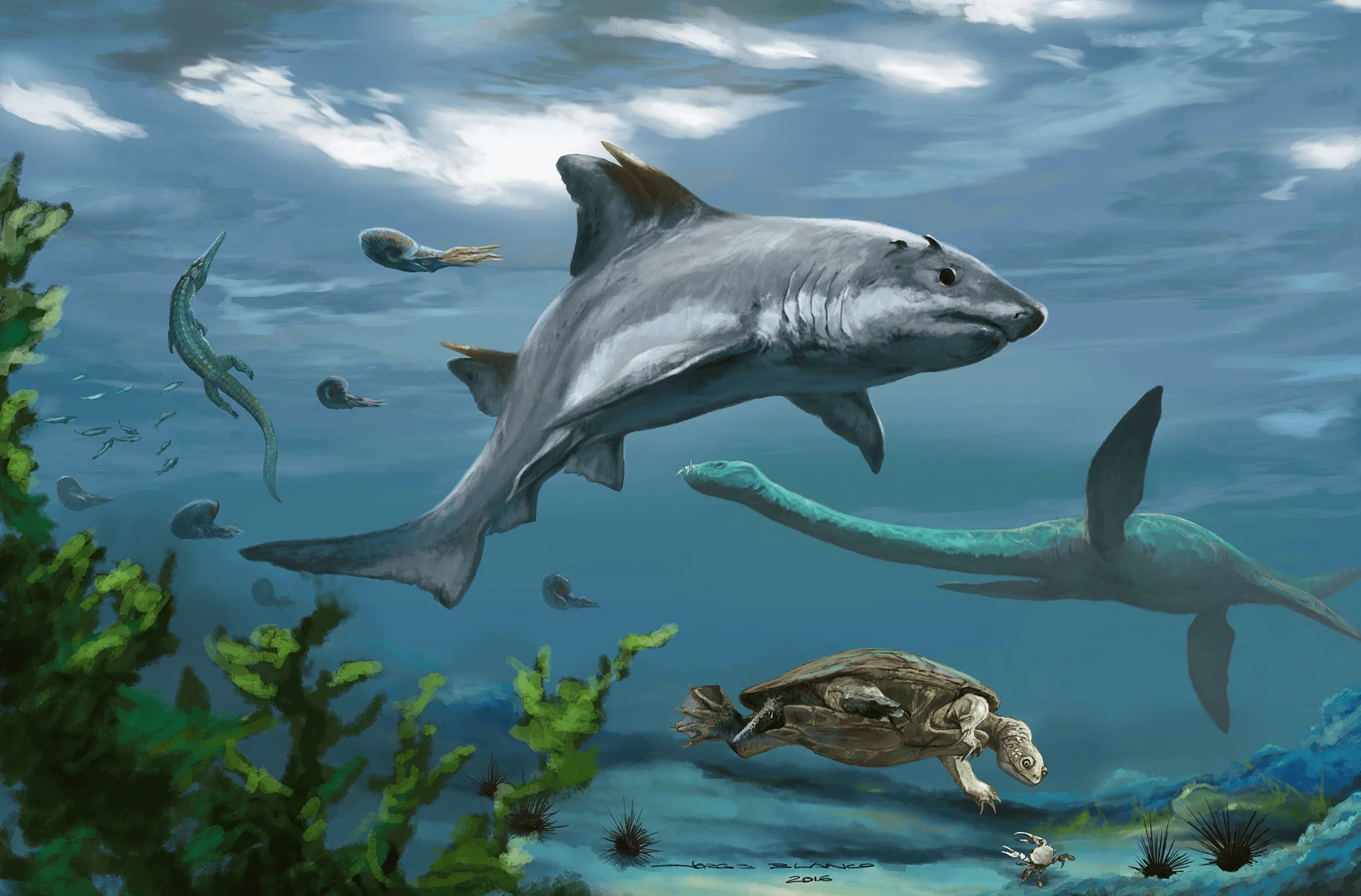
A New Extinct Shark Species Unveiled in Morocco
A team of researchers has uncovered a new species of extinct shark, providing valuable insights into the evolution of these ancient predators just before the end of the dinosaur era. The discovery was made from dozens of isolated teeth found in 2024 in Morocco’s Sidi Chennane quarry, one of the world's richest Maastrichtian fossil sites. This site is known for its exceptional preservation of marine life from the late Cretaceous period.
The newly identified species, named Pseudocorax heteroserratus, was described from a large sample of isolated teeth discovered in the upper Couche III layer of the Sidi Chennane quarry in the Oulad Abdoun Basin (Khouribga Province). This area is recognized as one of the most significant locations for Maastrichtian marine fossils globally.
Unique Characteristics of Pseudocorax heteroserratus
According to the researchers, this new species stands out from all previously known Pseudocorax sharks due to three key features:
- A mesiodistally elongated tooth base
- A broad crown
- Exceptionally variable serrations, ranging from completely smooth to finely or even coarsely serrated cutting edges
This remarkable variability in serration patterns inspired the species name heteroserratus, which means "differently serrated." The wide range of serration patterns raises intriguing questions about how serrations evolved within the genus. Scientists are now exploring whether these features developed gradually or emerged multiple times independently.
The unusually high number of teeth found allowed researchers to document the full spectrum of shapes and features, something that is typically challenging when studying shark species known only from isolated teeth.
A Fossil-Rich Setting
The discovery of Pseudocorax heteroserratus not only adds to our understanding of shark evolution but also helps refine the biostratigraphy of the Oulad Abdoun Basin. It offers new insights into shark diversity during the million years leading up to the end-Cretaceous extinction. The Oulad Abdoun Basin, located approximately 150 km south of Rabat, is the largest of Morocco’s phosphate basins and part of the wider Mediterranean Tethyan phosphogenic province.
Couche III, where the shark teeth were collected, dates to the latest Maastrichtian, just before the mass extinction event that marked the end of the dinosaur era. This layer also contains a variety of other fossils, including mosasaurs, plesiosaurs, crocodilians, turtles, actinopterygians, and even rare dinosaur remains. These findings offer a detailed snapshot of a warm, shallow marine ecosystem that thrived at the end of the Cretaceous.
Collaborative Discovery
The study, published this November by Cambridge University Press on behalf of the Paleontological Society, was the result of a collaborative effort involving state-licensed Moroccan fossil collector Boubker Chaibi and his daughter Ikhlass Chaibi. They excavated and sieved the in-situ sediments, along with other local collectors using similar methods. The fossils were later studied and accessioned into the Mississippi Museum of Natural Science (USA) as part of ongoing research on Moroccan selachians.
This discovery highlights the importance of collaboration between local collectors and international researchers in uncovering the rich fossil history of Morocco. It also underscores the significance of the region in understanding the biodiversity and evolutionary processes of marine life during the late Cretaceous period.


Comments
Post a Comment