Disney's AI Snowman Olaf Comes to Life!
The Creation of Olaf the Robot: A Marvel of Technology and Imagination
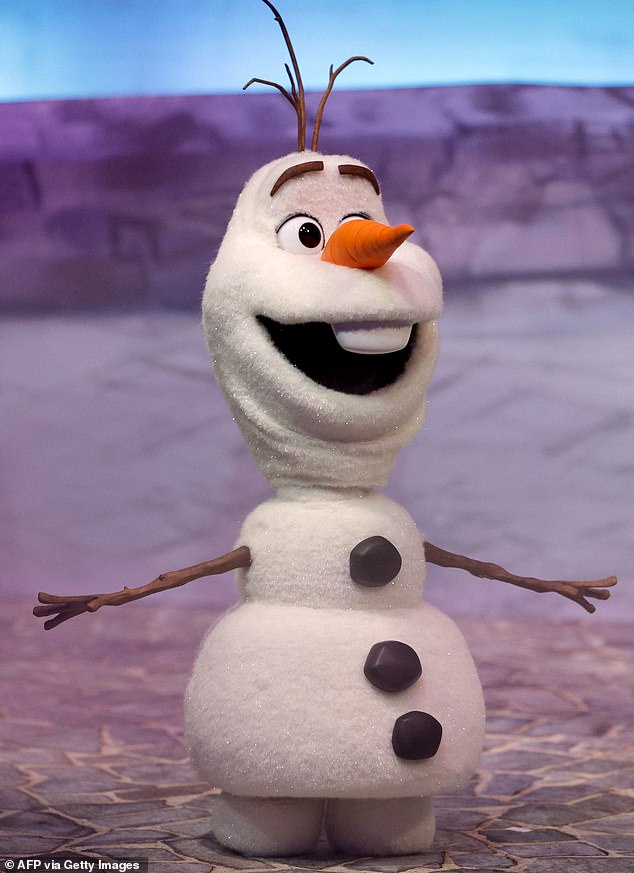
Disney has once again pushed the boundaries of innovation by bringing one of its most beloved characters to life in a way that is truly remarkable. Olaf, the ever-optimistic snowman from the Frozen movies, has now been transformed into a robot that can walk, talk, and interact with visitors just like he does on screen.
Measuring just three feet (one metre) tall, this high-tech creation is a marvel of engineering. It moves around using a combination of remote operation and artificial intelligence (AI), which allows it to adapt to its surroundings. The result is a character that looks and acts just like the original Olaf from the films. Video footage shows him shuffling around Disneyland Paris, and soon, guests will be able to meet him in person.
Kyle Laughlin, a product and technology leader at Disney, described the robot as “one of the most expressive and true-to-life characters built.” He emphasized that every gesture and detail was crafted to reflect the Olaf seen in the movie. Fans on social media were equally amazed, with many calling the creation “incredible” and “perfect.” One fan even said, “It's like he jumped right off the screen into real life.”
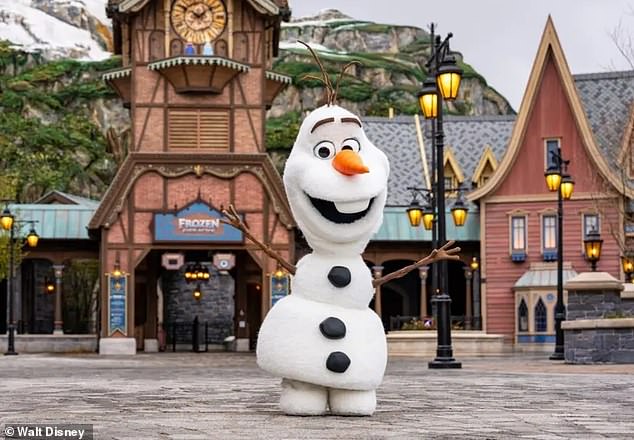
In a nod to one of his famous lines, another fan joked, “I need a warm hug please Olaf.” This level of fan engagement highlights how well the robot captures the essence of the character.
The Technology Behind Olaf
Olaf was developed by Disney Imagineering, the company’s research and development arm based in Glendale, California. To make the snowman’s movements as realistic as possible, engineers used a type of AI called reinforcement learning. This method allows robots to learn through trial and error, adapting their actions based on interactions with their environment.
The process involves simulating thousands of motions in a computer before the robot performs them in real life. According to Laughlin, “It takes humans years to perfect our motor skills for walking, and it takes additional years of practice to perform acrobatic motions that only a few of us can master. Deep reinforcement learning is a technology that helps robots acquire such skills in a shorter amount of time.”
How Olaf Works
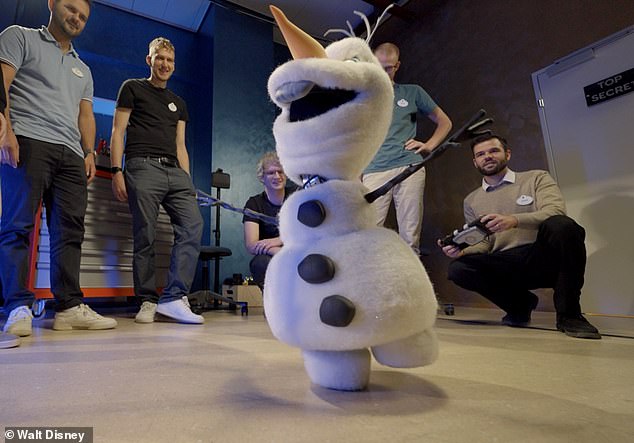
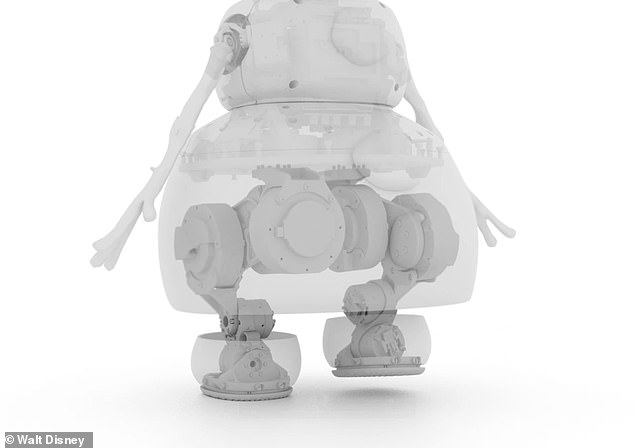
Disney relies on reinforcement learning to help Olaf adapt to his surroundings and interact with people. However, like other robotic characters such as the Star Wars BDX Droids, Olaf is ultimately operated by a Disney staff member using a remote control. It is unclear whether he uses pre-recorded responses or a more advanced conversational system similar to ChatGPT.
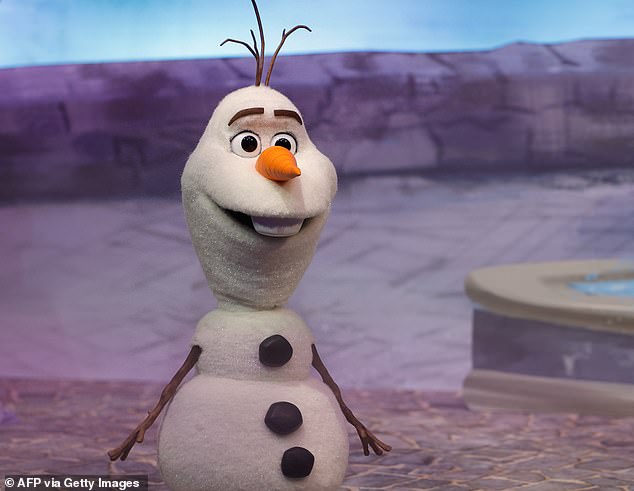
Despite this, Olaf has several impressive features. His exterior "snow" is made from light-catching iridescent fibers, giving him a striking appearance. His twig arms and carrot nose are removable and can be easily reattached. Most importantly, he can fully articulate his mouth and engage in Frozen-related conversations with park guests.
Upcoming Appearances
Olaf the robot will soon start appearing at World of Frozen, a new immersive world at Disneyland in Hong Kong and Paris. The creation has been detailed further in a new episode of Disney's YouTube series We Call It Imagineering.
While Olaf's chunky legs make it easier for him to maintain balance, other humanoid robots have faced challenges. Earlier this month, a Russian robot called AIDOL wobbled and fell during an on-stage event, leaving attendees stunned. Another recent clip showed a Unitree G1 robot chef attempting to cook a stir-fry but ending up flinging food on the floor and slipping over the mess.
The Future of Robotics
In a different kind of competition, two lifesize robots recently engaged in the world's first humanoid robot boxing match. New footage shows the event taking place in Hangzhou, China. Each robot weighs about 35kg and stands 4.3ft (132cm) tall—roughly the height of an eight-year-old child. Although both bots initially struggled to see their opponent, they eventually traded punches and kicks, delighting the crowd.
As robotics continues to evolve, these innovations raise exciting possibilities for the future. From interactive theme park characters to advanced robotic capabilities, the line between fiction and reality is becoming increasingly blurred.


Comments
Post a Comment