Easy English News: Gunma Town Grows as Foreign Community Hub
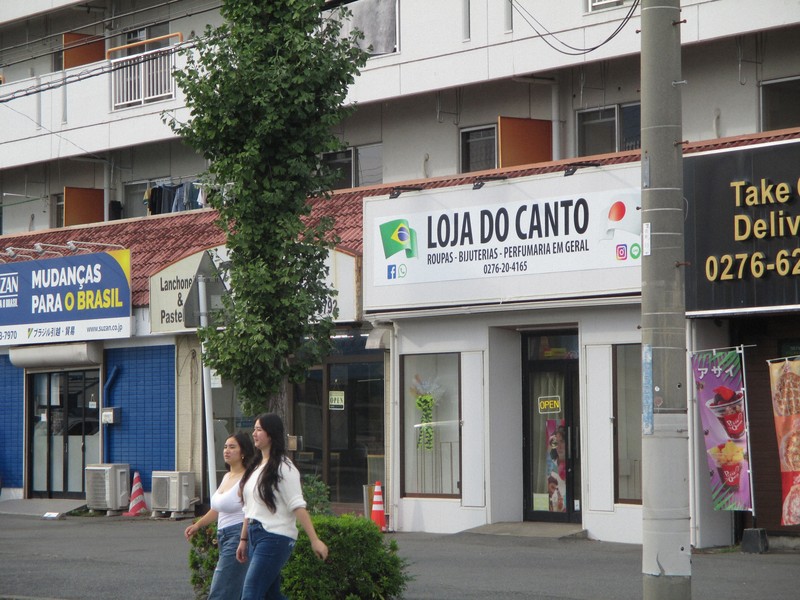
The Changing Demographics of Oizumi, Gunma
In the quiet town of Oizumi, located in Gunma Prefecture, a growing foreign population has sparked a mix of curiosity and confusion among local residents. While the town is known for its significant number of foreigners, interactions between Japanese and non-Japanese individuals remain limited. This dynamic has led to a range of perspectives from both communities, reflecting broader societal shifts.
Perspectives from Local Business Owners
One 65-year-old man who runs a gas company shared his observations. He noted that while the presence of foreigners has contributed to business operations, it's not always straightforward. "Even landlords who initially disliked foreigners now have them as tenants," he said. According to him, some foreigners are good customers, while others are not, just like Japanese people. "Fundamentally, I guess there's no difference," he added, highlighting the complexity of these relationships.
Mixed Feelings Among Locals
Not all residents feel comfortable with the increasing number of foreigners. Some express unease or maintain a distance, while others simply feel uncertain. One man in his 70s even voiced a strong opinion: "I want foreigners to leave." However, most seem to be navigating their feelings without overt hostility.
Many Japanese residents have noticed changes in the lifestyles of some foreigners. For instance, they now drive high-end cars and purchase homes, which was uncommon in the past. A local store clerk observed this shift, noting that "foreigners used to all ride bicycles. Then, at some point, they all started driving (Nissan) Silvias, and recently, it's been Mercedes and BMWs."
Employment and Economic Impact
Most foreigners in Oizumi work as temporary staff or technical interns rather than in regular jobs. This situation can lead to questions about whether they earn more money than Japanese workers, potentially influencing local perceptions. Such economic dynamics may complicate views on integration and coexistence.
Generational Shifts and Social Integration
A woman in her 60s remarked on the "vitality" brought by foreigners, recalling when Oizumi was filled with young Japanese families. Now, many foreigners have children, changing the town's demographic landscape. Another woman in her 30s shared her experience, stating that she has had Japanese-Brazilian and Peruvian classmates since elementary school, so she hardly sees them as foreigners. In some classes at Nishi Elementary School, about 40% of students are foreigners.
Family Dynamics and Cultural Exchange
A 63-year-old man admitted he has no foreign friends, but his son is close to Brazilians because they went to school together. "Their perspective is different from our generation's," he said, indicating a generational shift in attitudes toward cultural diversity.
Community Leaders' Vision
Katsunori Miyaji, head of the Oizumi Town Tourism Association, emphasized that the presence of foreigners in classrooms has become normal. "There's no need for terms like multicultural coexistence," he said. He hopes for closer relationships between Japanese and foreigners, but acknowledges that change will take time. "It won't happen overnight, but things will change with the children's generation," he added.
Conclusion
The evolving demographics of Oizumi reflect broader trends in Japan, where the integration of foreigners into local communities is an ongoing process. While challenges and uncertainties persist, there are also opportunities for mutual understanding and growth. As younger generations grow up in a more diverse environment, the potential for stronger community bonds becomes increasingly possible.


Comments
Post a Comment