Exclusive: KOSPI Rise Masks 430 Billion Won Forced Sales
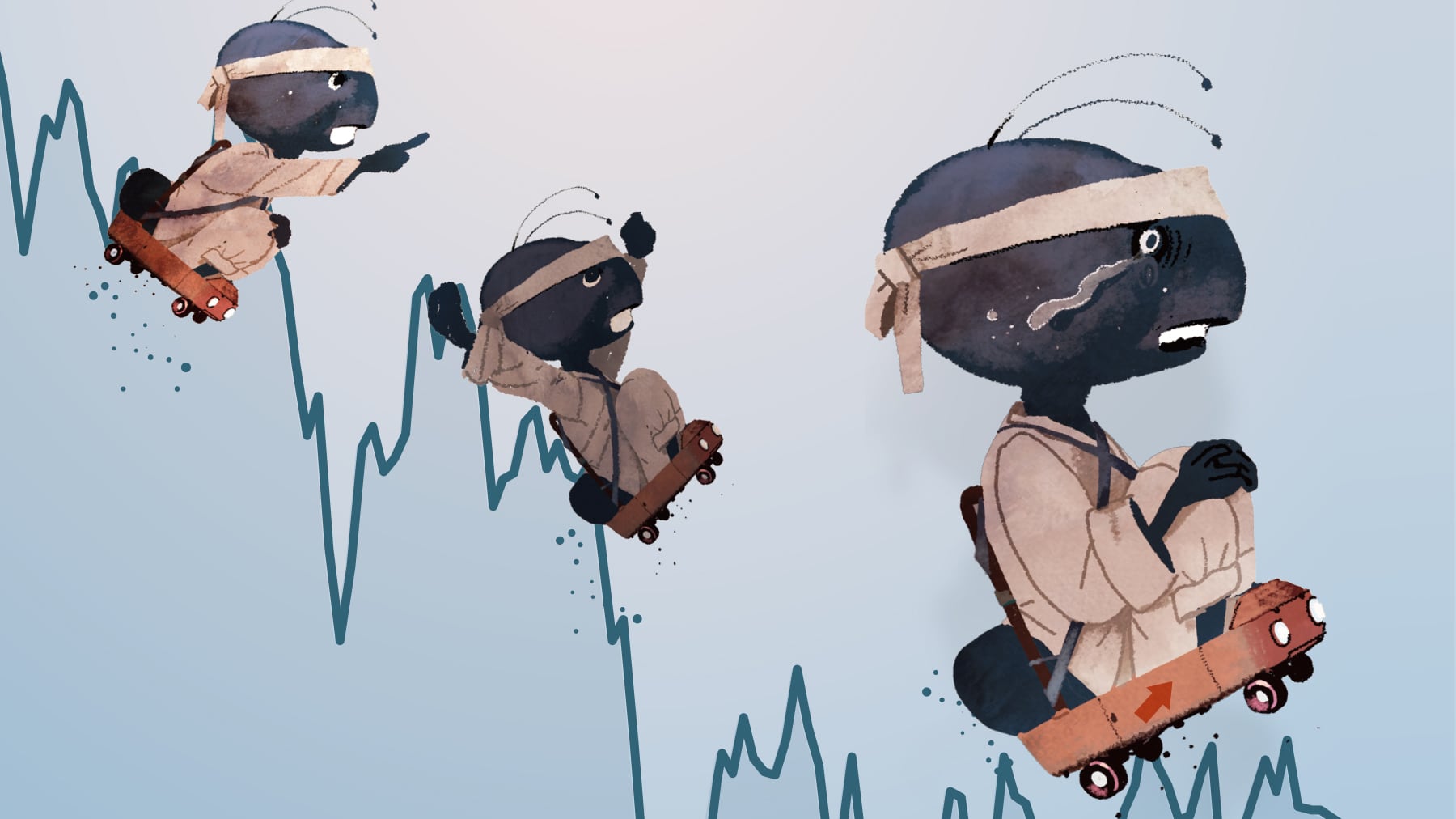
The Rise and Fall of the KOSPI Bull Market
Under President Lee Jae-myung’s administration, the Korean Stock Price Index (KOSPI) reached a historic milestone by surpassing the 4,000-point mark for the first time. This development sparked a bullish trend in the stock market, drawing attention from both investors and analysts. However, this period also saw a significant number of individual investors facing forced sales due to declining stock prices.
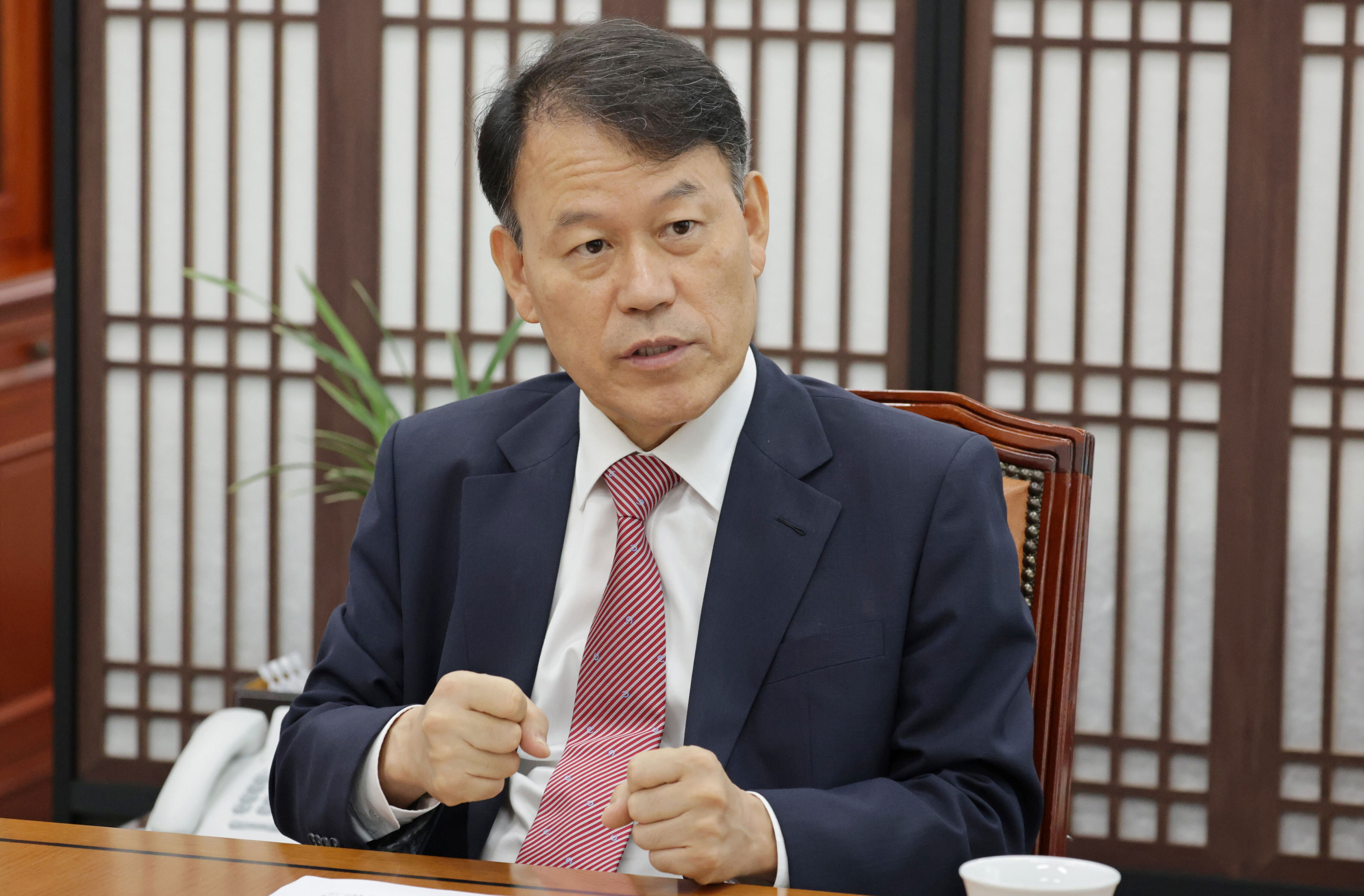
According to data obtained by the office of People Power Party Representative Yoon Han-hong from the Korea Financial Investment Association, the cumulative amount of credit-financed forced sales in the domestic stock market between June and November (up to the 12th of November) reached approximately 433.4 billion Korean won. Over 76,624 accounts were affected by these forced sales, highlighting the widespread impact on retail investors.
Understanding Credit-Financed Forced Sales
Credit-financed forced sales occur when investors borrow money using stocks as collateral. If the stock price falls below a certain threshold, securities firms forcibly sell the collateral at depressed prices. This mechanism can lead to significant losses for investors, even during periods of overall market growth.
Despite the KOSPI rising from the 2,600-point level to the 4,000-point level, over 10,000 individual investors each month faced forced sales worth hundreds of billions of Korean won due to falling stock prices. Analysts attribute this situation to the bull market being concentrated in specific sectors, such as semiconductors. This concentration has left many investors exposed to losses in other parts of the market.
Intensifying Challenges in the Current Market
The situation has worsened this month, as the KOSPI has stagnated or declined around the 4,000-point mark. From November 1 to 12, credit-financed forced sales amounted to approximately 52.3 billion Korean won, already nearing the monthly average of 76.2 billion Korean won from June to October. If this trend continues, the total forced sales for this month could exceed 1 trillion Korean won. On the 18th, the KOSPI closed below the 4,000-point mark for the first time in seven trading days, ending at 3,953.62.
Concentrated Damage Among Debt-Financed Investors
The damage from forced sales was primarily concentrated among "debt-financed investors." Specifically, forced sales resulting from loans taken to purchase new stocks (credit loan forced sales) totaled 385.9 billion Korean won from June to November, accounting for nearly 90% of all forced sales. This highlights the risks associated with leveraging investments in a volatile market.
Vice Chairman Kwon Dae-young of the Financial Services Commission acknowledged the role of debt-financed investments in the market, stating that they are a form of leverage. However, following criticism that a financial authority figure was encouraging risky investments, Vice Chairman Kwon expressed concern about the clarity of his message, acknowledging that the true intent of his words was not sufficiently conveyed.
Sectoral Performance and Investor Impact
During the same five-month period, while the KOSPI maintained an overall upward trend, over 40% of listed stocks saw price declines. According to data received by Rep. Yoon Han-hong’s office from the Korea Exchange, out of 816 KOSPI-listed stocks (excluding preferred shares) from June to November (up to the 12th of November), 478 stocks (58.6%) rose, while 338 stocks (41.4%) fell. This indicates that many individual investors experienced declines in their holdings despite the broader bull market.
During the same period, 143 stocks (17.5%) declined by over 10%. The stock with the largest decline was Ascendio (-53.4%), followed by Hanse M&K (-53.2%), Orient Bio (-49.2%), and Insco Bi (48.6%). Conversely, the stock with the largest gain was Kolon Mobility Group (452.9%), followed by Hyosung Heavy Industries (258.6%), Daeduck Electronics (249.1%), and Isu Petasys (211.5%).
Calls for Responsible Market Policies
Rep. Yoon Han-hong, chairman of the National Assembly’s Political Affairs Committee, emphasized the need for responsible market policies. He stated, “While the Democratic Party of Korea and the government emphasize the ‘KOSPI bull market,’ it has been confirmed through data that tens of thousands of individual investors are weeping due to forced sales. Particularly, with the KOSPI hovering around the 4,000-point mark, numerous investors are at risk of forced sales.”
He added, “Authorities must refrain from irresponsible actions that seem to encourage ‘debt-financed investments’ for the artificial stimulation of the KOSPI. They should focus on building a healthy stock market free from bubbles, based on corporate performance.”


Comments
Post a Comment