Exclusive: Prosecutors Seek Clarification on Daejang-dong Appeal Withdrawal
Prosecutors Across the Country Demand Clarification on Daejang-dong Case Decision
A significant development has emerged as prosecutors’ offices across the country, including those under district prosecutors’ offices, have issued a joint statement calling for a “convincing explanation” from the Supreme Prosecutors’ Office and the Ministry of Justice regarding the decision to abandon the appeal in the high-profile “Daejang-dong development corruption” case. This move highlights growing concerns within the legal community over the transparency and rationale behind the prosecution’s actions.
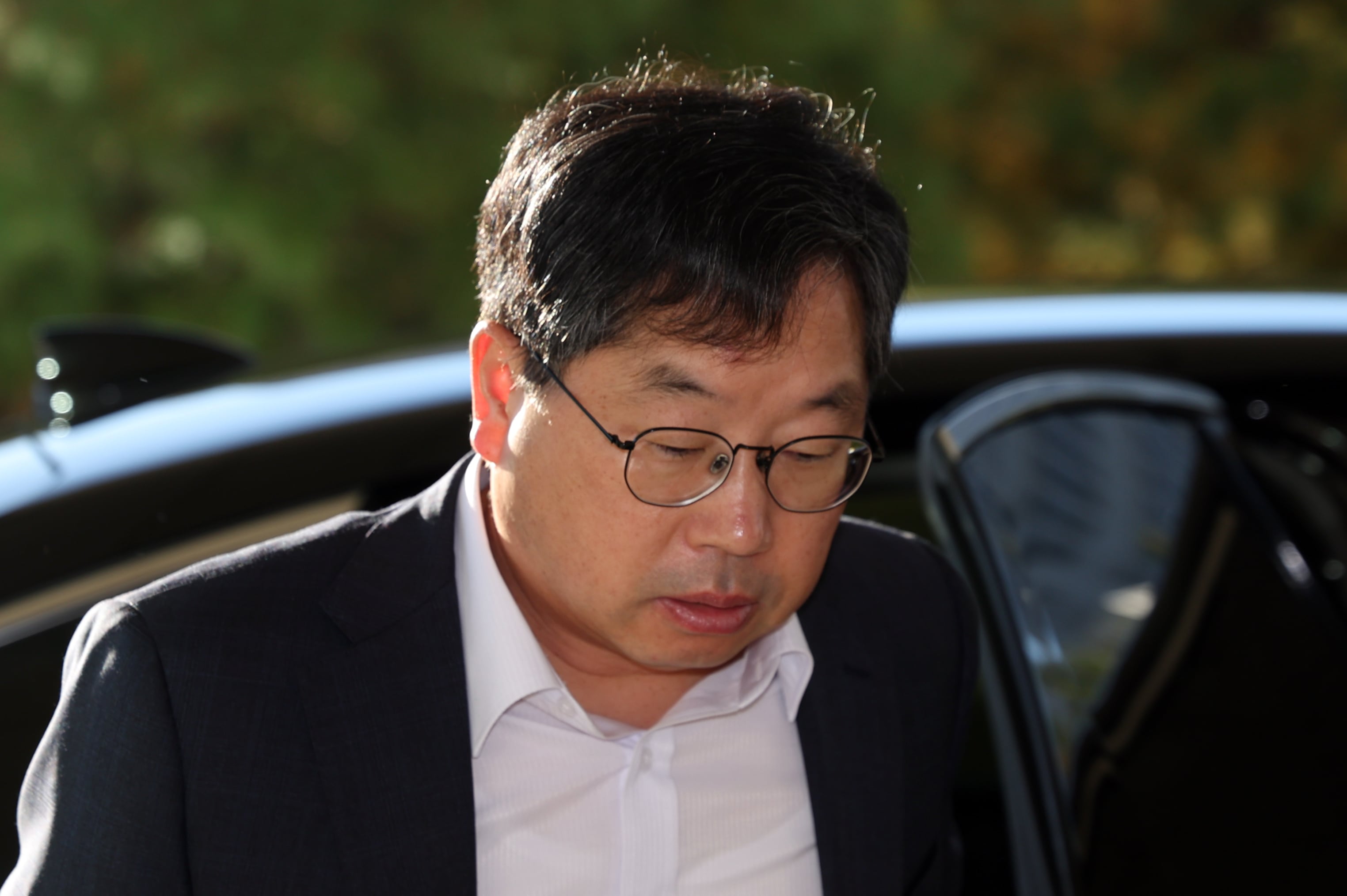
According to sources familiar with the matter, eight branch chiefs overseeing local prosecutors’ offices under regional prosecutors’ offices posted a statement titled “Request to the Acting Prosecutor General” on the internal prosecution network e-Pros on the morning of the same day. The statement emphasized that if the circumstances leading to the decision to abandon the appeal are not sufficiently explained, it could inflict irreversible damage to the values the prosecution must uphold and the very reason for its existence.
The branch chiefs further pointed out that the explanations provided by key officials, such as Seoul Central District Prosecutors’ Office Chief Jeong Jin-woo, Acting Prosecutor General No Man-seok, and Justice Minister Jung Sung-ho, do not clarify the specific reasons why the prosecution suddenly overturned the firm stance of the investigation and trial teams and the central prosecutors’ office in such a major case. This sudden shift in position has raised serious questions about the integrity of the legal process.
They added that in a major corruption case that has drawn national attention over several years, the unanimous appeal opinion of the investigation and trial teams—who directly handled the prosecution—appears to have been completely disregarded without rational explanation. The statement urged those in responsible positions to provide a convincing explanation and demonstrate an attitude befitting their status regarding the circumstances.
The statement was signed by eight branch chiefs: Ha Dam-mi of Anyang, Lim Il-soo of Seongnam, Lee Dong-gyun of Ansan, Kim Yoon-sun of Cheonan, Shin Dong-won of Daegu Seo-bu, Choi Haeng-gwan of Busan Dong-bu, Son Chan-o of Busan Seo-bu, and Yong Seong-jin of Suncheon. Among the 10 branch chiefs from branch offices with deputy chiefs, Bucheon remains vacant due to the dispatch of a special counsel, while Go Yang Branch Chief Jeong Ji-young did not participate.
Broader Implications and Calls for Transparency
Amid this, Suwon District Prosecutors’ Office Chief Park Jae-eok posted a statement titled “Request for Explanation to the Acting Prosecutor General” on the internal network on behalf of 18 district and branch chiefs. The statement demanded that Acting Prosecutor General No Man-seok provide a detailed explanation of the circumstances and legal rationale behind the decision to abandon the appeal. It was also reported that Supreme Prosecutors’ Office researchers would deliver a statement demanding No’s resignation later the same day.
Legal circles interpret the situation as the prosecution, facing its abolition in October next year, experiencing its final “chaos” (geom-ran) as senior leadership allegedly blocks appeals in cases favorable to the current administration. This has led to widespread speculation about the motivations behind the decision and whether it reflects a broader pattern of political influence within the judicial system.
Key Figures Involved
- Ha Dam-mi – Anyang Branch Chief
- Lim Il-soo – Seongnam Branch Chief
- Lee Dong-gyun – Ansan Branch Chief
- Kim Yoon-sun – Cheonan Branch Chief
- Shin Dong-won – Daegu Seo-bu Branch Chief
- Choi Haeng-gwan – Busan Dong-bu Branch Chief
- Son Chan-o – Busan Seo-bu Branch Chief
- Yong Seong-jin – Suncheon Branch Chief
Ongoing Concerns and Future Actions
The statements issued by these prosecutors reflect a deepening divide within the legal community. Many are concerned that the decision to abandon the appeal may set a dangerous precedent, undermining public trust in the justice system. As the situation unfolds, further developments are expected, including potential responses from the Supreme Prosecutors’ Office and the Ministry of Justice.
With the upcoming abolition of the prosecution in October, the current turmoil has intensified calls for transparency and accountability. Legal experts suggest that the events surrounding the Daejang-dong case could serve as a pivotal moment in the ongoing debate about the role and independence of the prosecution in South Korea.


Comments
Post a Comment