Expert Unveils 7 Millennial Travel Secrets That Baffle Older Generations
The Generational Divide in Modern Travel Habits
Travel has always been a way for people to explore new places, meet new people, and gain new experiences. However, the way people plan, book, and experience their trips has evolved significantly over the years. A recent conversation between a travel expert and her father highlighted the growing generational divide in how different age groups approach holidays.
Jordan Cooper, a contributor at VegOut, shared her own experience of trying to explain modern travel habits to her father, who is part of the boomer generation. He was baffled by the idea of staying in someone’s apartment—specifically, an Airbnb in Lisbon. This encounter sparked a deeper reflection on the seven millennial travel trends that often leave older generations confused.
Booking Accommodation Through Apps
While boomers tend to rely on established hotel chains they can trust, millennials and Gen-Z are more comfortable booking spare rooms, treehouses, and tiny rooms on platforms they may be using for the first time. Cooper described how her father's go-to is the "same Holiday Inn chain" he's booked for the last 30 years, while she tends to book—without hesitation—random listings of accommodation with "good reviews" and "seemingly legit" photos.

This shift reflects a broader trust among younger people in crowdsourced reviews and online community ratings rather than through institutions and brand names. It also highlights a willingness to embrace new experiences, even if it means stepping outside of traditional comfort zones.
Planning Less and Embracing Spontaneity
Boomer travellers often arrive at their destination armed with detailed itineraries, printed confirmations, and scheduled activities. Millennials and Gen-Z, on the other hand, may land in a new country with only the first night's stay booked. For many young travellers, this flexibility leads to unexpected opportunities and connections that rigid planning cannot offer.

This approach allows for a more organic and immersive travel experience, where the journey itself becomes part of the adventure. It also encourages a sense of spontaneity that many older generations find hard to understand.
Working While Travelling
For many, remote work has blurred the line between a holiday and a day job, making extended travel possible in ways it never was for older generations. Millennials can now spend more time abroad by packing their laptops and logging on from a thousand miles away—something that perplexes boomers who are used to separating vacations from work.
Cooper recalled how, during a recent trip to Mexico, she spent some time answering emails while relaxing at a beach—prompting her father to point out: "Isn't the point of vacation to NOT work?" However, she observed that in his world, vacation meant two weeks off per year, completely disconnected from the office. You went somewhere, you relaxed, you came back.
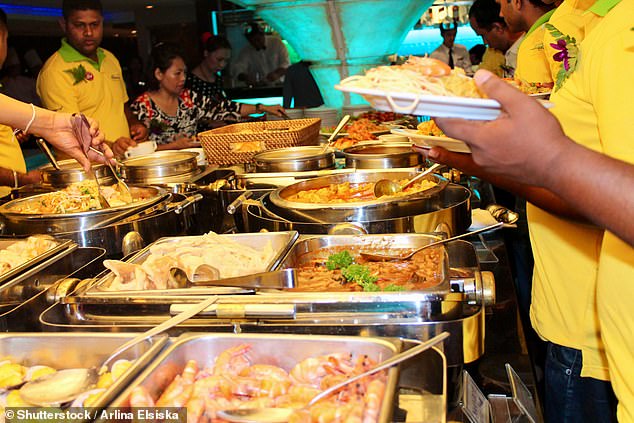
Though Cooper highlighted this can prevent holidaymakers from "being present" while abroad, it still makes long-term travel accessible in ways previous generations never experienced.
Street Food Being a Highlight – Not a Hazard
While older travellers may worry about food safety when buying from unfamiliar street vendors, millennials often see street stalls as essential cultural experiences. But it's not all risk, as Cooper says younger generations still research reviews and take note of vendor hygiene before consuming food from a potentially "questionable source."
She added that travellers who dismiss all street food could be missing out on extraordinary culinary experiences and authentic local flavours.
Prioritising Instagram-Worthy Moments
Millennials are more likely to photograph colourful streets, scenic cafés, or perfectly plated meals—not only for memories but also for online storytelling. Though older travellers sometimes view this as unnecessary, Cooper argues that digital sharing has become a modern form of documenting travel, replacing physical photo albums with online galleries with quick and easy access.
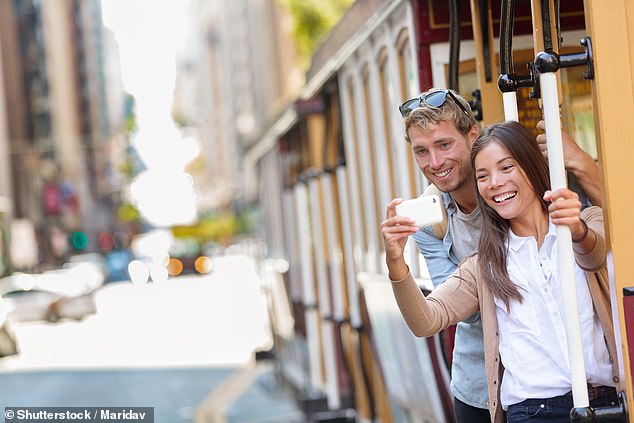
This trend reflects a shift in how people want to share their experiences, emphasizing visual storytelling and real-time updates.
Choosing Experiences Over Souvenirs
According to Cooper, millennials spend more money on the likes of hiking tours, cooking classes, and activities and less on physical keepsakes. Meanwhile, boomers traditionally bring back fridge magnets and shot glasses as physical proof they'd been somewhere.
She also noted that many younger travellers, who tend to move homes more often, simply prefer memories over objects, as "accumulating stuff" makes the move more difficult.
Travelling for Personal Growth
Perhaps the most confusing shift for boomer parents is the rise of travel as a tool for self-discovery and growth. Millennials often take solo trips to reflect, reset, or gain perspective. Cooper recalled a time her father questioned the reason she was travelling to India. He joked: "You're going to India to find yourself? You know where you are—you're right here."
But, according to the seasoned traveller, younger generations see travel not just as leisure but as part of emotional and personal development.


Comments
Post a Comment