Explore 5 Gen Z-approved destinations off-season, from Seoul to Santorini
The Rise of Shoulder-Season Travel
The sweet spot—when tourist crowds have yet to descend or they have just left—is what travelers are now searching for. This trend is gaining momentum, especially among Gen Z, who are choosing off-peak times to travel to make their money go further and avoid the worst of the tourist crowds. Recent reports, including Airbnb's "2025 Fall Travel Trends," highlight that those born between 1997 and 2012 are warming up to the appeal of shoulder seasons, when demand is lower but many of the attractions of high season can still be enjoyed.
Here are five destinations and their shoulder seasons recommended for those seeking quieter streets and cheaper sleeps.
Kanazawa, Japan
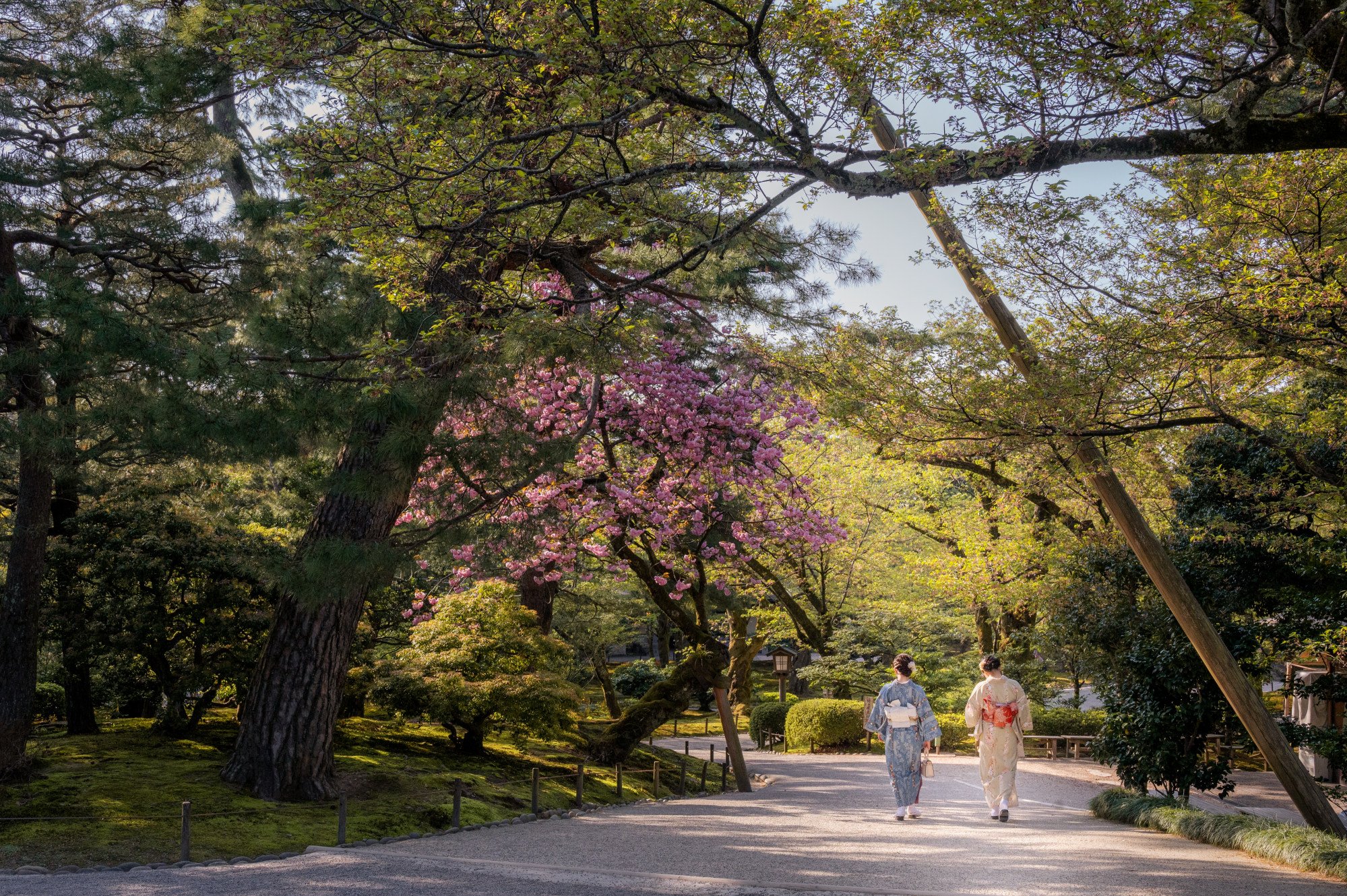
Kanazawa, located on Honshu Island, offers a unique experience during its shoulder seasons. These include late May, early June, early September, and early November. While visitors may miss out on the peak sakura (spring blossoms) and autumn foliage, they can still enjoy the city’s well-preserved Edo-period architecture and gardens such as Kenroku-en without the crowds typical of high season.
Shoulder-season weather tends to be cool and clear, making it ideal for hiking Mount Iouzen or strolling through the Teramachi Temple District.
Where to stay: OMO5 Kanazawa Katamachi by Hoshino Resorts, a modern hotel located in the bustling Katamachi district, known for its shopping, dining and nightlife. It is a five-minute walk from Kenroku-en Garden and the 21st Century Museum of Contemporary Art, the only guided tours of which are provided by the hotel. Guests are also offered free food culture tours.
High season: 12,000-16,000 yen (HK$600-HK$800) per room per night; shoulder season: 7,000-11,000 yen. Visit hoshinoresorts.com
Seoul, South Korea
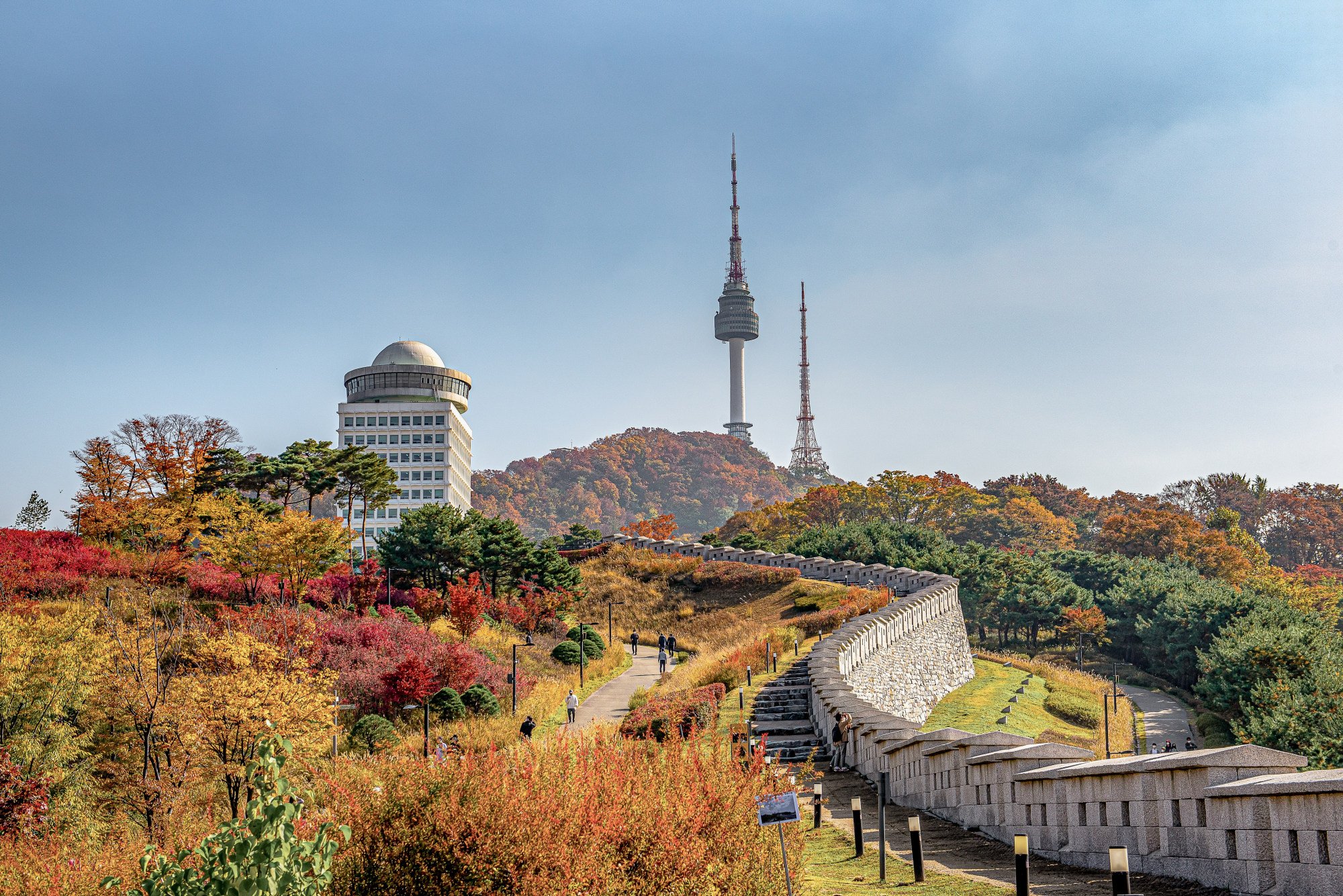
Seoul is another city where the timing of visits significantly affects visitor numbers. Peak crowds consist of cherry-blossom hunters in spring or autumn foliage enthusiasts, with the shoulder seasons largely defined around their comings and goings. Time a visit well, and you'll experience shorter queues at major attractions such as Gyeongbokgung Palace and N Seoul Tower, and a more local, relaxed atmosphere in neighborhoods such as Insadong and the Bukchon Hanok Village.
Where to stay: RYSE, Autograph Collection, an art-focused lifestyle hotel in the heart of the Hongdae district. A hub for creative types, its design features art installations, a 15th-floor rooftop bar - the Side Note Club - and rooms categorized as Creator or Editor, nomenclature chosen to stress the hotel's commitment to the arts and the creativity of Hongdae.
High season: US$250-US$400 per night; shoulder season: US$200-US$300. Visit rysehotel.com
Pattaya, Thailand
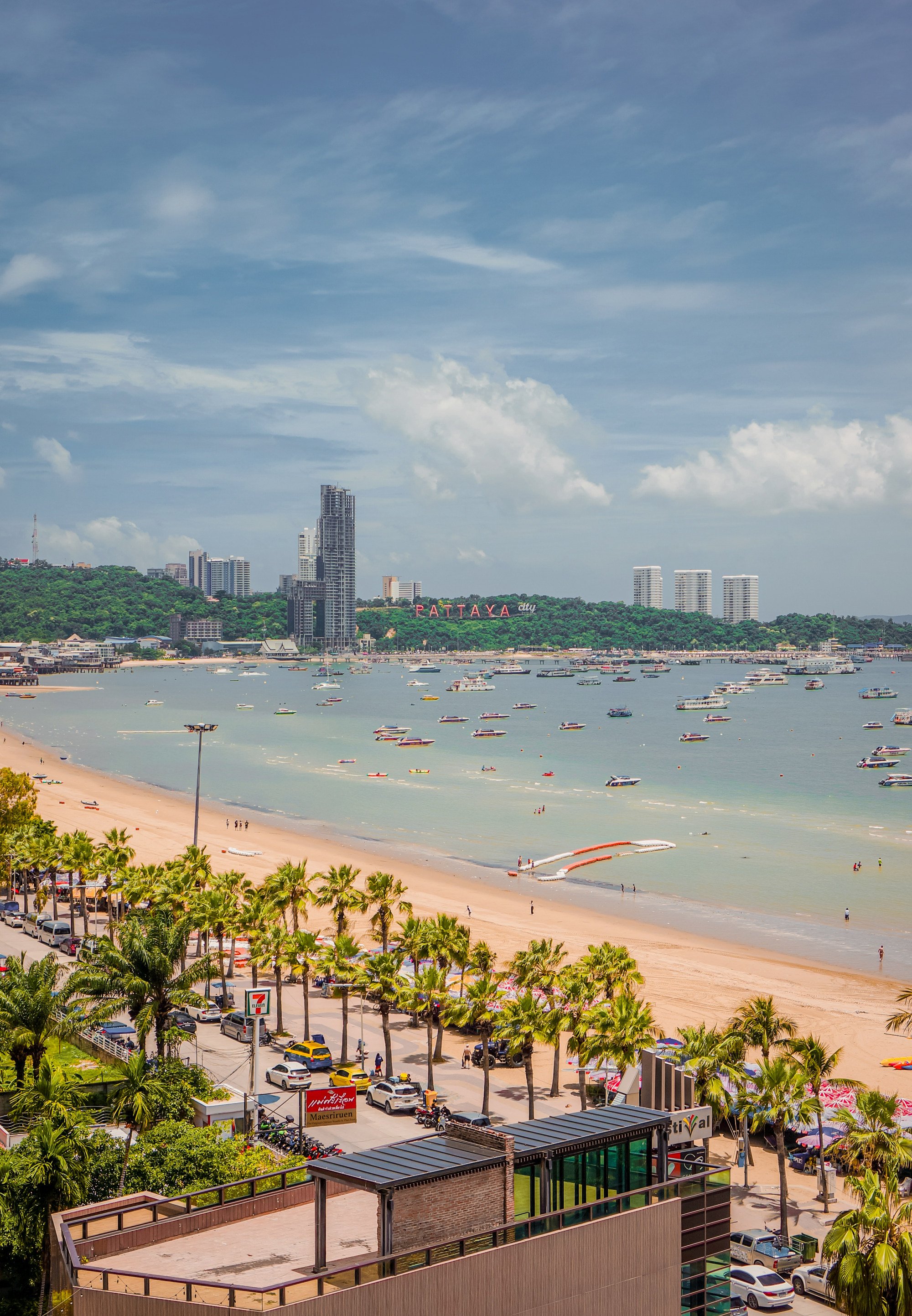
Pattaya, once synonymous with the seedier side of tourism, is emerging as a generally sought-after destination due to its accessibility from Bangkok and its beaches. The recent opening of the rebranded Columbia Pictures Aquaverse park and the Oxygen Beachfront Oasis restaurant and hang-out spot has contributed to this transformation. Perennially popular is the 240-hectare Nong Nooch Tropical Botanical Garden, 18km to the south of Pattaya City.
In beachside Thailand, the shoulder seasons are more clearly defined than in some other places, dependent as they are on holidays elsewhere in the world—China's Lunar New Year and "golden week", Christmas, New Year and European and Australian summer holidays all result in an influx—along with an obvious transition into the sweltering heat of summer or out of the heavy monsoon rain of early autumn.
Where to stay: The Standard, Pattaya Na Jomtien. The recently opened 161-room beachfront resort south of Pattaya City, on quiet Na Jomtien Beach, blends laid-back 1960s California surf-club vibes and a coastal Mexican spirit with music and a vibrant social scene. Look out for Mmhmmm, an adults-only cocktail bar, pool and mud lounge that is due to open at the end of this month.
High season and Songkran: 10,500-15,000 baht (HK$2,525-HK$3,590) per room; shoulder season: 5,500-8,000 baht. Visit hyatt.com
Jaipur, India
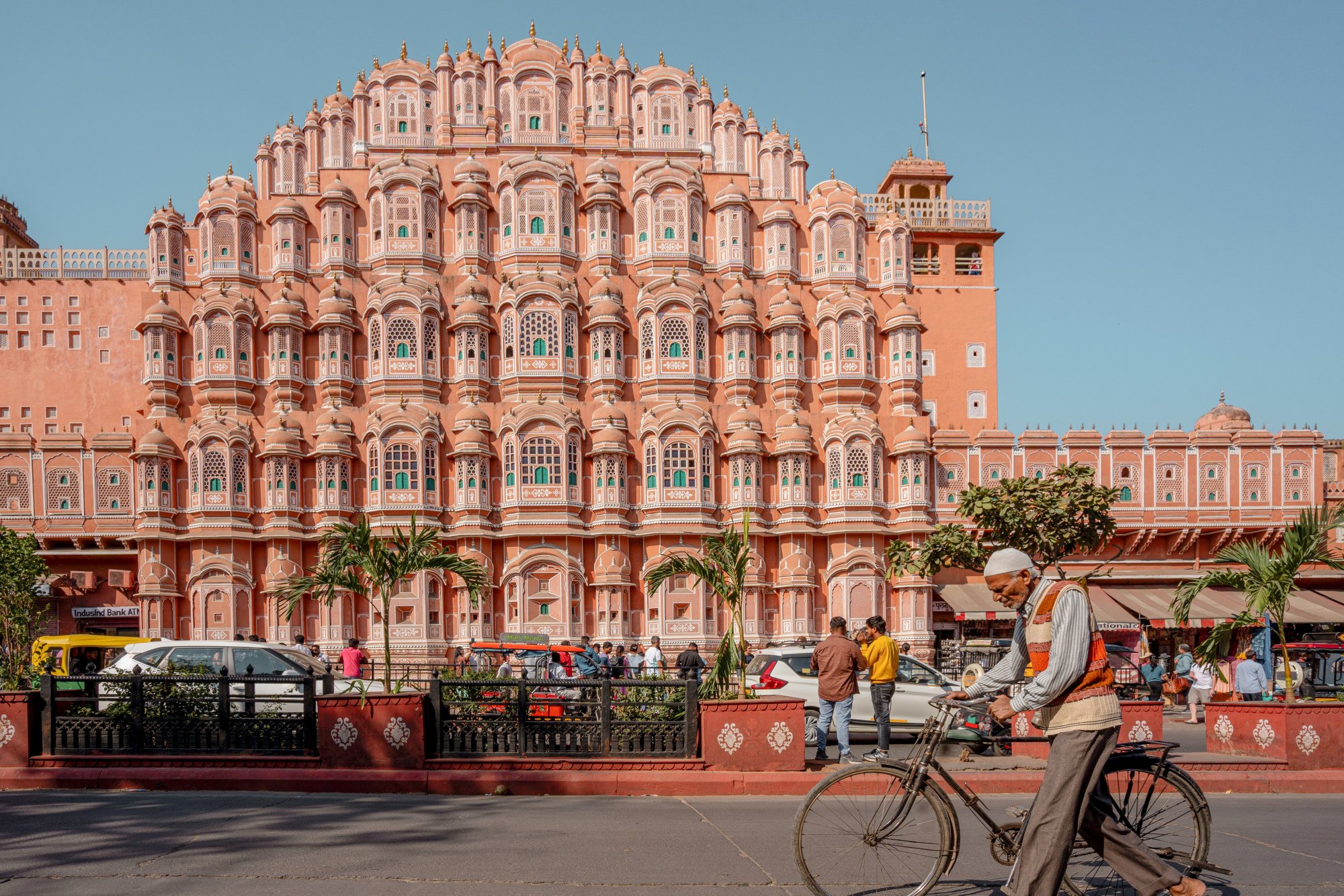
Jaipur, the capital of Rajasthan, sees its high season during winter (November to February), when mild temperatures provide the most comfortable climate for sightseeing and attending festivals such as the Pushkar Camel Fair and Jaipur's International Kite Festival. However, there's a sweet spot in the autumn when the monsoon rains have ceased and the weather transitions from hot and humid to comfortably warm while Rajasthan's desert landscape remains verdant.
March may sometimes see the beginning of the scorching summer heat, but the month is enlivened by a number of festivals, including Holi, the festival of colours, and the Gangaur Festival, a multiday event starting on March 21.
Where to stay: Fairmont Jaipur. Standing among the Aravalli Hills, it is marketed as a "palace hotel showcasing the regal splendour of Rajputana and Mughal architecture" but it is a modern build, albeit on the site of a hunting lodge that is thought to have dated back to the 18th century. A highlight is A Day in Chak Charanwas, a guest experience that begins with a village walk showcasing Gotta Patti and Zari embroidery followed by a demonstration by a local potter, a home-cooked lunch, a camel ride and a visit to a school.
High season: 20,000 to 35,000 rupees (HK$1,755-HK$3,070) per night; shoulder season: 15,000 to 25,000 rupees. Visit fairmont.com
The Greek Islands
Beyond Asia, perhaps the world's most noteworthy destination for the shoulder seasons are the Greek Islands. Like Pattaya and other destinations that rely on their beaches as a main attraction, tourist inflows to Greece are dictated largely by holidays elsewhere. The best time to visit the islands is during the autumn shoulder, when the intense heat of July and August is fading into sunny days with temperatures in the mid-20 degrees Celsius yet the sea is at its warmest, having been heated all summer.
Local rhythms have returned to something approaching normal after the cruise ships, party crowds and families with school-age children have mostly departed. The narrow streets, even on Santorini and Mykonos, become navigable and although the tavernas and shops that cater strictly to tourists start to close, those frequented by locals remain open, offering a chance to glimpse genuine island life.
In the spring, before the summer madness kicks into gear again, the countryside is lush from the winter rains, wildflowers are blooming and temperatures are warm but not scorching.
In both periods, accommodation and flights are well below summer rates and ferry tickets more readily available at the last minute, making island hopping more affordable and feasible for those of a spontaneous nature.
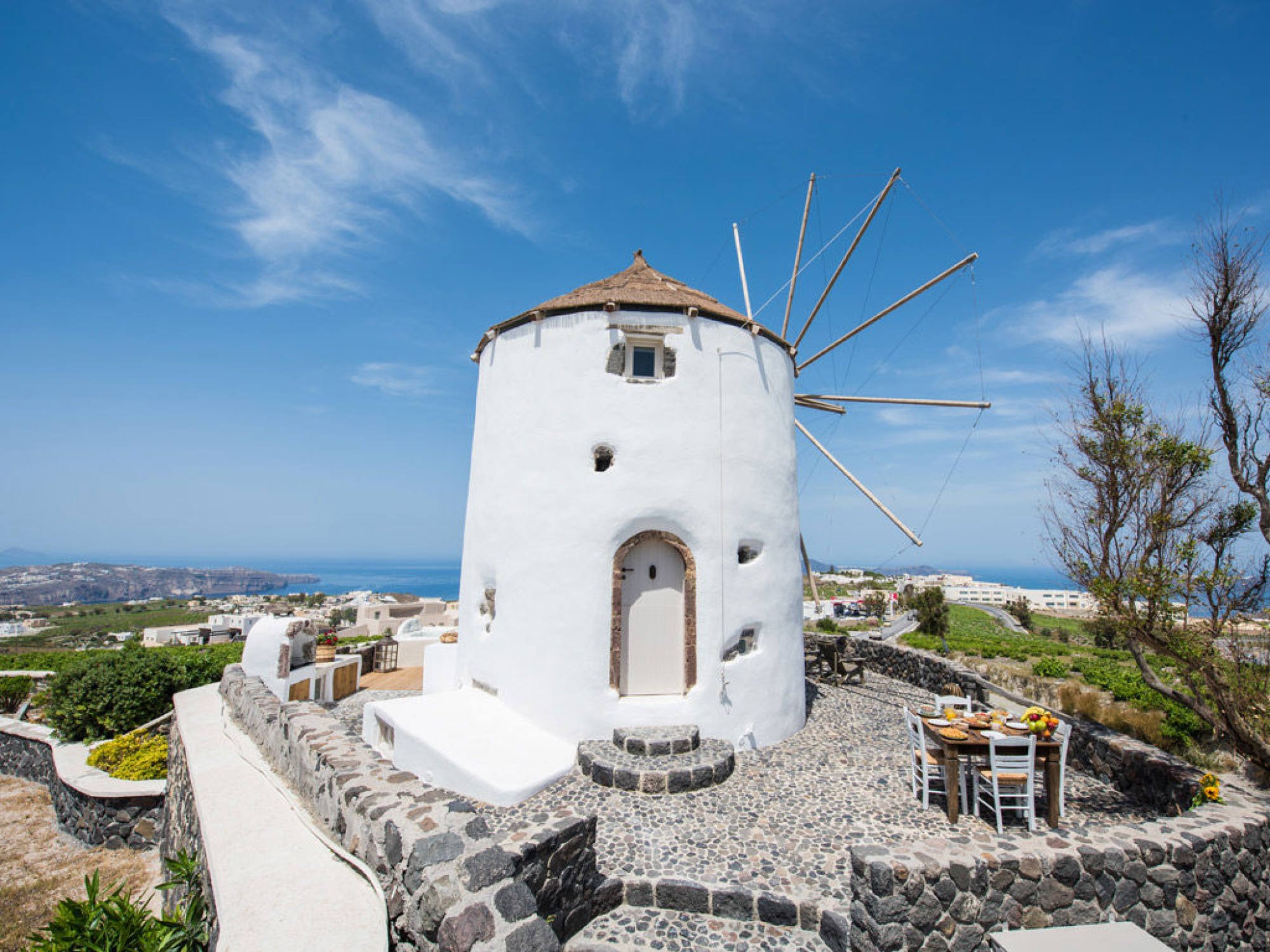
Where to stay: Anemoscope Windmill Villa, Santorini. Cycladic windmills—cylindrical, conically roofed, stone, whitewashed constructions complete with sails—are a common sight across Santorini, but some are newly built, constructed as accommodation to appeal to visitors' search for authenticity. Anemoscope Windmill Villa, though, is the real deal. One of five erected in the quiet village of Pyrgos in the early 1700s, it was restored after being damaged by an earthquake and can now be rented as a three-storey villa with panoramic views of the entire Santorini and the Aegean Sea.
High season: Euro650-Euro950 (HK$5,845-HK$8,540) per night, four nights minimum; shoulder season: Euro400-Euro600, two or three nights minimum. Visit anemoscopewindmill.com


Comments
Post a Comment