Feature: Cyber Threats Exploiting Social Media to Target Suicidal Teens
A Disturbing Case of Suicide Assistance in Japan
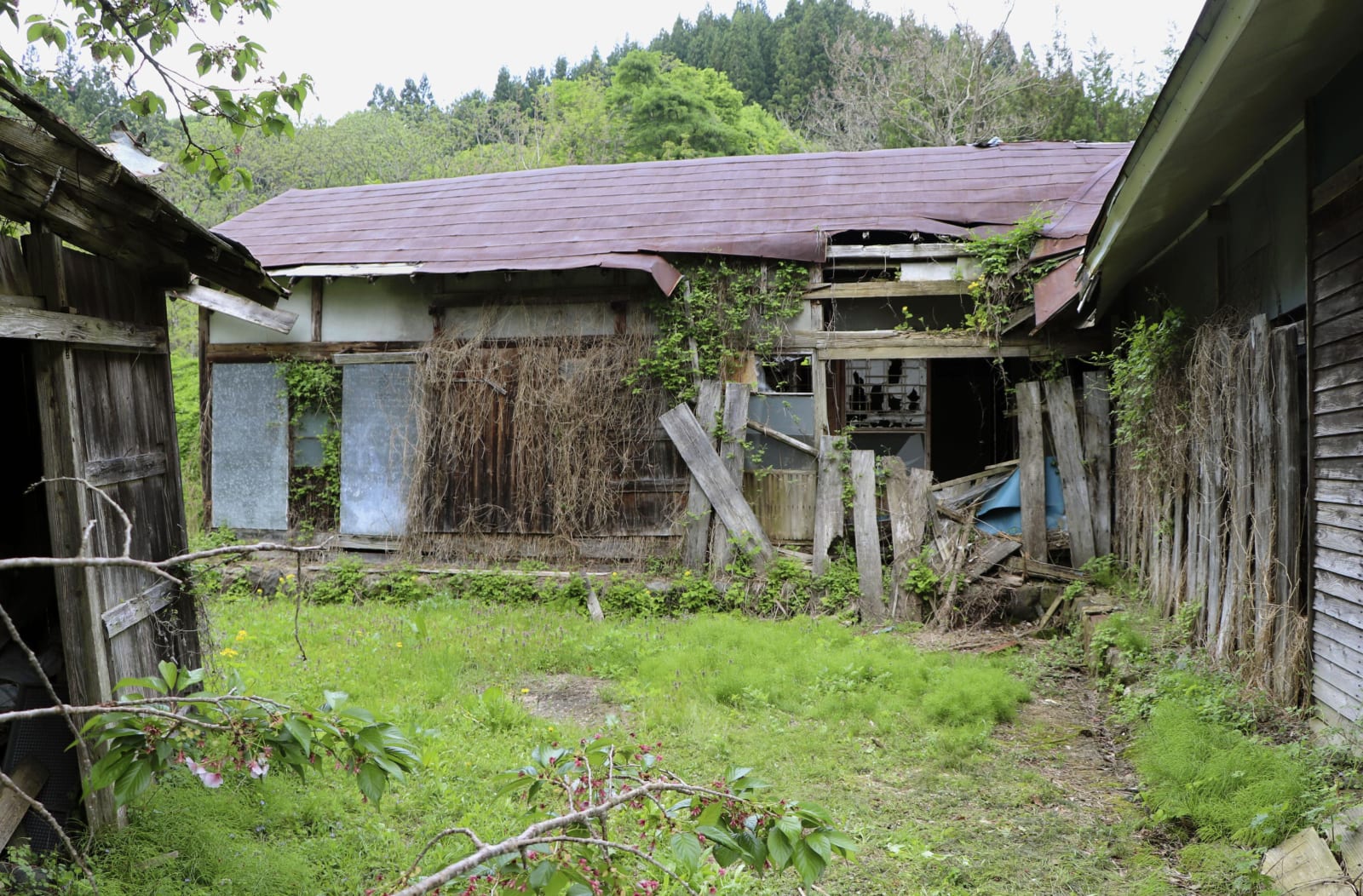
In September last year, a property owner in Kaminoyama, Yamagata Prefecture, noticed something unusual when he visited his vacant house in a mountainous area. A tent had been pitched on the premises, and upon approaching, he discovered a disturbing scene inside. The tent contained a dead body along with used charcoal briquettes, which are often associated with carbon monoxide poisoning. The victim was a teenage girl from Yamagata Prefecture.
The property owner’s son honked the car’s horn, but no one responded. When they opened the tent flap, they were met with a foul odor. This tragic discovery led to an investigation that revealed the girl had been taken from Yamagata City to Kaminoyama earlier that month and left there. The property owner expressed his sorrow, stating, "I feel pity for her because she was brought all the way here so she could die."
Hiroki Kishinami, a 36-year-old unemployed man from Fukushima, was arrested and indicted this year on charges including aiding and abetting suicide. According to the indictment, Kishinami is alleged to have assisted in the suicides of five individuals, including the girl from Yamagata. The other victims included a teenage girl and woman in her 20s from Fukushima, a man in his 20s from Miyagi, and a teenage boy from Saitama. All incidents occurred between June of last year and January of this year.
While one of the victims from Fukushima survived, the others did not. Additionally, Kishinami faced suspicion of abducting a high school girl from Tochigi Prefecture. His methods involved contacting young people who expressed a desire to die on social media and inviting them to commit suicide together. He would then move the conversation to private messaging apps to avoid detection.
Experts suggest that perpetrators like Kishinami often believe they are helping individuals who wish to die or have ulterior motives, such as sexual gratification. Kishinami was also charged with indecent sexual acts against a minor from Fukushima and stealing money from a woman in her 20s using her cash card.
The Role of Social Media in Suicidal Behavior
Jiro Ito, representative director of OVA, a Tokyo-based nonprofit that provides online counseling and works to prevent suicides, explains that young people often become vulnerable to such crimes through social media. "Unable to express their pain in real life, they gravitate toward messages that resonate with their suffering," Ito said. He emphasized that expressing the wish to die on social media is often a cry for help, and connecting victims with appropriate support services could make a difference.
This issue has historical precedents. In 2017, serial killer Takahiro Shiraishi, known as the Twitter killer, was arrested for luring people on social media to help them act out suicidal thoughts. He was convicted of killing nine people, including four teens, and was hanged in 2025.
In response to such cases, the Ministry of Health, Labor and Welfare launched a counseling service using social media in collaboration with private organizations in March 2018. By fiscal 2023, there were 275,270 consultations, with 70% of those seeking help being under 30 years old. Despite these efforts, OVA reported assisting almost 2,000 people in fiscal 2024, highlighting the need for more support.
Rising Suicide Rates Among Young People
Although overall suicide rates in Japan have declined from a peak of 34,427 in 2003 to just over 20,000 in 2024, there has been a troubling increase in suicides among younger individuals. According to data from the health ministry, suicides among females under 20 have surged, reaching 430 in 2024—exceeding the 370 for males. This marks the first time female suicides in this age group surpassed male suicides.
A research group including the National Center of Neurology and Psychiatry has characterized this trend as a "quiet crisis," urging society to address it. Social media companies have implemented measures such as displaying counseling hotlines and support information when users post or search for suicide-related content. However, many users employ coded language, making it challenging for prevention efforts.
Efforts to Combat the Crisis
IT journalist Yo Mikami suggests that more aggressive measures are needed for accounts attempting to meet individuals with suicidal thoughts in person or moving conversations to private messaging apps. Mariko Ukiyo, executive director of the Social Media Counseling Association, emphasizes the importance of creating a sense of belonging in the real world alongside social media counseling.
Ukiyo established an "idea high school," a correspondence support school, in 2022. Focused on supporting students who refuse to attend regular school, the program allows students to meet with counselors weekly either via social media or in person. Through small-group settings, students gradually build friendships and a sense of community.
"It's crucial to maintain connections with people you can talk to in a pinch, and when venting worries, choose someone whose identity is clear rather than an unknown account on social media," Ukiyo said.
Support Resources
Emergency service in Japan: 119
If you are having suicidal thoughts, help is available.
For Japan, call:
Yorisoi Hotline at 0120279338 (toll-free). Press 2 after the recorded message for consultation in English, Chinese, Korean, Tagalog, Portuguese, Spanish, Thai, Vietnamese, Nepali, or Indonesian. The service in these languages is also available on Facebook messenger.
For those outside Japan, you can find a list of other resources here.


Comments
Post a Comment