First Human Death from Unseen Virus Strain
First Human Death from Unseen Bird Flu Strain in Washington State
A resident of Washington state has become the first person in the world to die from a strain of bird flu that had never been seen in humans before. The patient, an older adult with underlying health conditions, was hospitalized earlier this month after experiencing symptoms such as high fever, confusion, and severe breathing difficulties. Officials confirmed through lab tests that the individual was infected with H5N5, a strain of bird flu that had previously only been detected in animals.
The person who died had a backyard flock of mixed domestic birds. They were initially treated by doctors in Grays Harbor County, approximately 100 miles west of Seattle, before being transferred to an unnamed hospital in King County for specialist care. At the time of their death, they were described as "severely ill."
The Washington State Department of Health issued a statement emphasizing that the risk to the public remains low. "No other people involved have tested positive for avian influenza," the department said. "Public health officials will continue to monitor anyone who was in close contact with the patient for symptoms to ensure that human-to-human spread has not occurred. There is no evidence of transmission of this virus between people."

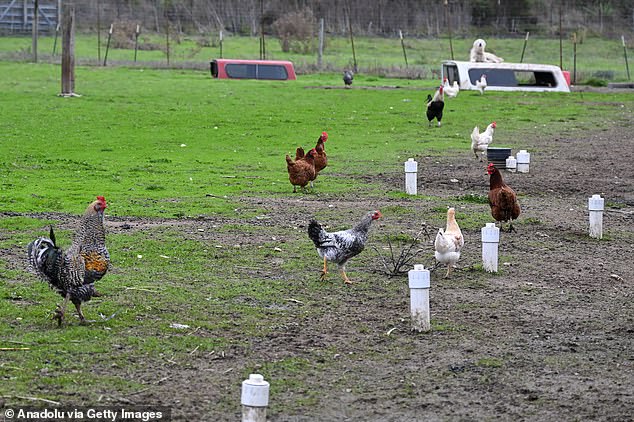
Further details about the patient, including their name, gender, age, and treatment, were not disclosed. It is unclear how the individual became infected, but officials believe it may be linked to exposure to wild or domestic birds. Avian influenza was detected in the patient's backyard poultry flock, which is considered the likely source of the infection.
Two of the birds in the flock died from an unknown illness a few weeks ago, while the rest of the birds remain healthy. Public health officials have followed up with individuals who had contact with the patient and tested those who showed symptoms. As of Friday, no additional cases of bird flu were detected.
It is possible to contract the virus after coming into contact with saliva or droppings from infected birds or handling the body of a bird that died from the virus. So far, all previously identified human cases have been linked to the H5N1 strain. However, experts note that the emergence of H5N5 in humans highlights the unpredictable evolution of the virus. Currently, there is no evidence that this strain is more infectious or severe in humans than other bird flu strains.


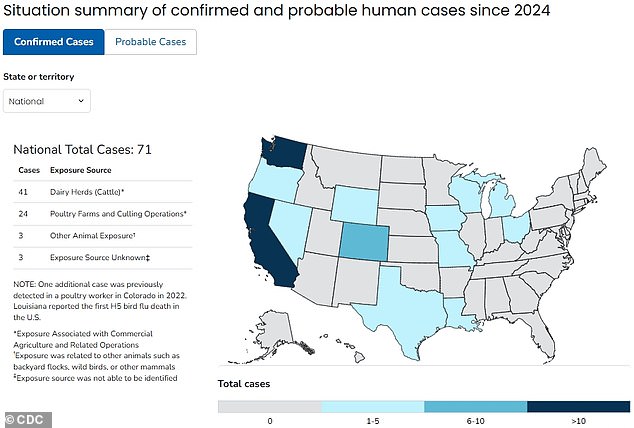
This case marks the first detection of bird flu in the United States in at least eight months and the first recorded instance in Washington state this year. Since the bird flu outbreak began in January 2022, a total of 71 people have been infected, with one fatality reported in Louisiana. Only four cases have been detected so far this year.
Officials have reiterated that the public risk remains low. Dr. Beth Lipton, the state’s public health veterinarian, stated during a press conference: "[H5N5] is not a new strain or completely new virus. It is just the first time we know of that it has infected a person."
The Washington State Department of Health revealed the infection with the new strain of the virus during a press conference on Friday. Dr. Angela Rasmussen, a virologist in Canada, warned on X: "It's not H5N1, it's H5N5, but that isn't a relief to me. It's a reassortment that put someone in the hospital. This is unpredictable. I hope epidemiologists are investigating to assess who else might have been exposed, so appropriate outbreak investigation and control can be applied."
Dr. William Schaffner, an infectious diseases expert in Tennessee, told Newsweek that infection with H5N5 bird flu is likely a rare event with limited implications for the general public. Since the bird flu outbreak began in 2022, most patients have been in California or Washington, with 39 and 15 confirmed or probable cases respectively.
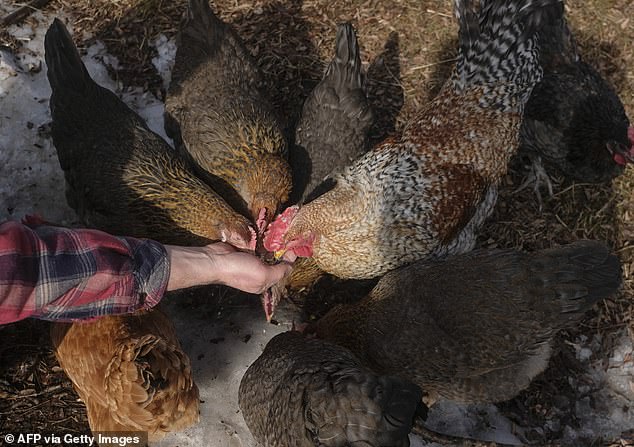
In most instances, infections have been linked to exposure to infected domestic poultry or dairy cows, which have also been affected by the virus. Bird flu has now been detected in every U.S. state since January 2022. An estimated 174 million wild and domestic birds have been impacted, along with over 1,000 dairy herds.
Since September, the virus has affected 7 million farmed birds nationwide, including 1.3 million turkeys, raising concerns about potential shortages for Thanksgiving. Experts warn that infections are more common during this time of year due to the migration of wild birds, which may carry the virus and spread it to new areas.
There are ongoing concerns that the virus could evolve to spread between humans, potentially leading to a new outbreak similar to the COVID-19 pandemic. The CDC states online that the risk to the public from bird flu remains low. It adds: "H5 bird flu is widespread in wild birds worldwide and is causing outbreaks in poultry and U.S. dairy cows with several recent human cases in U.S. dairy and poultry workers. While the current public health risk is low, CDC is watching the situation carefully and working with states to monitor people with animal exposures."
The CDC is using its flu surveillance systems to actively monitor H5 bird flu in people.


Comments
Post a Comment