Gwangju Seeks International Flights as Muan Closes
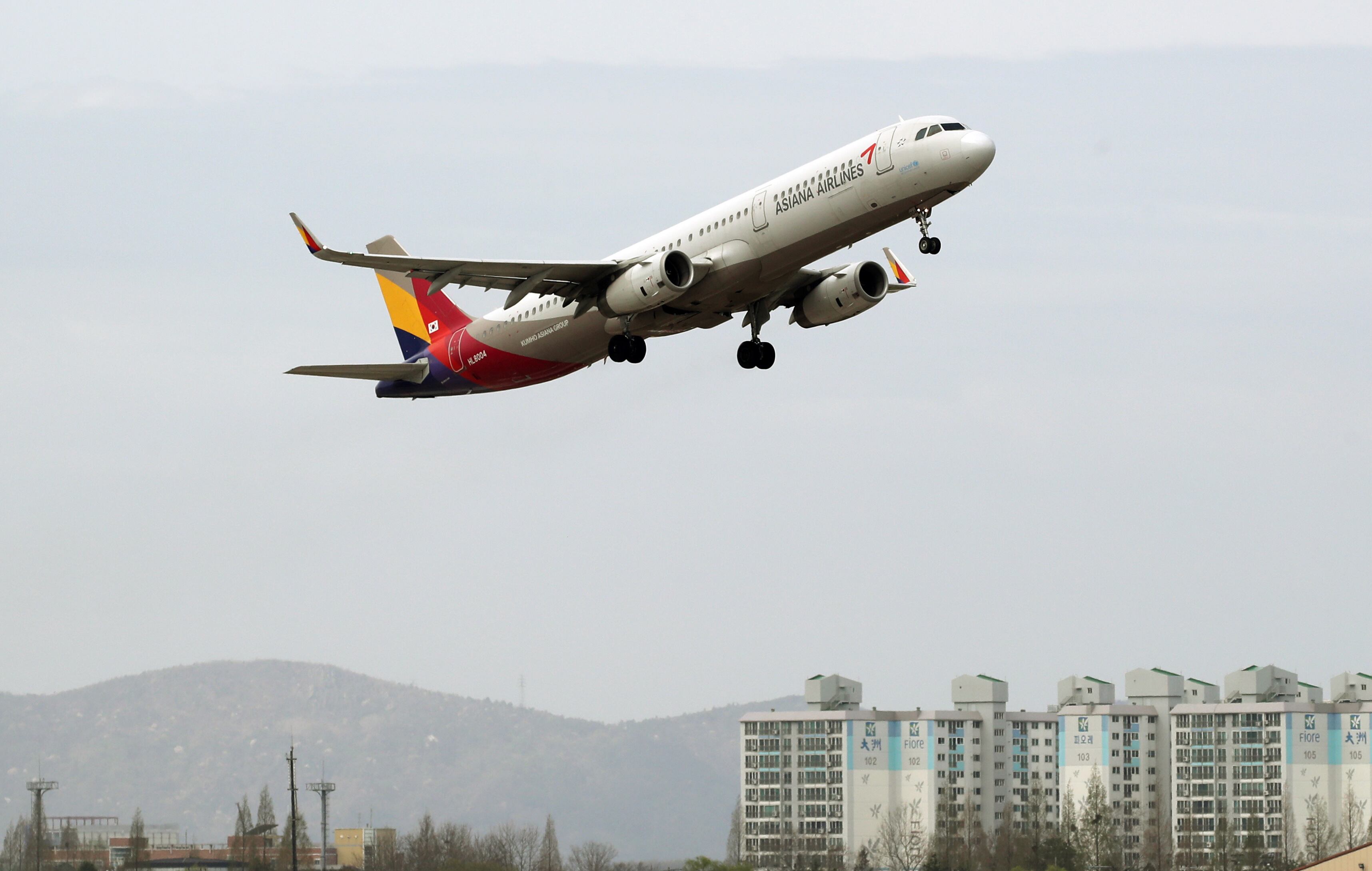
Gwangju City Reapply for Temporary International Flights
Gwangju Metropolitan City has re-applied to the Ministry of Land, Infrastructure and Transport for temporary international flights at Gwangju Airport. This move aims to address the disruption caused by Muan International Airport's halt in operations following the December 19 Jeju Air passenger plane disaster. The city announced on the 10th that it submitted the request today, seeking permission for temporary international flights at Gwangju Airport until Muan Airport resumes operations.
According to Gwangju City, the Ministry recently excluded Muan International Airport from its “2025 winter regular flight schedule.” As a result, no passenger flights will operate at Muan Airport until March of next year. The city explained that this decision has blocked air routes in the Honam region, significantly affecting the area’s air accessibility.
International flights to Japan and Southeast Asia at Gwangju Airport were suspended in November 2007 after Muan Airport opened. Since then, only domestic flights to Jeju and Gimpo have been operating. This marks the second time Gwangju City has requested temporary international flights at Gwangju Airport. In April, the city submitted a proposal to the Ministry of Land, Infrastructure and Transport, but it was rejected due to safety concerns and the need for significant budget investment if irregular international flights were allowed.
Gwangju City stated that although it has requested temporary international flights since last February, the Ministry maintained a negative stance, claiming Muan Airport could reopen this year (October). However, the Ministry has not provided a clear roadmap or measures for normalizing Muan Airport, raising concerns about potential delays in its recovery.
The city believes that, similar to the case of Ulsan Airport preparing for APEC, international flights could operate at Gwangju Airport after 4–5 months of preparation. However, the Ministry of Land, Infrastructure and Transport reportedly maintained its rejection, stating, “Please wait until Muan Airport resumes operations,” in response to Gwangju City’s re-application.
A source from Gwangju City mentioned that facility improvements, such as adjusting internal routes at Gwangju Airport, would require a budget of 400 million to 500 million Korean won to accommodate international flights. Additionally, the source added that Jeollanam-do has also requested permission for irregular international flights at Yeosu Airport during the “2026 Yeosu World Island Expo,” scheduled from September to November of next year.
Key Points of the Reapplication
- Background of the Request: Gwangju City is reapplying for temporary international flights at Gwangju Airport due to the suspension of Muan International Airport.
- Impact on Regional Accessibility: The exclusion of Muan Airport from the 2025 winter flight schedule has disrupted air routes in the Honam region.
- Previous Attempts: This is the second time Gwangju City has requested temporary international flights, with the first attempt in April being rejected.
- Ministry's Response: The Ministry of Land, Infrastructure and Transport has maintained a negative stance, urging patience until Muan Airport resumes operations.
- Facility Improvements: Adjustments at Gwangju Airport would require a significant budget, highlighting the financial challenges involved.
- Future Plans: Jeollanam-do is also seeking permission for irregular international flights at Yeosu Airport during the 2026 Yeosu World Island Expo.
Challenges and Future Outlook
Gwangju City faces several challenges in securing temporary international flights. The primary issue is the lack of a clear plan from the Ministry of Land, Infrastructure and Transport regarding the resumption of Muan Airport. Without a definitive timeline, the city is left in a difficult position, trying to maintain regional connectivity while waiting for Muan to recover.
The city's belief that international flights could operate after 4–5 months of preparation is based on successful examples like Ulsan Airport's APEC preparations. However, without concrete support from the ministry, these plans remain uncertain.
Additionally, the financial burden of upgrading Gwangju Airport's facilities cannot be ignored. The estimated cost of 400 million to 500 million Korean won highlights the need for substantial investment, which may not be feasible without government backing.
As the situation unfolds, Gwangju City continues to advocate for its request, emphasizing the importance of maintaining air access for the Honam region. The outcome of this reapplication could have significant implications for regional travel and economic activities.


Comments
Post a Comment