Han Dong-hoon Seeks 780 Billion Won Asset Seizures
The Controversy Surrounding the Daejang-dong Case
Former People Power Party leader Han Dong-hoon has raised significant concerns regarding the prosecution’s decision to abandon its appeal in the Daejang-dong case. On the 10th, he emphasized that the state should take legal action against several high-ranking officials, including Justice Minister Jung Sung-ho, acting Prosecutor General No Man-seok, and others. According to Han, these individuals are responsible for the loss of 780 billion Korean won in public funds, which was allegedly transferred to the Daejang-dong group.
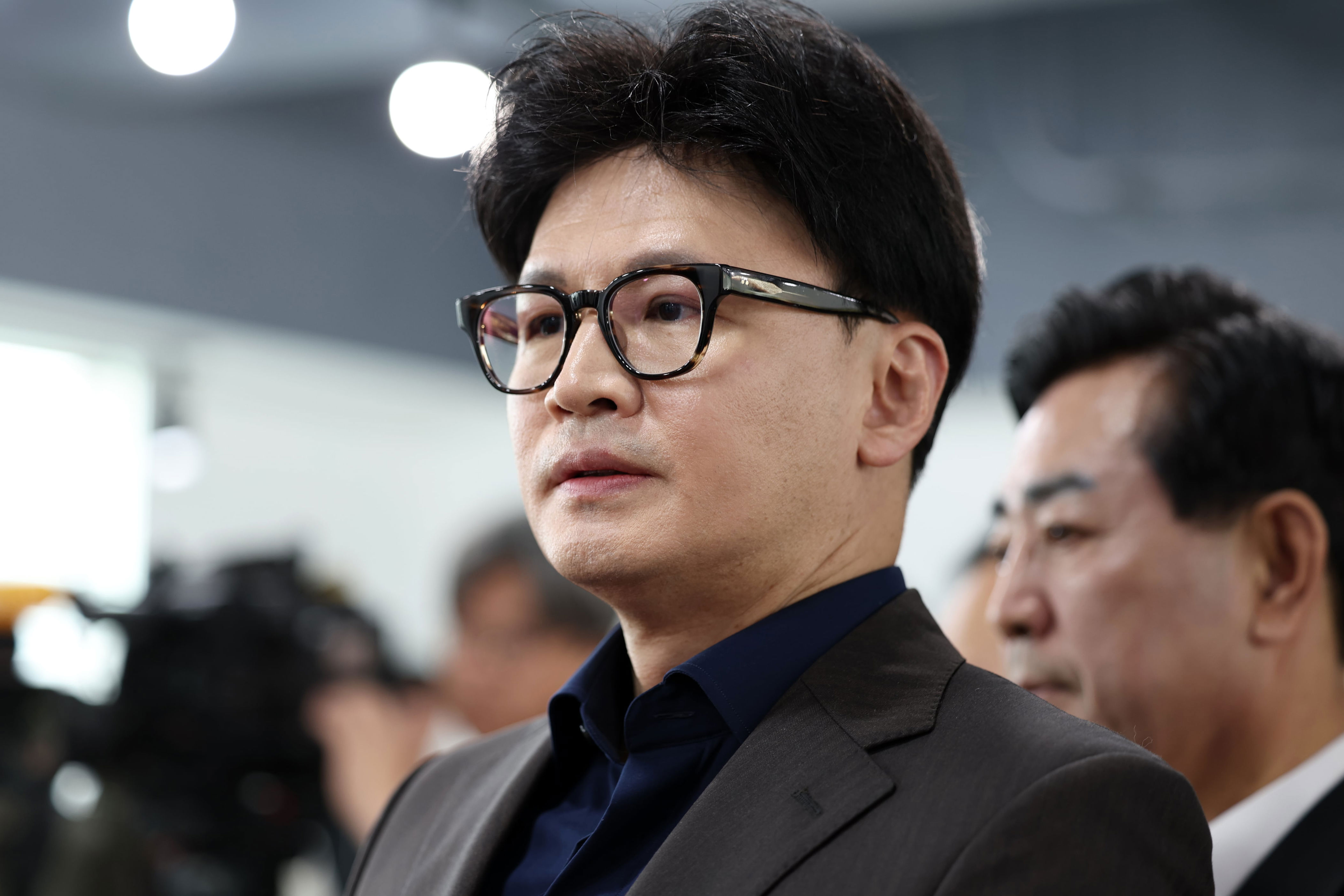
In a post on Facebook, Han expressed his frustration with the situation, stating that the officials involved should be held accountable. He called for the seizure of their assets and demanded that they repay the public funds they had mishandled. Han specifically mentioned Vice Justice Minister Lee Jin-soo, acting Prosecutor General No, Park Cheol-woo, and Jeong Jin-woo as key figures who were involved in the decision-making process that led to the loss of public money.
The Prosecution’s Decision and Its Implications
The Seoul Central District Prosecutors’ Office failed to file an appeal by midnight on the 7th, which marked the deadline for private developers in the Daejang-dong case. It was reported that the Ministry of Justice and the Supreme Prosecutors’ Office had instructed the investigation team not to proceed with the appeal. When questioned about this, acting Prosecutor General No responded with vague remarks, stating, “I will speak about it later.” This response drew criticism from Han, who pointed out that the prosecutor could not deny the existence of such instructions.
Han further highlighted the significance of the events surrounding the decision to abandon the appeal. He referenced a video that showed prosecutors failing to submit the appeal at the court registry, comparing their actions to the Wihwa Island retreat. Additionally, he mentioned another video that depicted Justice Minister Jung celebrating with chicken and beer while allegedly abandoning the appeal. According to Han, these incidents symbolize the death of the rule of law in South Korea.
Calls for Transparency and Accountability
Han urged the media and the National Assembly to obtain CCTV footage from the court and the restaurant where Justice Minister Jung was seen celebrating. He believed that releasing this footage would help the public understand the full extent of the situation. His comments underscored the need for transparency and accountability in the handling of public funds.
During an appearance on SBS Radio’s ‘Kim Tae-hyun’s Political Show,’ Han criticized the prosecution’s decision to abandon the appeal. He suggested that the decision could have been influenced by bribes, favors, or other improper motives. Han also addressed Justice Minister Jung’s previous remarks about restricting appeals and retrials, arguing that the minister’s use of the term “restriction” was misleading. He pointed out that completely banning appeals is not a valid form of restriction but rather an outright abandonment of legal procedures.
The Broader Impact on Public Trust
The controversy surrounding the Daejang-dong case has sparked widespread concern about the integrity of the judicial system and the accountability of public officials. Han’s statements reflect the growing frustration among citizens who feel that their trust in the government and the legal system is being eroded. The situation highlights the importance of maintaining transparency and upholding the rule of law in all aspects of governance.
As the debate continues, it remains to be seen how the authorities will respond to these allegations and whether they will take steps to restore public confidence. For now, the events surrounding the Daejang-dong case serve as a reminder of the critical role that accountability and transparency play in ensuring justice for all.


Comments
Post a Comment