HD Hyundai Lands Record 2.13 Trillion Won Ship Order
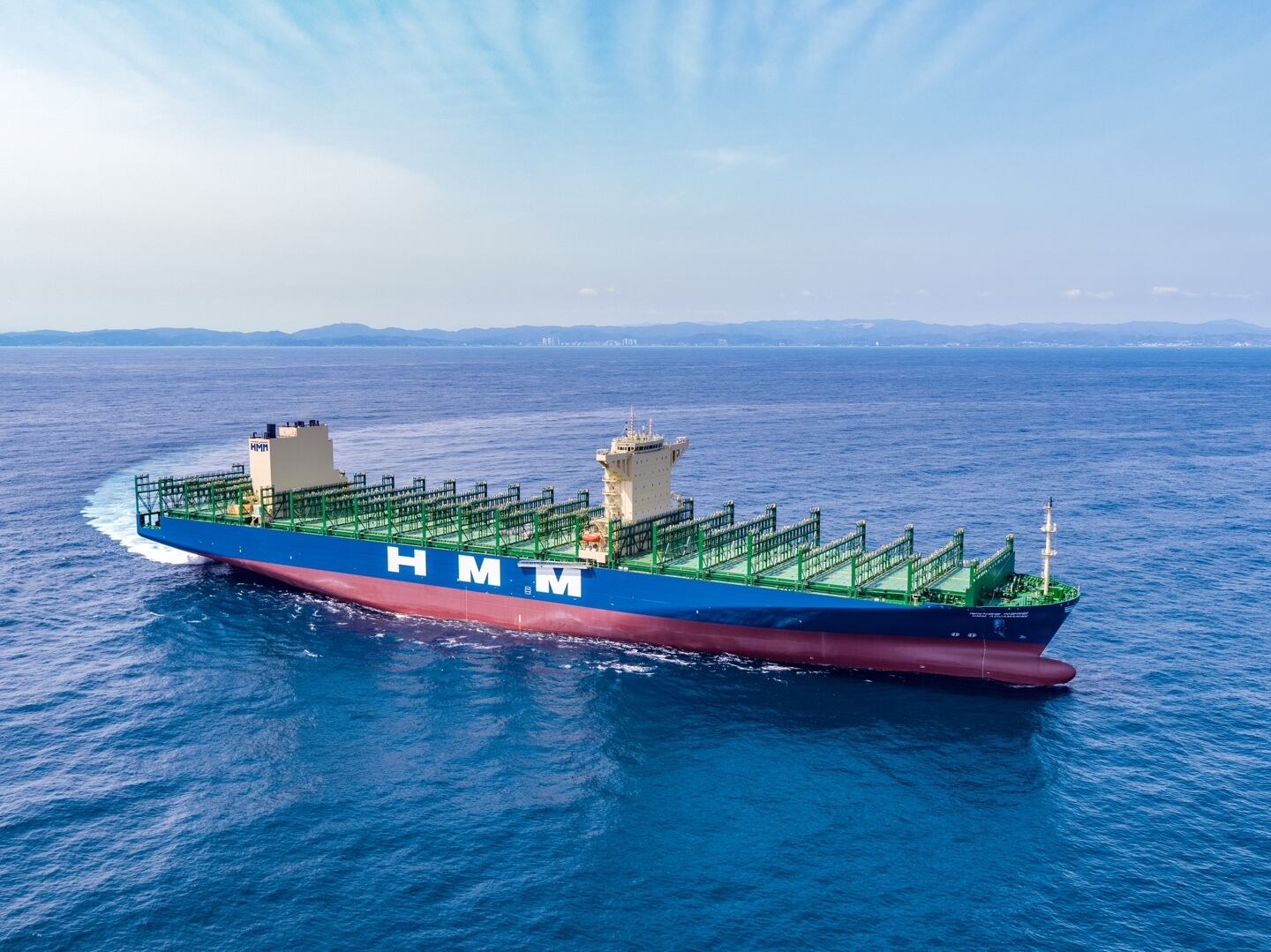
South Korea’s shipbuilding industry is witnessing a significant surge in demand for container ships, marking what many are calling a "container ship boom." This recent growth comes after the country's shipbuilders secured multiple orders for ultra-large container vessels, which play a crucial role in global trade by transporting standardized containers carrying consumer and industrial goods.
A few years ago, container ships were not a priority for domestic companies due to their relatively low profitability and stiff competition from Chinese manufacturers. However, the landscape has shifted dramatically, with a surge in orders driven by environmental regulations and the need to replace aging fleets.
Container Ship Orders Pouring In
On the 24th, HD Korea Shipbuilding & Offshore Engineering, a subsidiary of HD Hyundai, announced a major contract with HMM to construct eight 13,400 TEU (Twenty-foot Equivalent Unit) dual-fuel container ships. The total value of this deal amounts to 2.13 trillion Korean won. This order is the largest since the 2007 shipbuilding supercycle, highlighting the growing importance of container ships in the current market.
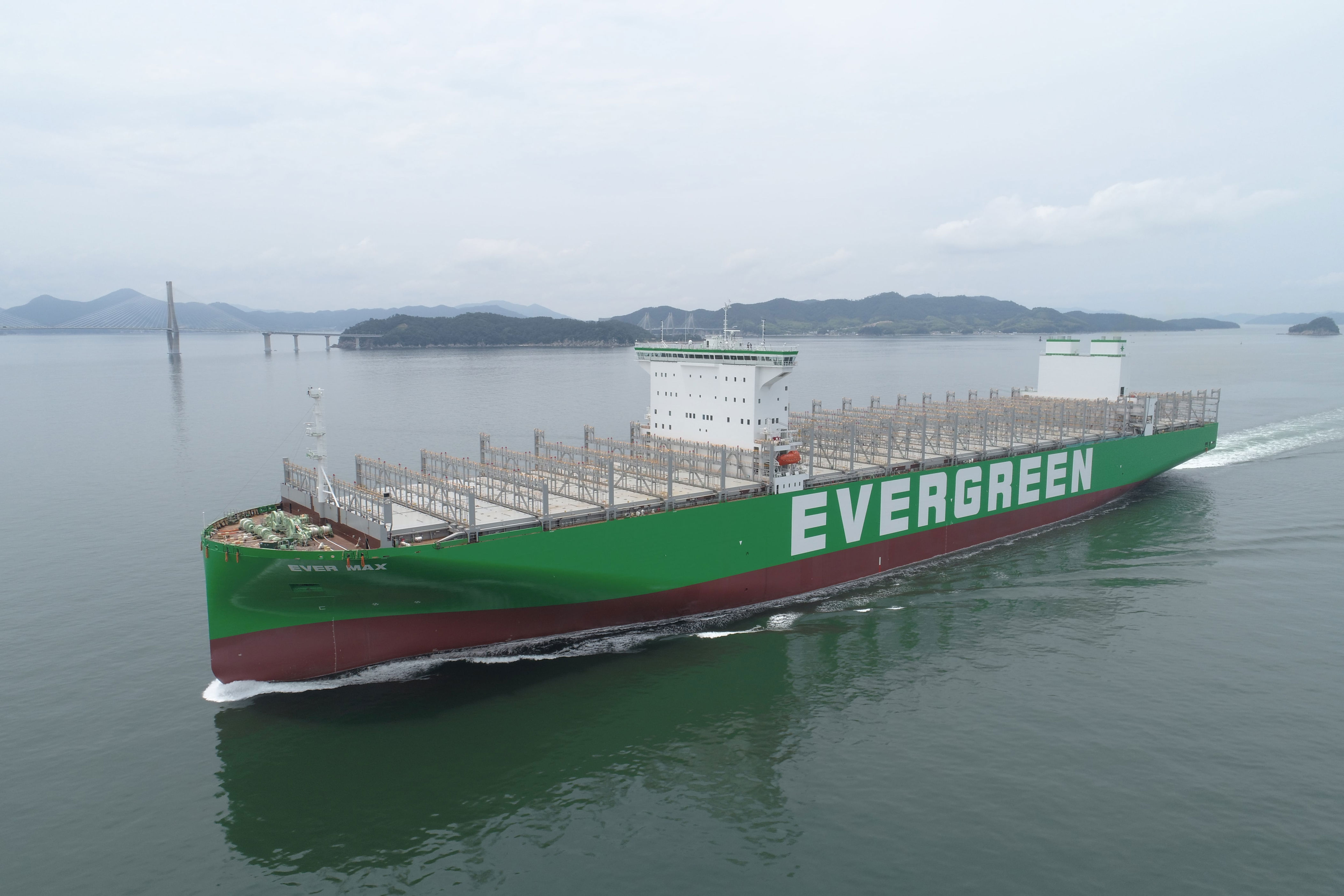
Samsung Heavy Industries also revealed on the 20th that it has secured a large-scale contract to build seven container ships for approximately 2 trillion Korean won. These vessels will be delivered sequentially by November 2029. The company reported that its orders for this year totaled $6.9 billion (around 10.13 trillion Korean won), with this contract accounting for about 10%. Hanwha Ocean also shared that 13 out of its 37 total ship orders this year are for container ships.
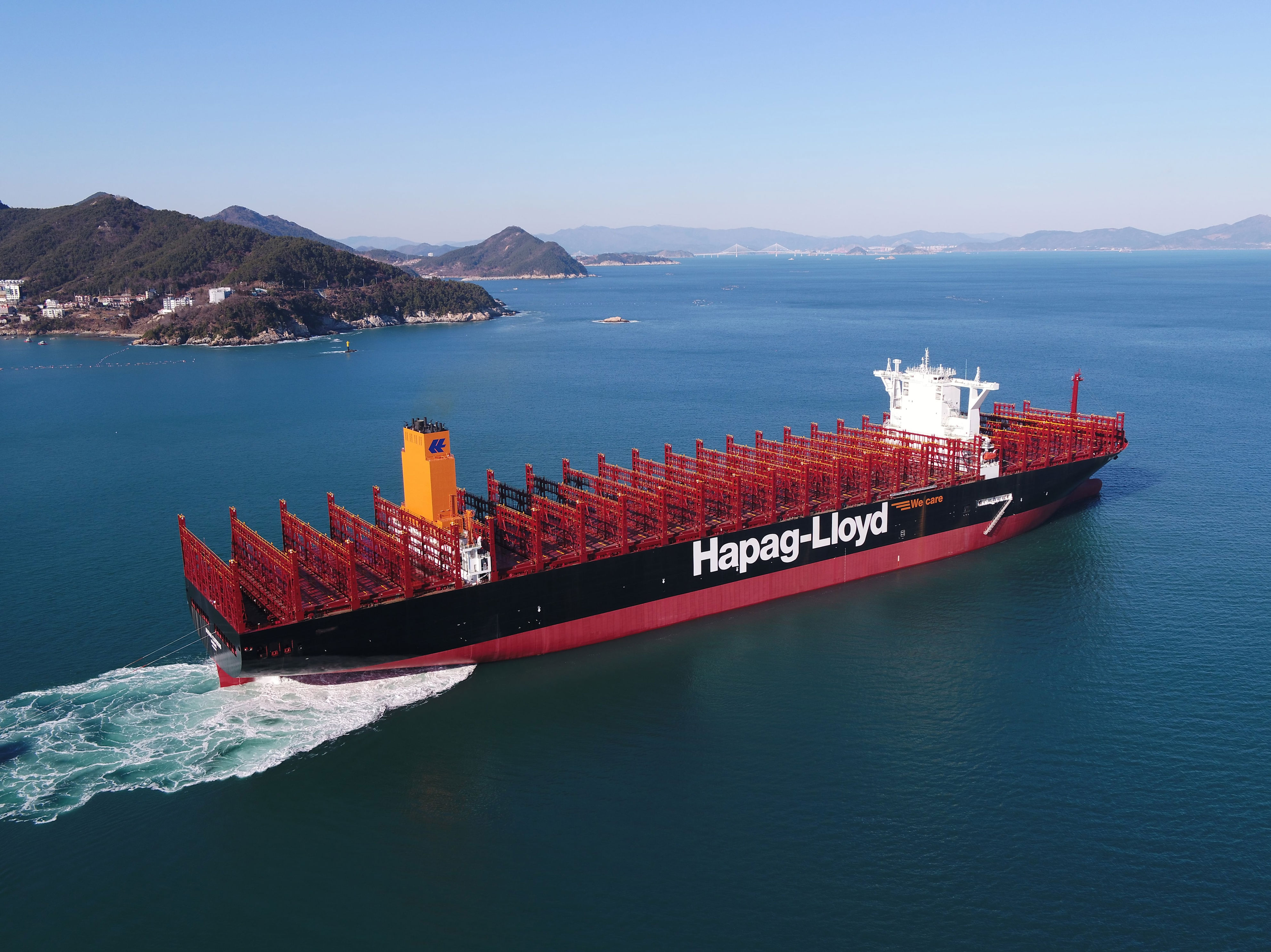
This year, while demand for LNG carriers—a key high-value segment for South Korean shipbuilders—has declined due to oversupply, container ship demand has seen a sharp increase. According to a report by the Export-Import Bank of Korea’s Overseas Economic Research Institute titled “Trends in the Shipping and Shipbuilding Industries in Q3 2025 and Outlook for 2026,” South Korea’s cumulative ship orders in the first three quarters of this year reached 7.34 million CGT, representing a 16.7% decrease from last year. However, container ship orders surged by 226.0% to 3.78 million CGT, while LNG carrier orders dropped by 63.6% to 1.47 million CGT.
Carbon-Intensive Ships Must Be Replaced
The increased demand for container ships among South Korean shipbuilders is largely attributed to international environmental regulations and geopolitical changes, including tensions between the U.S. and China.
The primary factor driving this shift is the push for eco-friendly regulations. The International Maritime Organization (IMO) plans to cut greenhouse gas emissions from ships by 20% compared to 2008 levels by 2030. Additionally, stricter fuel carbon regulations will apply to ships over 5,000 tons starting in 2027. Non-compliance could result in carbon taxes of up to $380 per ton of excess emissions. As a result, shipowners are accelerating the replacement of older, less efficient vessels with newer, more environmentally friendly options.
Political and trade dynamics are also playing a role. The U.S. is considering imposing entry fees on ships made or owned by Chinese companies. While Chinese shipyards previously dominated the container ship market, there is now a growing trend of shipowners turning to South Korean builders to avoid potential U.S. restrictions. This shift further reinforces the momentum behind South Korea’s container ship industry.


Comments
Post a Comment