HD Hyundai's 5,000th Ship Delivers Philippine Warship
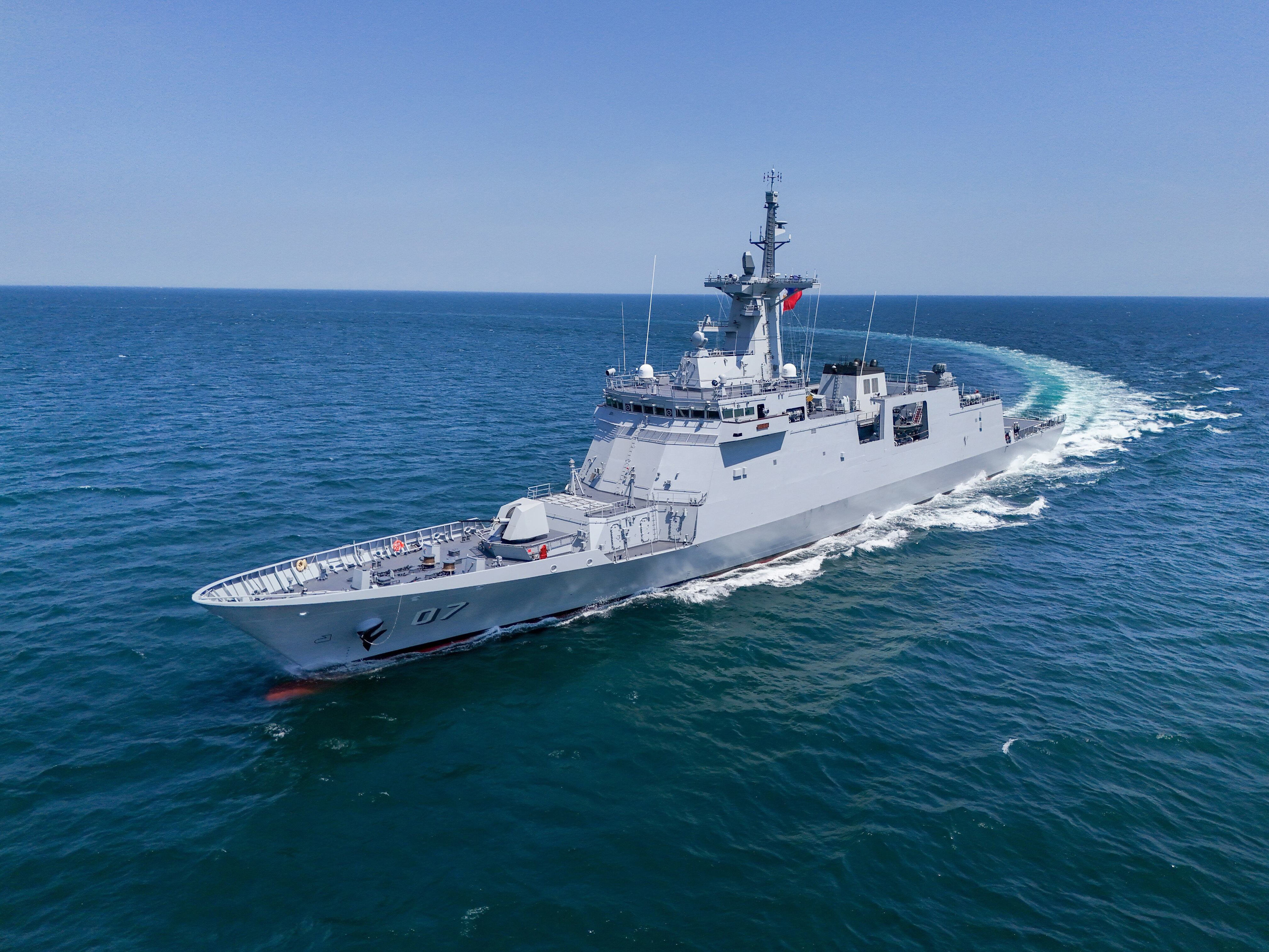
HD Hyundai Heavy Industries recently marked a significant milestone with the delivery of the second Philippine patrol vessel, the ‘Diego Silang,’ in Ulsan. This 118-meter-long warship represents not only a technological achievement but also a historical first for the company. It is the 5,000th vessel delivered by HD Hyundai since its inception in 1974, making it the first shipbuilding company in the world to reach this impressive number. This feat surpasses even the long-standing shipbuilding traditions of Europe and Japan, which have not yet achieved such a record.
To celebrate this momentous occasion, HD Hyundai held a commemorative ceremony on the 19th at its Ulsan facility. Attendees included key figures such as Chairman Chung Ki-sun, Park Dong-il from the Ministry of Trade, Industry and Energy, and Ahn Byung-gil of the Korea Ocean Business Corporation. Since delivering the 260,000-ton-class supertanker ‘Atlantic Baron’ in 1974, the company has supplied ships to over 700 shipowners across 68 countries. The breakdown includes 2,631 ships from HD Hyundai Heavy Industries, 1,570 from HD Hyundai Mipo, and 799 from HD Hyundai Samho.
If all 5,000 ships were lined up in one row, they would stretch an astonishing 1,250 kilometers—longer than the straight-line distance between Seoul and Tokyo, which is approximately 1,150 kilometers. Chairman Chung emphasized that these 5,000 vessels symbolize the pride of South Korea’s shipbuilding industry and reflect a history of overcoming challenges that have transformed the global maritime landscape.
◇The Miracle Begun with a 500-Won Bill
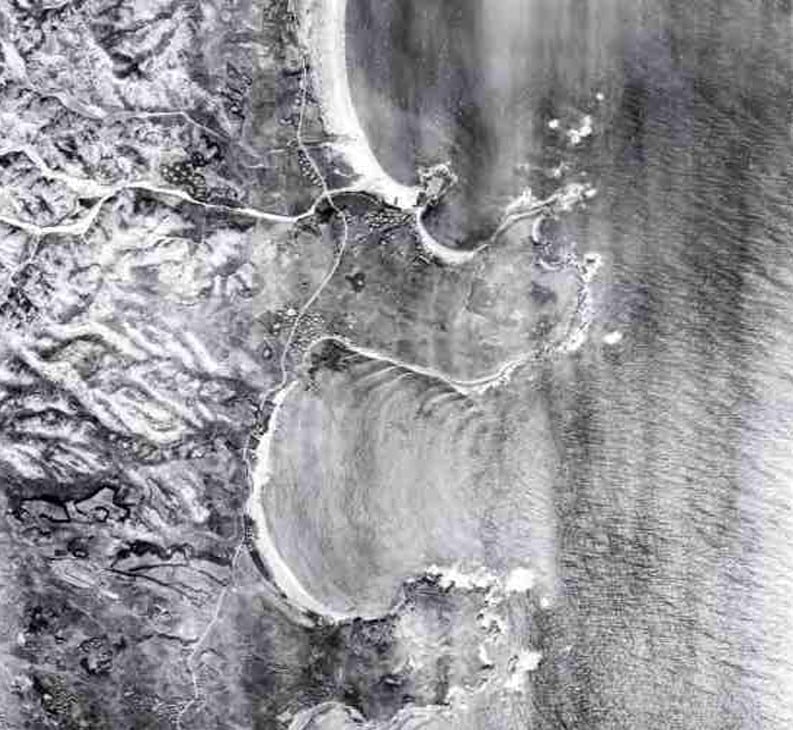
South Korea's shipbuilding industry traces its roots back to 1972 when the late Honorary Chairman Chung Ju-yung of the Hyundai Group envisioned building a shipyard in Ulsan’s Mipo Bay. At that time, South Korea's annual shipbuilding capacity was just 500,000 GT (gross tons), representing less than 1% of the global market share. The largest vessel built was 17,000 tons. The project was seen as a “reckless gamble,” with Japan even commenting that South Korea would be lucky to build 50,000-ton-class ships, noting that without sufficient technology, constructing large vessels would be impossible.
Despite the skepticism, Honorary Chairman Chung traveled the world with a photograph of the sandy beach at Ulsan’s Mipo Bay and blueprints of British shipyards. While seeking loans from the Bank of England, he even pointed to the ironclad turtle ship depicted on the 500-won bill, arguing, “South Korea built ironclad ships over 400 years ago.”
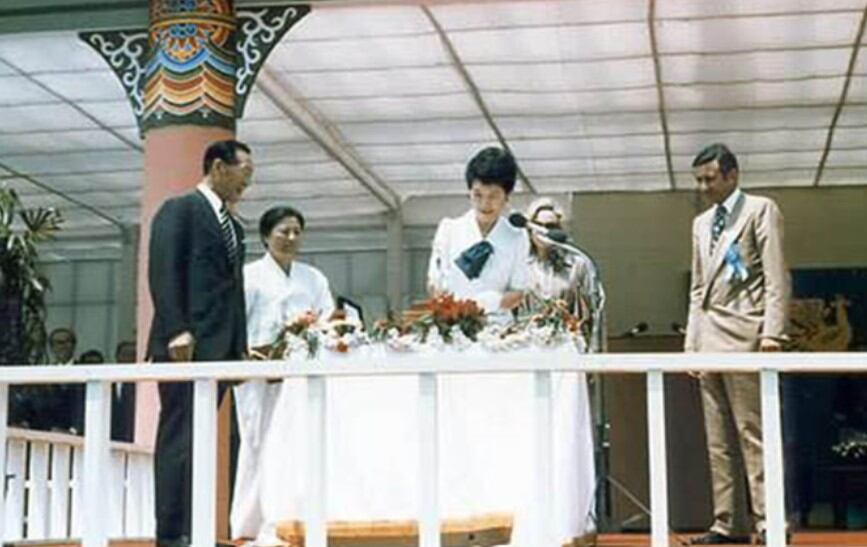
Construction of the shipyard began in 1972, and by June 1974, both the shipyard’s completion and the delivery of the first vessel were achieved simultaneously. This marked the first time in global shipbuilding history that a shipyard’s construction and shipbuilding occurred concurrently. President Park Chung-hee and his wife attended the event, declaring, “Today’s naming ceremony is a declaration of the development of heavy and chemical industries and a symbol of our nation’s leaping national power.” The first ship was named the ‘Atlantic Baron, Baron of the Atlantic,’ while the second was called the ‘Atlantic Baroness, Lady of the Atlantic.’
◇From Commercial Ships to Warships: From Fast Follower to First Mover
Over the past half-century, South Korea’s shipbuilding industry has evolved from being a “fast follower” focused on commercial ships like early oil tankers and bulk carriers to becoming a “first mover” leading the market. The fact that the 5,000th ship is a state-of-the-art warship, rather than a commercial vessel, symbolizes this transformation. The Korea-U.S. shipbuilding cooperation project, MASGA, is also gaining momentum.
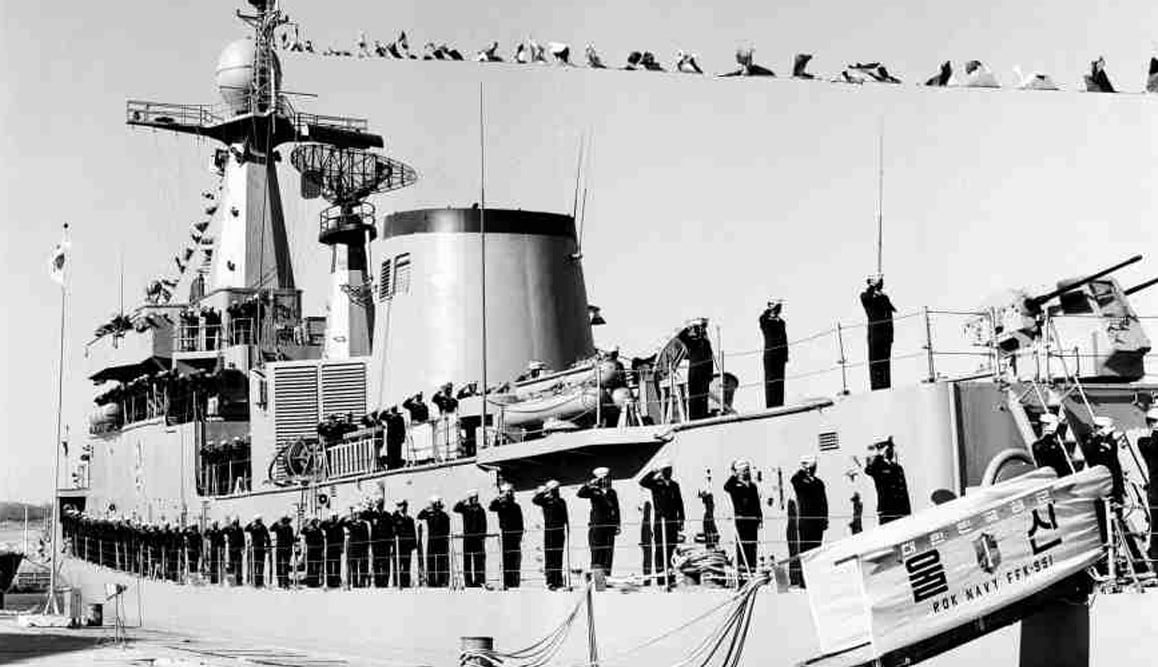
In 1975, HD Hyundai started developing the Ulsan-class, South Korea’s first domestically produced combat vessel. This was a bold challenge to secure warship technology while simultaneously building the shipyard. The lead ship, Ulsan, was launched in April 1980 and delivered to the Navy in 1981. This achievement was remarkable given the lack of prior experience in designing and building 2,000-ton-class warships at the time.
In the 2000s, the industry led the market for technology-intensive vessels such as ultra-large container ships and high-performance drillships. It has maintained global leadership in high-value-added ships like LNG carriers and container ships. Recently, it has also taken the lead in developing future technologies, including eco-friendly vessels and autonomous navigation systems.
According to industry sources, HD Hyundai is expected to solidify its position as the world’s top shipbuilder, as ranked by Clarksons Research, this year. Last year, HD Hyundai’s three shipbuilding affiliates delivered a total of 144 ships, including container ships and LNG carriers. Chairman Chung stated, “Based on our shared history of challenges, we will move toward the next 5,000 ships and another half-century.” To commemorate the occasion, HD Hyundai provided 300,000 Korean won gift certificates to employees of its shipbuilding affiliates and workers at partner companies.


Comments
Post a Comment