Huawei's Kirin 9030 Powers Premium Mate 80 Smartphones
Huawei Unveils New Mate 80 Series with Enhanced Performance
Huawei Technologies has recently launched its new Mate 80 series of smartphones, featuring the latest Kirin 9030 processor. This announcement marks a significant step in the company's efforts to bolster its position in the global smartphone market, particularly in light of ongoing challenges and restrictions.
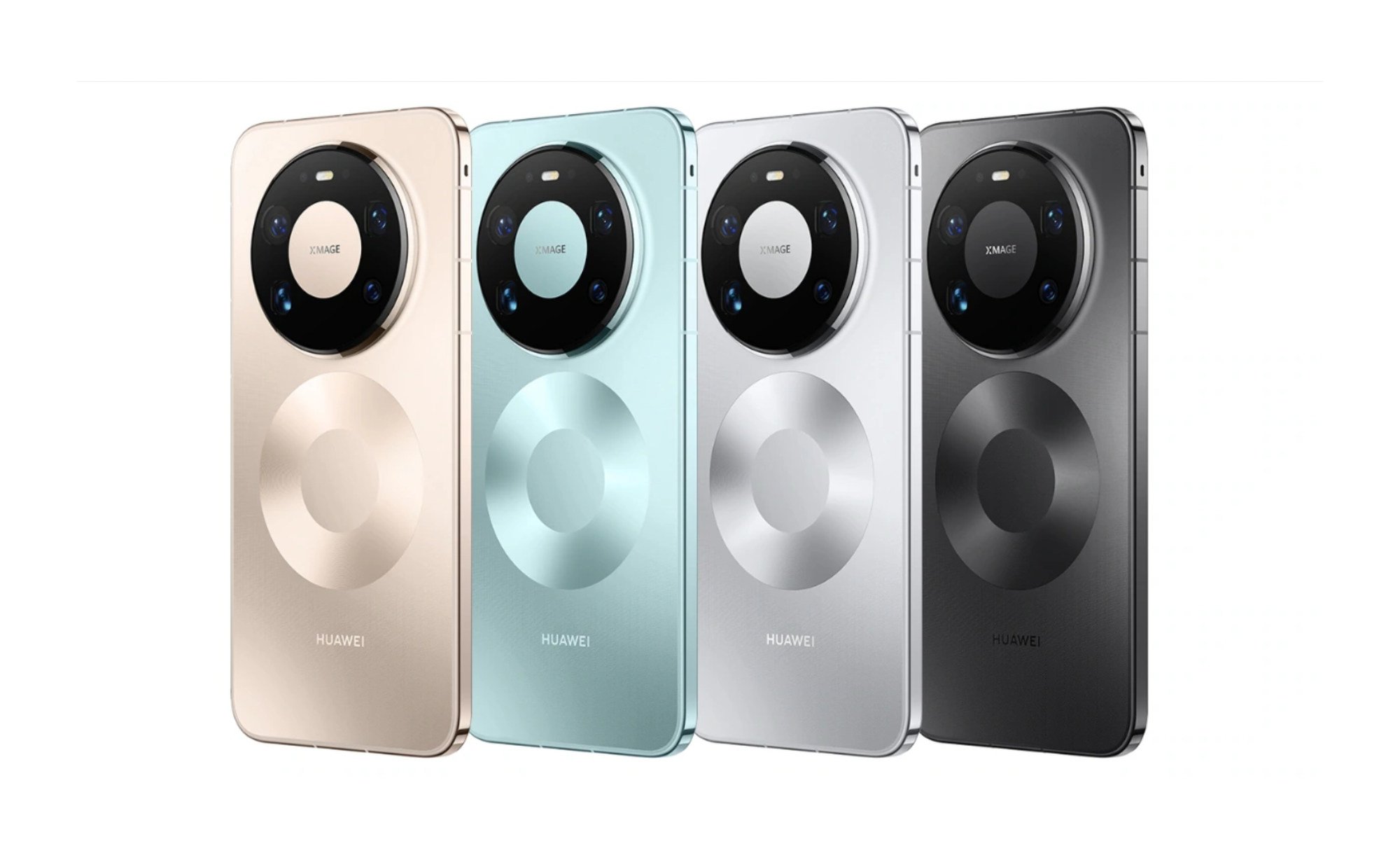
The new Mate 80 series includes several models, such as the basic Mate 80, Mate 80 Pro, Mate 80 Pro Max, and the Mate 80 RS. Each model is equipped with different versions of Huawei’s proprietary processors. The 12GB RAM version of the Mate 80 Pro uses the Kirin 9030 chip, while the 16GB RAM variants, including the Mate 80 Pro Max and Mate 80 RS, are powered by the Kirin 9030 Pro. In contrast, the basic Mate 80 model still relies on the older Kirin 9020 processor.
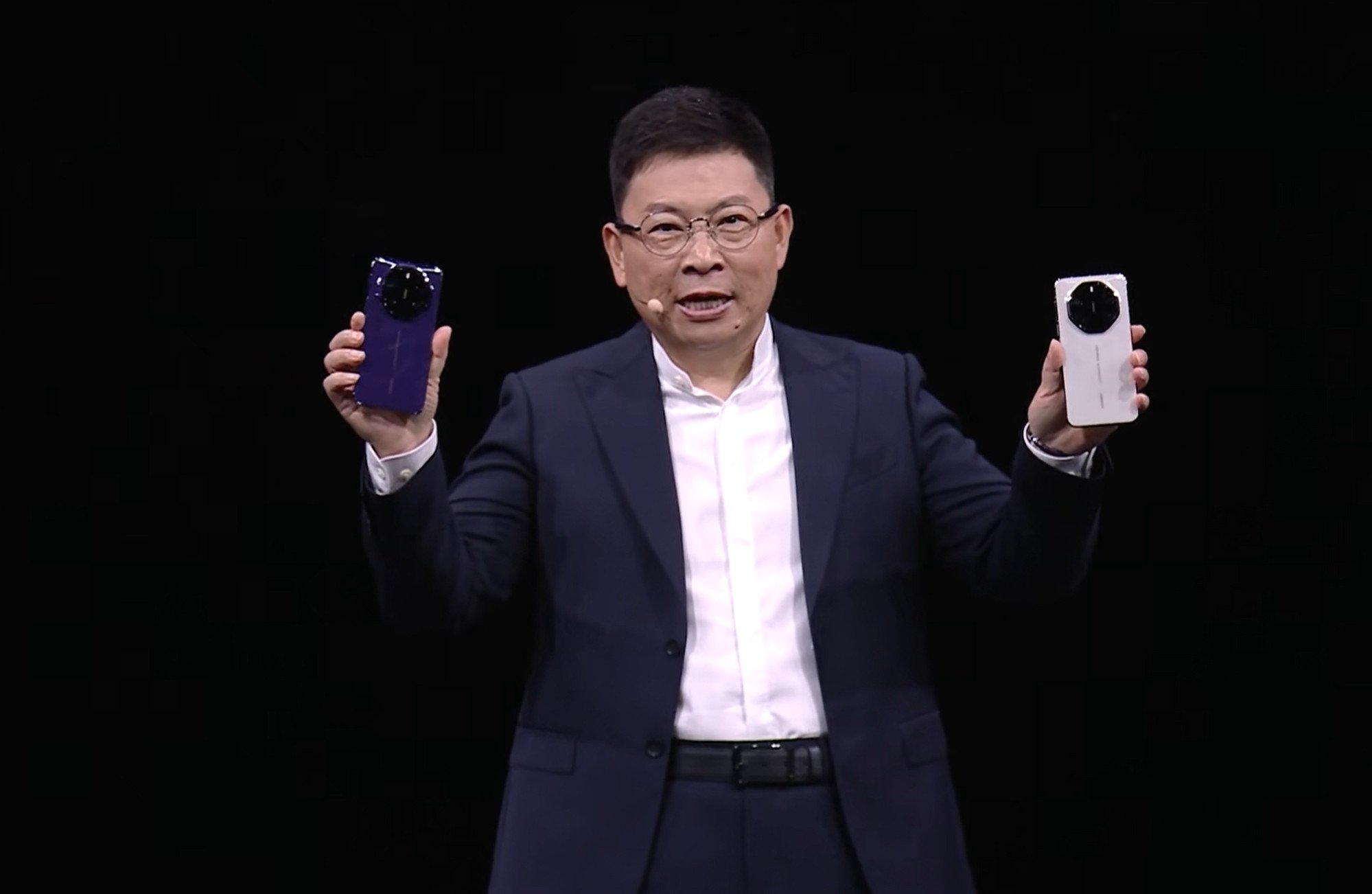
At the live-streamed launch event, Richard Yu Chengdong, chairman of Huawei's consumer business group, highlighted the performance improvements of the new models. He claimed that the Mate 80 Pro and Pro Max, which use the Kirin 9030 Pro processor, offer a 42% performance boost compared to the previous year's Mate 70 Pro+ model. Additionally, the 12GB version of the Mate 80 Pro, equipped with the Kirin 9030 chip, demonstrated a 35% improvement over the Mate 70 Pro.
Despite these claims, Huawei has not provided detailed specifications about the Kirin 9030 processor. However, the release of the new Mate 80 series aligns with recent speculation from Chinese media and tech blogs suggesting that the upcoming handsets would feature the self-developed Kirin 9030 chip.
This latest release comes after Huawei began to provide more information about its semiconductor design subsidiary, HiSilicon, in August. The company confirmed that the Pura 80 handsets run on the Kirin 9020 system-on-a-chip, and it also revealed that the Kirin 9020 powers its Mate XTs trifold smartphone, launched in September.
The new flagship handsets unveiled by Huawei include the basic Mate 80, Mate 80 Pro, Mate 80 Pro Max, and Mate 80 RS models, with prices starting at 4,699 yuan (US$661). The basic Mate 80 model, which features 12GB of RAM and 256GB of storage, is priced lower than the 5,499 yuan price tag on the Mate 70 model, which had similar memory specifications when it was launched a year ago.
In addition to the new Mate 80 series, Huawei introduced its latest foldable handset, the Mate X7, with prices starting at 12,999 yuan.
Intensifying Domestic Competition
The release of the new Mate 80 series is expected to intensify domestic competition in the Chinese smartphone market, especially as memory chip prices continue to rise. Rival brands are also adjusting their strategies in response to these challenges.
Xiaomi recently warned that higher handset prices may be necessary next year, following an increase in the cost of its entry-level Redmi K90 smartphone in October. According to company president Lu Weibing, Xiaomi plans to offset rising memory costs by optimizing its product mix and increasing the average selling price of its products.
Apple's China smartphone sales saw a significant surge in October, with a 37% increase compared to the previous year. This growth was driven by the latest iPhone 17 models, according to data released by Counterpoint Research. The iPhone accounted for one out of every four smartphones sold in China last month, marking the highest domestic market share for Apple since 2022.
Xiaomi captured the second spot in October for the first time in over a decade, with its 17 series driving a 7% increase in sales. Meanwhile, Huawei's handset sales fell by 19% in October, according to Counterpoint data.


Comments
Post a Comment