Inexperienced Ministers Undermine Lee's Housing Plans
The Pattern of Regime Change in South Korea
In November 1997, during a severe foreign exchange crisis, the South Korean economy underwent a major transformation following the U.S. capitalist model. As capitalism advanced, a new pattern emerged: changes in leadership often occur during economic crises. President Kim Young-sam, who was associated with the crisis, handed power to opposition leader Kim Dae-jung. Similarly, Presidents Roh Moo-hyun and Moon Jae-in passed on their roles to Lee Myung-bak and Yoon Suk-yeol, respectively, due to failures in real estate policies. While economic crises are not the only reason for regime change, many believe that a crisis inevitably leads to a shift in leadership. This perception has developed as voters become more sensitive to economic instability.
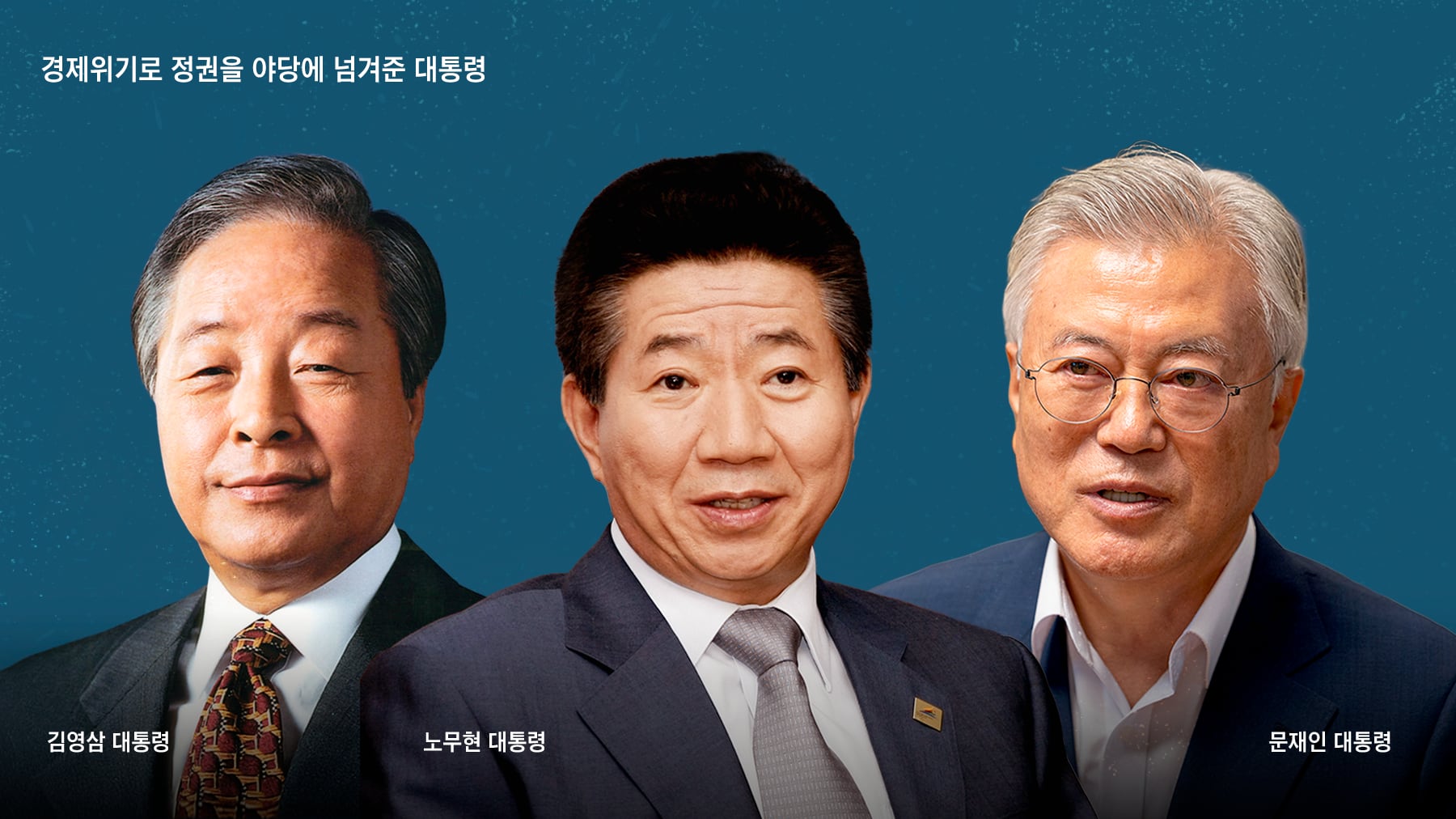
Analyzing the causes of regime changes reveals that there have been one foreign exchange crisis and two real estate crises. This highlights the critical role of housing in government transitions. Can President Lee Jae-myung escape this pattern? Experts doubt it. Housing policies take time to show results, so early action is essential. However, the ministers leading the relevant departments lack expertise in their fields.
Minister Koo Yun-cheol’s Lack of Tax Policy Knowledge
Since taking office in June, the Lee Jae-myun administration has introduced three housing stabilization measures, including loan regulations, supply plans, and expanded land transaction permit systems. Despite these efforts, Seoul’s housing market remains unstable. Transaction volumes have decreased, but apartment prices in premium areas like Gangnam’s three districts continue to hit record highs. Cash-rich investors still flock to these high-demand areas, ignoring government loan restrictions, as expected future returns remain high.
Experts argue that radical tax reforms are needed to lower investment returns. They suggest abolishing or overhauling the government’s tax reduction system (long-term holding special deduction) and gradually increasing holding taxes. However, the prospects are dim. Minister Koo, responsible for tax policy, is not a tax expert.
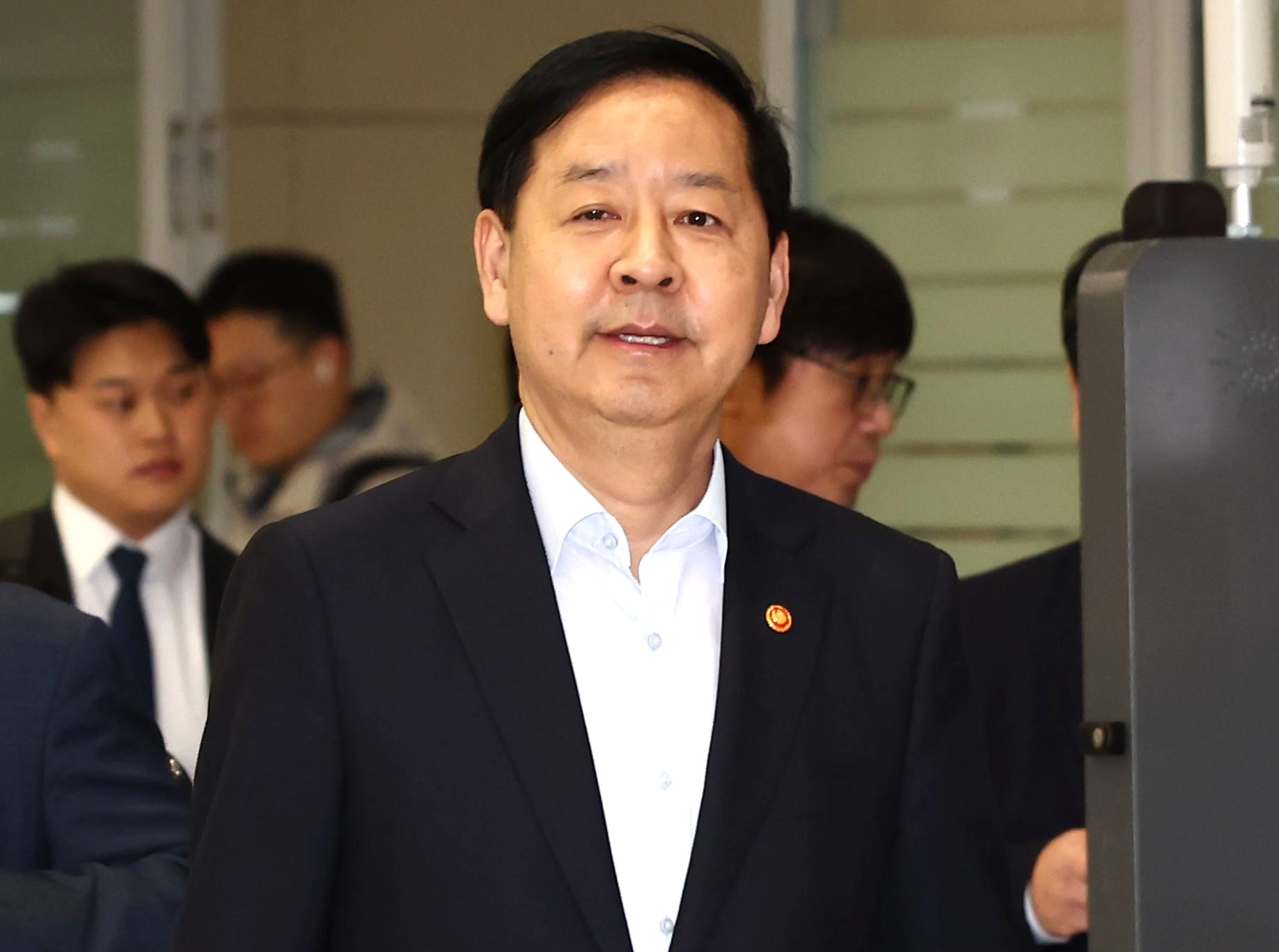
Minister Koo has extensive experience in budgeting but spent only about a year in the tax policy division early in his career. Tax experts view him as having virtually no tax policy experience. Tax law and budget execution differ significantly in legal frameworks and implementation. A former tax official noted, “Tax law is complex and sensitive, with strong public resistance, making it difficult for inexperienced individuals to drive institutional reforms with new ideas.”
Minister Koo’s recent remarks also reveal his unfamiliarity with tax policy. During a visit to Washington, D.C., on October 19, he stated, “Low holding taxes and high capital gains taxes discourage selling homes.” However, the current distortion—where investors prioritize “one solid property”—stems from excessively low capital gains taxes due to government tax cuts. Even with threats to expand land transaction permits and raise holding taxes, cash-rich buyers target premium high-end homes because households owning one home for over 10 years pay almost no capital gains tax.
For example, if a 3-billion-Korean-won apartment appreciates to 6 billion won over 10 years, the owner gains roughly 3 billion won in profit. Raising annual holding taxes from 20 million to 50 million won still allows investors to borrow against the 300-million-won increase over a decade to secure a 3-billion-won gain. Who wouldn’t go all out to secure loans, using one’s soul as collateral? Even multi-homeowners benefit from eased capital gains tax penalties under the Yoon Suk-yeol administration. Minister Koo’s remarks, suggesting that raising holding taxes and lowering capital gains taxes would solve the issue, fail to address the core problem.
Minister Kim Yun-duk’s Inexperience in Housing Supply
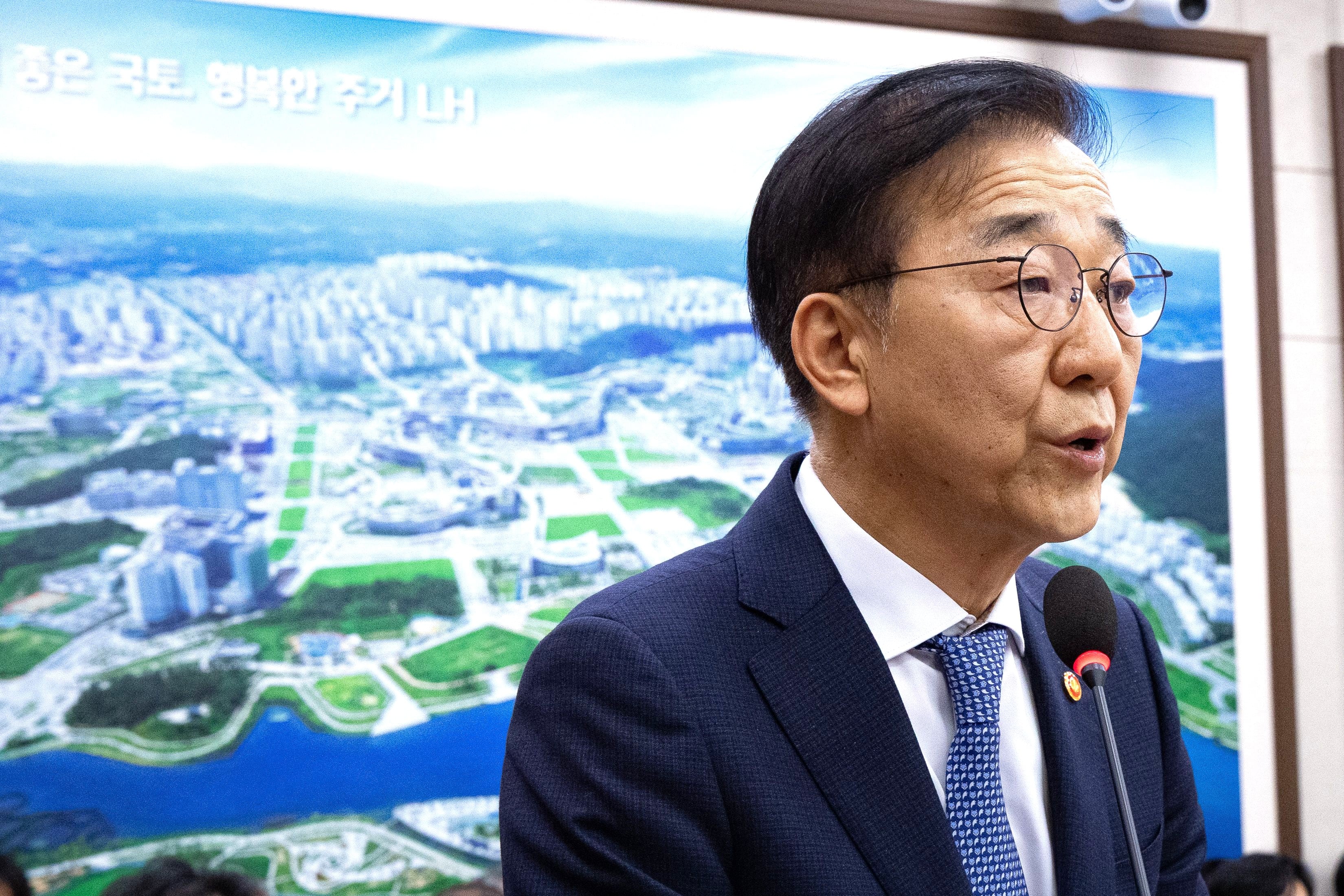
The most fundamental solution to stabilizing housing prices is expanding supply. However, Minister Kim Yun-duk of the Ministry of Land, Infrastructure and Transport has minimal experience in housing supply. His only relevant background is serving on the National Assembly’s Land, Infrastructure and Transport Committee for two years as an opposition member. He criticized ministry officials but never designed or executed supply plans. Fresh ideas from him are thus unlikely.
Minister Kim’s September housing supply plan disappointed the market and paradoxically triggered price surges. The government’s rushed designation of 12 Seoul and Gyeonggi areas as land transaction permit zones on October 15 worsened the situation. On November 10, Minister Kim hinted at additional measures, stating, “Detailed plans for where to build in Seoul are underway.” Yet, few expect his policies to stabilize the market. Radical supply expansion—such as redeveloping northern Seoul, relocating Seongnam Airport, or lifting greenbelt restrictions—requires decisions beyond his experience and leadership capacity.
President Lee Jae-myung’s Personnel Failure
Ministerial roles in economic policy are pivotal. A former economic minister emphasized, “Everyone in the ministry is my assistant—my decisions matter most.” Another minister who succeeded in tax reform recalled, “I scolded resistant senior officials and directed junior staff to revise tax clauses. Without long-term tax policy experience, this would have been impossible.”
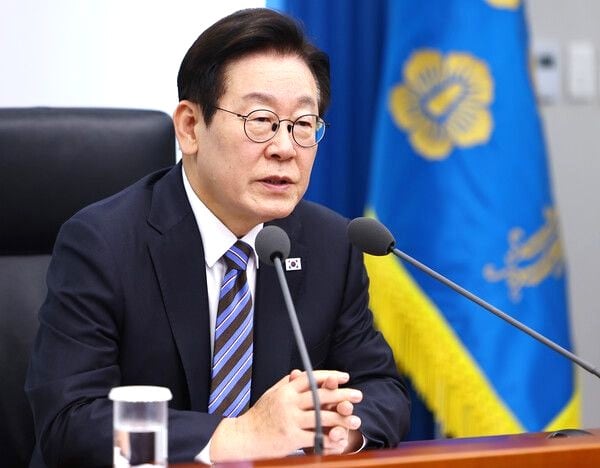
Given bureaucratic rigidity, Ministers Koo and Kim are unlikely to propose bold tax or supply reforms. This reflects President Lee’s personnel missteps. With budget functions separated from the Ministry of Economy and Finance, Minister Koo—an budget expert—must now lead unfamiliar tax policies.
Housing supply projects take over three years to construct and a decade from planning to occupancy. Tax reforms also require three years to overcome resistance. However, by the end of 2028, President Lee must face local elections in June 2026 and general elections in April 2028. Fundamental housing measures risk voter backlash, making their implementation unlikely. Structural reforms to lower expected returns are needed, but Ministers Koo and Kim’s lack of expertise makes even past proposals—like revising the one-homeowner tax calculation period under Moon Jae-in—difficult. Analysts argue President Lee has already missed the window for stabilization, focusing instead on political reconciliation.
Experts predict that without reform, premium housing prices will continue rising, lifting mid- and low-tier prices. Given the 30-year rule linking economic crises to regime change, the “sudden poverty” issue could act as an election-time detonator throughout Lee’s term.


Comments
Post a Comment