Japan Approves 21 Tril. Yen Stimulus Under Fiscal Hawk PM Takaichi
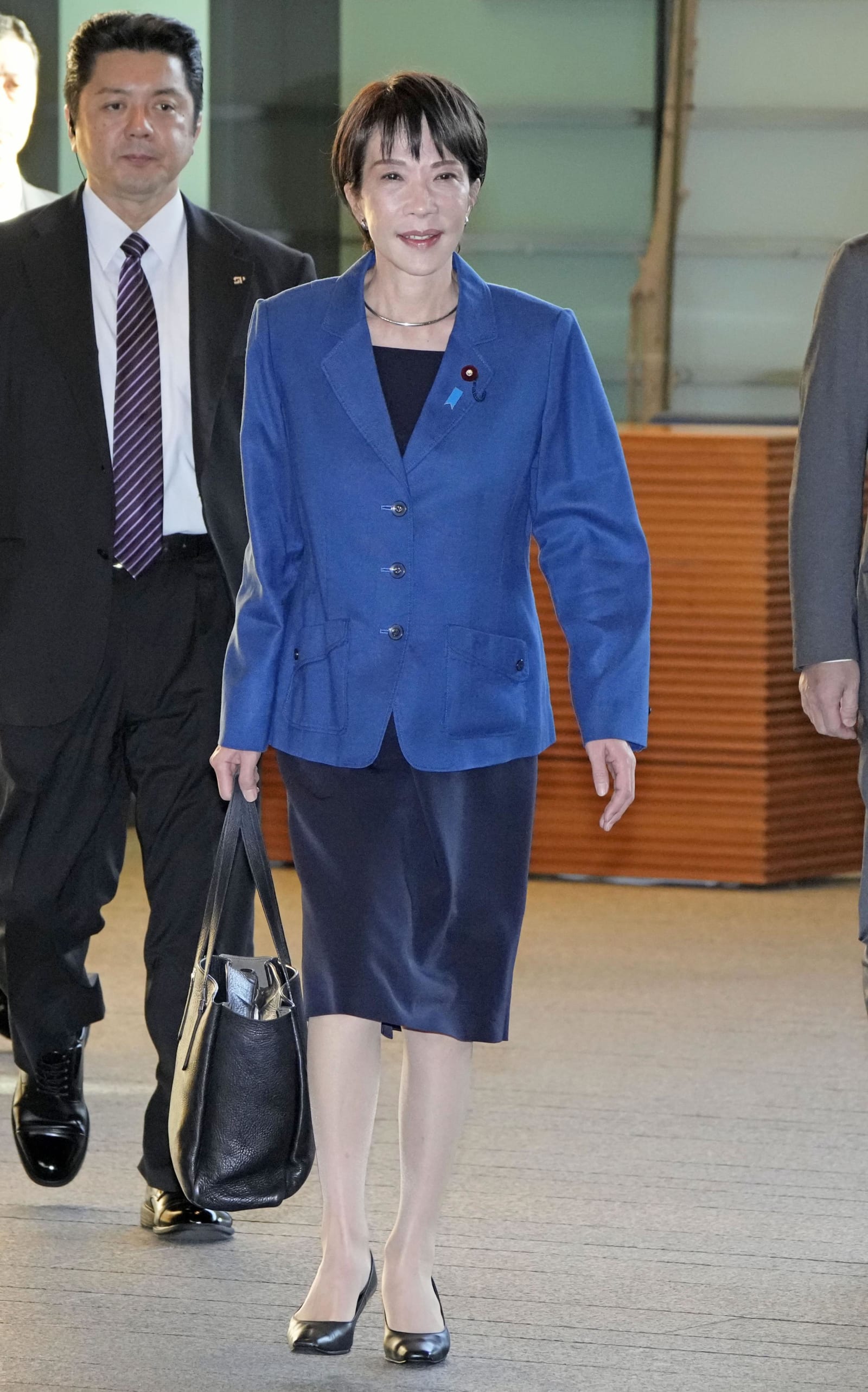
Japan's New Economic Package to Address Rising Costs
Tokyo has unveiled a significant economic package, valued at approximately 21.3 trillion yen ($135 billion), aimed at addressing the rising cost of living. This initiative marks the first major stimulus under Prime Minister Sanae Takaichi, who took office just a month ago. The overall impact of this package is expected to reach 42.8 trillion yen when considering spending by local governments and the private sector. This exceeds the previous year’s measures, which totaled 39 trillion yen.
The package includes several strategies designed to support the world's fourth-largest economy. These measures are particularly important as concerns grow over potential negative impacts from higher U.S. tariffs on businesses and households. In addition to immediate inflation relief, the government plans to increase investments in critical areas such as shipbuilding and artificial intelligence. These sectors are seen as essential for crisis management and national security.
Takaichi hopes that these strategic investments will also contribute to long-term economic growth. However, the announcement of the large-scale stimulus package has led to a selloff of the yen and Japanese government bonds. This is due to market concerns about Japan's fiscal health, which is already among the worst in advanced economies, with debt exceeding twice the size of its economy.
To address these concerns, Takaichi emphasized that the economic package aligns with the "sustainability of state finances." She reiterated her commitment to "responsible and proactive" public finances, stating that the government would not engage in reckless expansionary spending.
Funding the Economic Package
To finance the package, the government plans to create a supplementary budget of 17.7 trillion yen for the current fiscal year, which ends in March. The goal is to pass this budget before the ongoing Diet session concludes in December. This budget will surpass the 13.9 trillion yen supplementary budget set by Takaichi's predecessor, Shigeru Ishiba, highlighting her push for more aggressive fiscal spending.
In recent years, Japan's supplementary budgets have consistently exceeded 10 trillion yen, far surpassing the several trillion yen typically seen before the COVID-19 pandemic. Although the government plans to issue additional bonds to cover any spending shortfall, Takaichi stated that the total amount of debt issued this fiscal year is likely to be below last year's level of 42.1 trillion yen.
Impact of the Relief Package
According to the Cabinet Office, the relief package is projected to temporarily reduce consumer prices by up to 0.7 percentage points. It is also expected to boost Japan's real gross domestic product by 24 trillion yen, or an annualized 1.4 percent. Despite these projections, some economists question the effectiveness of the latest package. They warn that stimulating demand during an inflationary phase could lead to higher prices and financial strain on households.
Finance Minister Satsuki Katayama dismissed these concerns, asserting that the package's content and scale would not trigger what she termed "demand-pull inflation." She explained that the package was compiled based on current necessary expenditures.
Specific Measures Included
The package includes various specific items aimed at providing relief. For instance, cash handouts of 20,000 yen per child will require approximately 400 billion yen in government funding. Additionally, rice vouchers or other coupons worth 3,000 yen per person will be distributed by local authorities.
The government will also incorporate the effects of scrapping a provisional gasoline tax and raising the tax-free income threshold. These efforts aim to reduce the financial burden on households. As food prices remain elevated, the central government will allocate 2 trillion yen for subsidies to local governments, enabling them to implement their own measures.
Furthermore, the package will provide 500 billion yen in subsidies for electricity and gas bills for the first three months of next year. This is expected to reduce energy costs borne by households by roughly 7,000 yen on average over the period.


Comments
Post a Comment