Japan Launches Self-Driving Shuttle Trial Near Parliament
Introduction to the Self-Driving Shuttle Trial in Tokyo
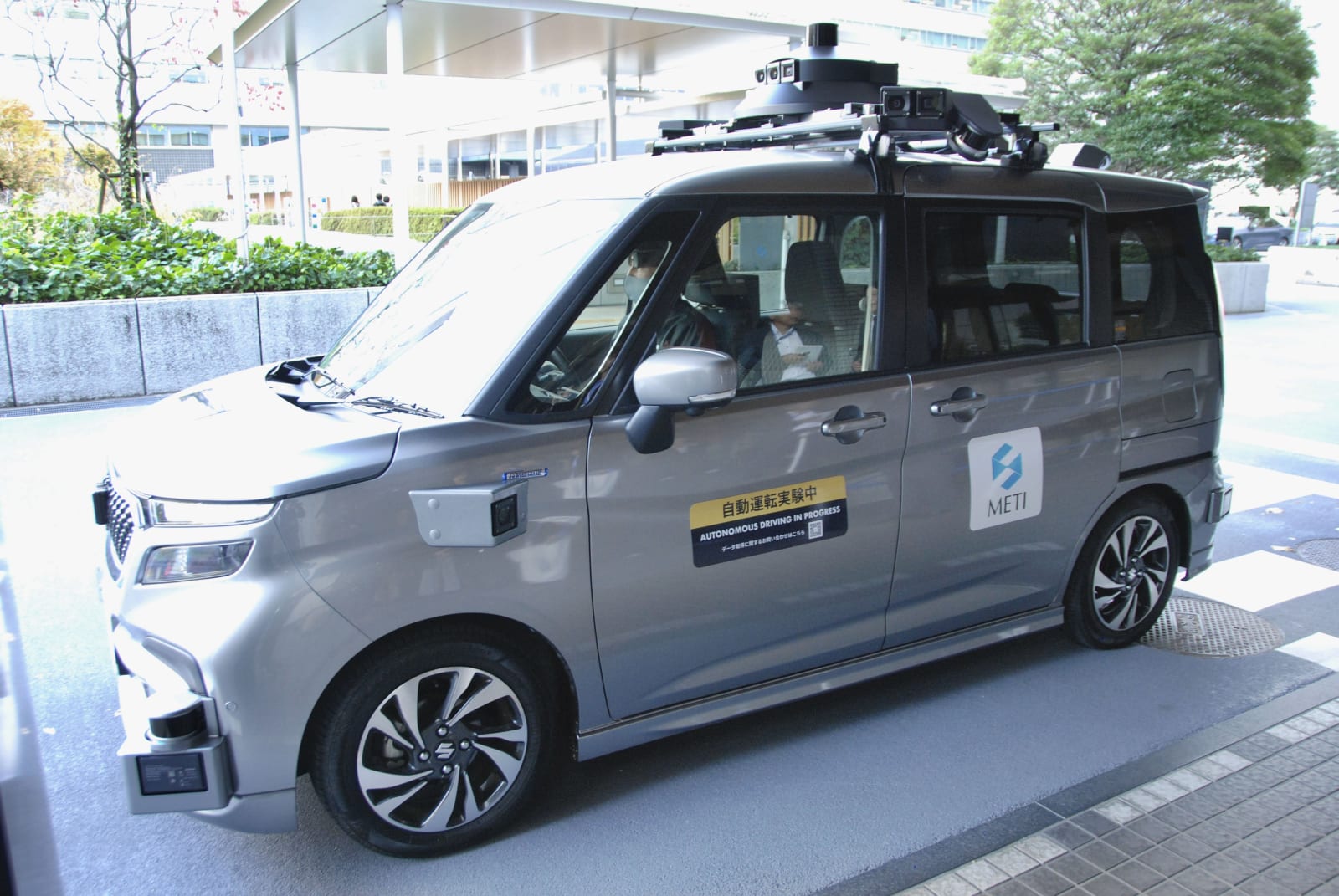
Tokyo is set to witness a significant step forward in the integration of autonomous technology into public transportation. The Japanese government has announced a trial starting on Thursday, where self-driving vehicles will be used as a shuttle service for officials navigating the area around the Diet, which is the country's parliamentary complex. This initiative aims to evaluate the practicality and reliability of self-driving technology in real-world conditions.
Overview of the Trial
The one-month demonstration will focus on the Ministry of Economy, Trade and Industry (METI) assessing the technical aspects of Level 2 self-driving vehicles. These vehicles are equipped with a "hands-off" function, meaning they can operate with minimal human intervention. However, it's important to note that at Level 2, or partial automation, the system controls the steering, accelerator, and brakes to allow the vehicle to follow a preset route. A driver must still be present on board to monitor the situation and take control if necessary.
Goals of the Initiative
The government's broader objective is to promote the wider adoption of self-driving technology, with an eye on Level 4 vehicles. These advanced systems do not require a driver under certain conditions, making them ideal for future transportation solutions. The push for such technology comes at a critical time, as Japan faces acute labor shortages, particularly in the transport sector, where a lack of drivers has become a pressing issue.
Expansion of the Shuttle Service
As part of this initiative, three self-driving vehicles will be added to the government's existing shuttle service. Currently, this service operates using regular cars that connect the industry ministry, the Diet, and buildings housing offices for lawmakers from both houses of the legislature. The addition of these autonomous vehicles is expected to enhance the efficiency and reliability of the service.
Operational Details
The shuttle services will operate approximately three times per hour in the Kasumigaseki area, known for its heavy traffic. This location presents a unique challenge, as the vehicles will need to navigate through busy streets and interact with other road users. The trial will provide valuable insights into how self-driving technology performs in such environments.
Reactions from Officials
Trade Minister Ryosei Akazawa, who took a ride ahead of the trial on Monday, expressed his satisfaction with the experience. He stated, "The ride was comfortable. I want to support efforts to bring this technology into society as soon as possible." His endorsement highlights the government's commitment to advancing autonomous transportation.
Implementation by Tier IV Inc.
The project is being outsourced to Tier IV Inc., a company specializing in autonomous driving systems. This collaboration underscores the importance of private-sector involvement in the development and deployment of self-driving technology. Tier IV Inc. is well-positioned to contribute its expertise in creating reliable and safe autonomous systems.
Conclusion
The trial of self-driving vehicles in Tokyo marks a pivotal moment in the country's journey toward adopting advanced transportation technologies. By focusing on Level 2 systems and preparing for the future with Level 4 capabilities, the Japanese government is taking proactive steps to address labor shortages and improve transportation efficiency. As the trial progresses, it will be essential to monitor its outcomes and assess the potential for broader implementation of self-driving technology across the nation.


Comments
Post a Comment