Japan Returns Forged Painting, Gets $426,000 Refund
The Discovery of a Forged Masterpiece
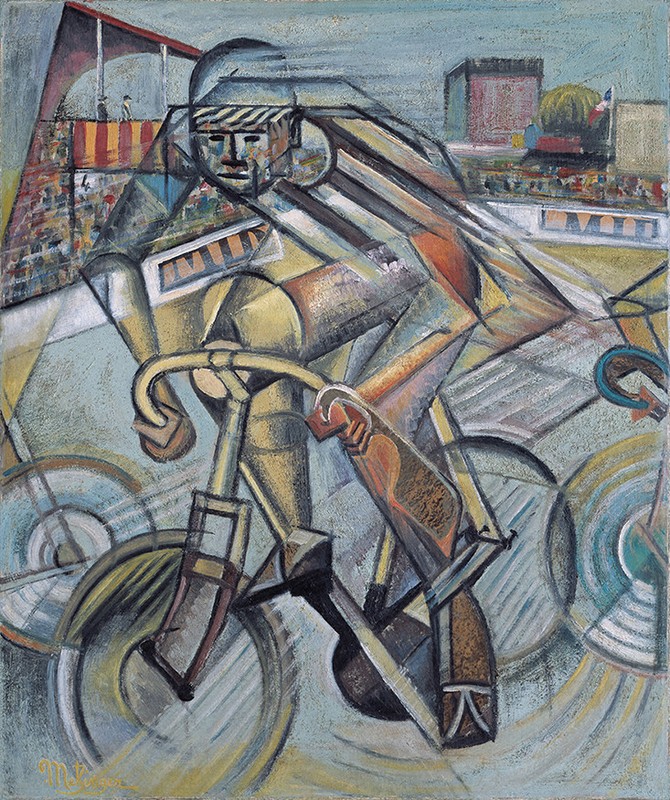
In a surprising turn of events, the Tokushima Prefectural Government has returned a painting that was once believed to be an original work by French Cubist painter Jean Metzinger. This decision came after a thorough investigation revealed that the artwork, "At the Cycle-Race Track," was actually a forgery created by Wolfgang Beltracchi, a renowned German forger.
The painting, which measures 55 centimeters in height and 46 centimeters in width, was part of the collection at the Tokushima Modern Art Museum. It was acquired in January 1999 from an Osaka-based art dealer for 67.2 million yen (approximately $426,000). However, concerns about its authenticity arose in 2024, leading to a detailed examination.
The Investigation Process
From July to October of this year, the museum conducted an investigation with the support of the Tokyo National Research Institute for Cultural Properties. Their findings were alarming: the painting contained synthetic pigments that were not available until the mid-20th century. This discovery contradicted the painting's supposed origin in the early 20th century.
Wolfgang Beltracchi, known as a "genius forger," had previously been sentenced to prison for forgery in 2011. His involvement in this case highlights the complexity of art authentication and the potential for even well-respected institutions to be deceived.
Refund and Return
After discussions with the company that supplied the painting, both parties reached an agreement on October 20. They decided to refund the original purchase price of 67.2 million yen and return the painting. The company also believed the artwork was genuine when it was delivered, so the purchase contract remained valid.
The refund was processed on October 22, and the painting was returned to the prefecture on November 18. According to the prefectural government's property management division, the painting is currently recorded at its acquisition price in the prefecture's fixed asset ledger and listed in the inventory ledger. Procedures to remove it from these ledgers are expected to follow.
Public Display and Transparency
Following the confirmation of the forgery, the museum displayed "At the Cycle-Race Track" in May and June of this year. Alongside the painting, two panels were presented to explain the circumstances under which it was deemed authentic at the time of purchase. This display aimed to educate visitors and promote transparency regarding the complexities of art authentication.
Implications and Lessons Learned
This incident underscores the importance of rigorous authentication processes in the art world. Even established institutions can fall victim to sophisticated forgeries, highlighting the need for continuous education and awareness among curators, collectors, and the public.
The case of "At the Cycle-Race Track" serves as a reminder that while art can be a source of beauty and inspiration, it can also be a battleground for deception and fraud. As the art community moves forward, it must remain vigilant and committed to upholding the integrity of artistic heritage.
By learning from such incidents, museums and collectors can better protect their collections and ensure that the stories behind each piece of art are accurately represented. The journey of "At the Cycle-Race Track" from a presumed original to a forged masterpiece is a testament to the ever-evolving nature of art history and the importance of critical inquiry.


Comments
Post a Comment