Jung Chung-rae Ends Delegate Voting System in Democratic Party
Key Changes in the Democratic Party’s Constitution
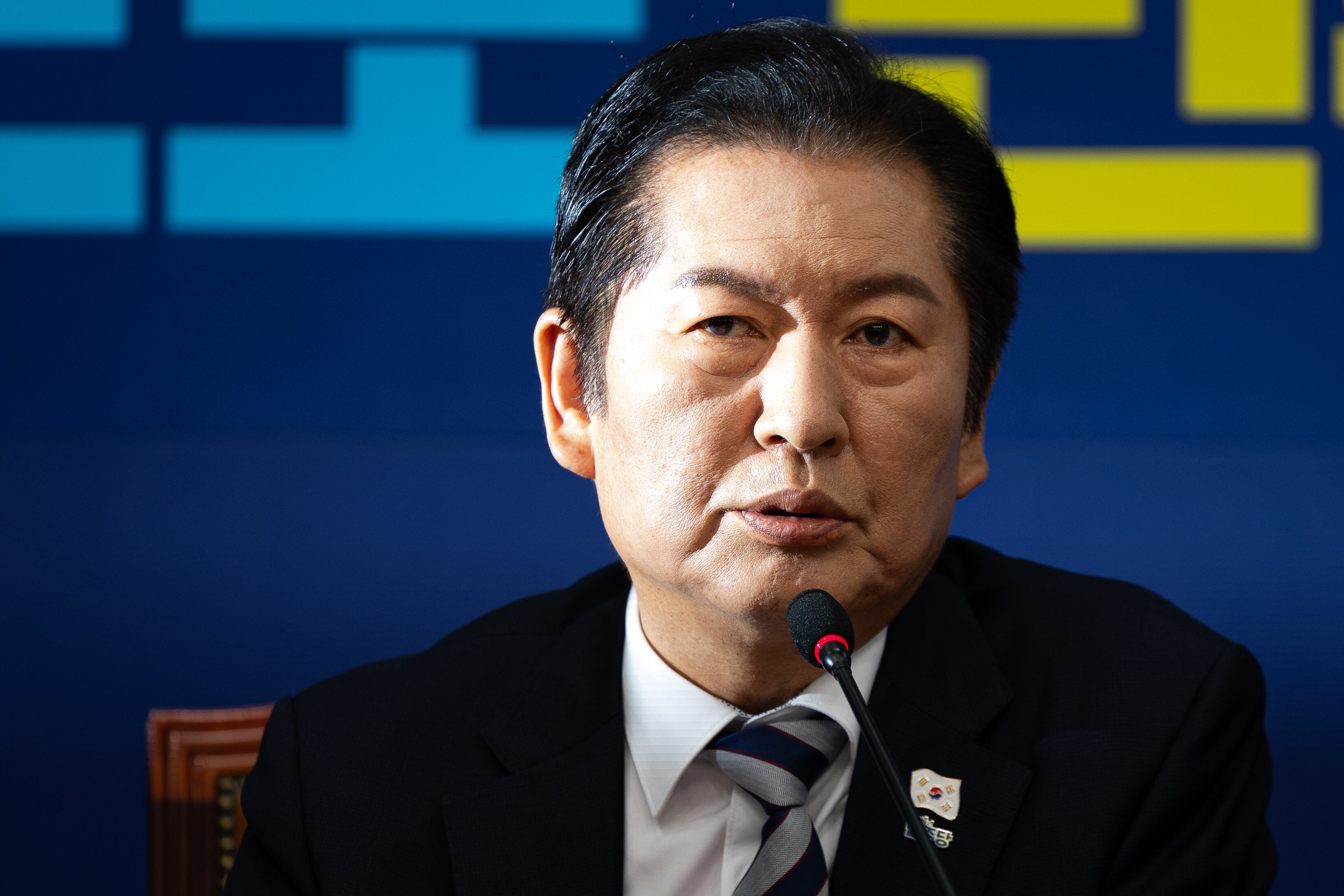
On the 21st, the leader of the Democratic Party of Korea, Jung Chung-rae, made a significant statement regarding the recent vote results for the party constitution amendment. This amendment eliminated the differential voting system between delegates and regular party members, granting each member an equal vote. Jung emphasized that “the will of nearly 90% of party members is an unstoppable trend.” He also criticized the previous system, which gave more voting power to delegates, stating that it did not align with the constitutional spirit.
The Vote on Constitutional Amendments
Earlier, on the 19th and 20th, the Democratic Party conducted a full party member vote on a constitutional amendment aimed at removing the clause that allowed for a “reflection ratio of delegate and party member votes” less than 20-to-1. This change effectively equalized the voting value of delegates and regular party members. The amendment received overwhelming support, with 86.81% approval and a turnout of 16.81%.
Another proposal focused on changing the selection method for proportional representative candidates in next year’s local elections. Instead of a vote by each level’s standing committee, the proposal called for a 100% party member vote. This proposal was approved by 88.50% of voters. A third proposal, which required a 100% party member vote for preliminary primaries if there were four or more candidates, received 89.57% approval.
Internal Criticism and Political Implications
Despite the positive results, some within the party raised concerns about Leader Jung's motivations. Critics suggested that he might be laying the groundwork to seek re-election as party leader in August of next year. During last August’s leadership election, Jung lost the delegate vote to rival Park Chandae but won decisively among party members. This led to accusations that he is expanding the influence of regular party members.
At the party’s Supreme Council meeting on the 21st, Jung expressed his confidence in the results, stating, “Party members have shown overwhelming support,” and added, “We are witnessing the moment and process where intra-party democracy in the Democratic Party is completed by the hands of its members.”
He acknowledged that there may be opposition in this process, but he remained firm in his belief that “the will of nearly 90% of party members is an unstoppable trend.” Jung also mentioned that he would proceed through the Party Affairs Committee and Central Committee to ensure the will of party members is properly reflected in their regulations.
Reaffirming Constitutional Principles
Regarding the previous delegate system, Jung highlighted the basic spirit of elections stipulated in the Constitution: universal, equal, direct, and secret voting. He argued that no organization in South Korea should violate the principle of equality guaranteed by the Constitution’s “one person, one vote.”
Jung pointed out that until now, the Democratic Party has failed to align with this constitutional spirit. He emphasized that “now, the Democratic Party must belatedly align with the constitutional spirit.” His statements reflect a broader movement toward greater inclusivity and fairness within the party structure.
Impact on Future Elections
These changes are expected to have a lasting impact on future elections, particularly in how candidates are selected and how party members participate in decision-making processes. By shifting from a delegate-based system to one that values every member’s voice equally, the Democratic Party is taking a significant step toward modernizing its internal governance.
The success of these amendments signals a shift in power dynamics within the party, potentially empowering regular members and reducing the influence of traditional leadership structures. As the party moves forward, the focus will likely remain on maintaining this new balance and ensuring that all members feel represented and heard.


Comments
Post a Comment