KNPU Unveils Multi-Narcotic Detection Kit
Innovation in Drug Detection: A Safer Future for Customs and Law Enforcement
KNPU has unveiled a groundbreaking initiative to create a new drug detection kit capable of identifying up to six types of narcotics simultaneously. This development marks a significant step forward in enhancing the safety and efficiency of customs and law enforcement operations. The KNPU Advanced Public Safety Science and Technology Institute announced on the 17th that it had been selected as the research team for a project under the "2025 Customs Administration Field-Tailored Technology Development 2.0" initiative, which is supported by the Ministry of Science and ICT and the Customs Service.
The project, led by KNPU in collaboration with Gachon University, Asan Pharmaceutical, and CSI VISION, aims to complete the development of this advanced detection kit by 2027. This collaborative effort brings together leading experts from various fields, ensuring a comprehensive approach to tackling the challenges of modern drug detection.
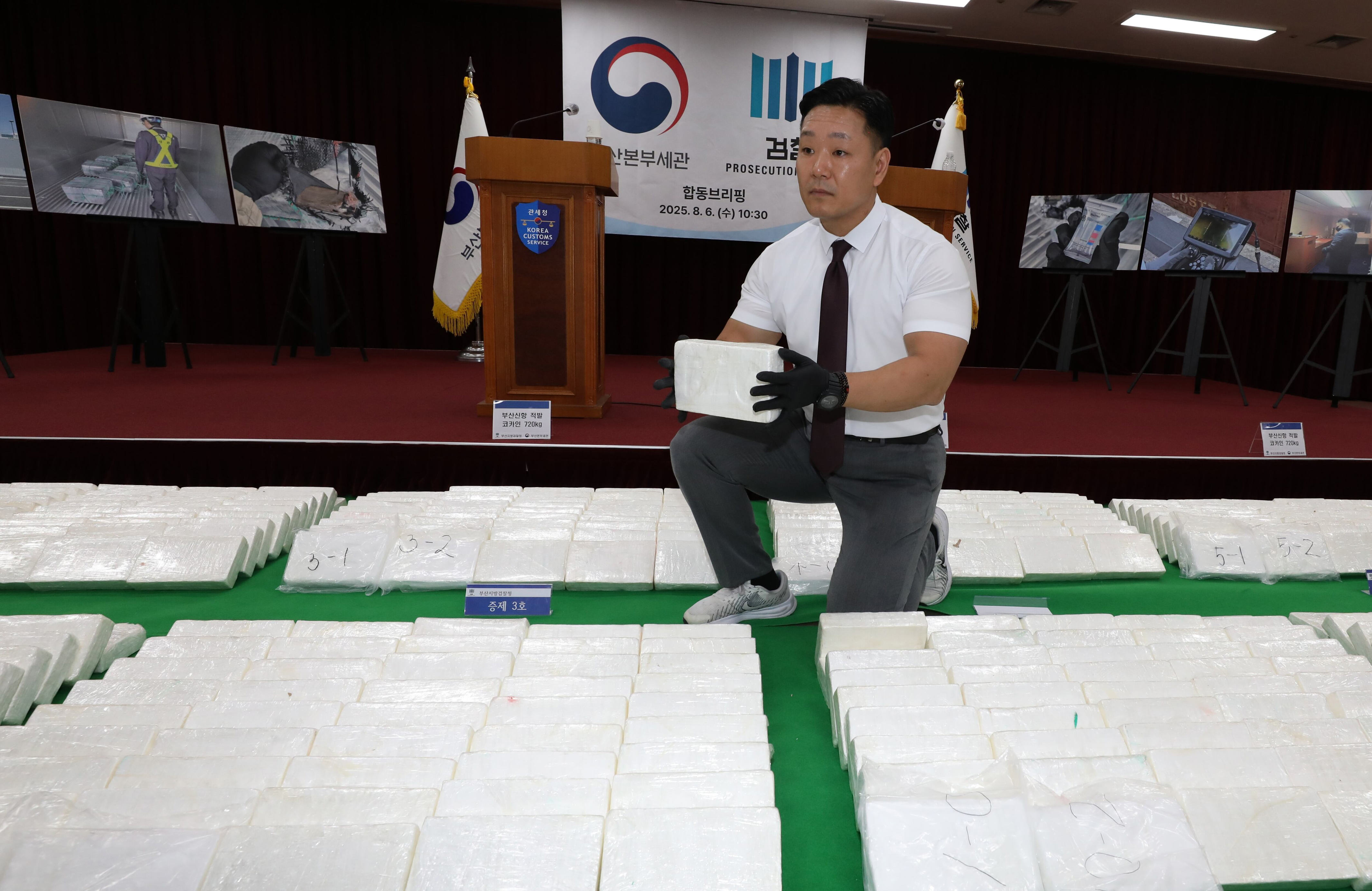
Addressing Risks in Current Drug Inspection Methods
In the past, customs officers faced significant risks during narcotics inspections, particularly when opening suspicious powder samples. These samples often contained drug particles that could be inhaled, leading to exposure through the eyes, skin, or respiratory system. Such risks not only posed health threats but also hindered the efficiency of inspections.
To mitigate these dangers, KNPU is developing a kit designed to minimize the risks associated with handling suspicious substances. The goal is to create a tool that allows for safe sample collection and analysis while simultaneously detecting multiple types of narcotics, including cocaine and liquid cannabis (THC). This innovation will significantly enhance the safety of personnel involved in drug inspections.
Enhancing On-Site Response Capabilities
Director Yoo Seung-jin of the KNPU Advanced Public Safety Science and Technology Institute emphasized the importance of this project. He stated, “By developing a domestically produced rapid narcotics detection kit, we will enhance the safety and on-site response capabilities of police and customs officers.”
This statement highlights the broader implications of the project. A reliable and efficient detection kit will not only protect the health of law enforcement personnel but also improve the speed and accuracy of drug inspections. This is crucial in an environment where time-sensitive decisions can have significant consequences.
Key Features of the New Detection Kit
The new drug detection kit is expected to include several key features:
- Multi-Drug Detection: The kit will be capable of identifying up to six different types of narcotics, making it a versatile tool for various inspection scenarios.
- Safety Measures: Designed to minimize the risk of exposure to harmful substances, the kit will incorporate advanced safety protocols.
- Rapid Analysis: The technology will allow for quick and accurate analysis, enabling on-site decision-making without the need for extensive laboratory testing.
These features are essential for ensuring that customs and law enforcement agencies can respond effectively to drug-related threats while maintaining the safety of their personnel.
Collaboration for Success
The success of this project relies heavily on the collaboration between KNPU and its partners. Gachon University brings academic expertise, Asan Pharmaceutical contributes pharmaceutical knowledge, and CSI VISION provides technological insights. This multidisciplinary approach ensures that the final product is both scientifically sound and practically applicable.
As the project moves forward, it is expected to set a new standard in drug detection technology. The development of this kit represents a commitment to innovation and a dedication to protecting the health and safety of those who serve in critical roles within the public sector.
Conclusion
The introduction of this new drug detection kit is a major milestone in the field of public safety. By addressing the risks associated with traditional methods and incorporating advanced technology, KNPU and its partners are paving the way for a safer and more efficient future in drug inspections. This initiative not only benefits the personnel involved but also strengthens the overall effectiveness of law enforcement and customs operations.


Comments
Post a Comment