Lagos and Eko Atlantic Team Up to Tackle Coastal Climate Challenges
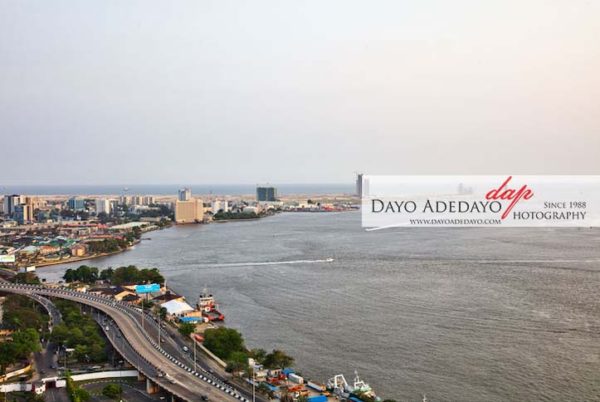
Lagos and Eko Atlantic City Partner to Address Coastal Challenges
Lagos State Government has partnered with Eko Atlantic City to transform coastal challenges into opportunities for economic growth and sustainability, furthering the state’s efforts to diversify its blue economy. This collaboration highlights a commitment to addressing the pressing issues of climate change and coastal degradation while fostering innovation and development.
The Commissioner for the Environment and Water Resources, Tokunbo Wahab, announced this initiative during a news conference in Lagos. The event took place ahead of the 2025 International Climate Change Summit, which will focus on the theme “Blue Economy, Green Money: Financing Africa’s Coastal Resilience and Ocean Innovation.” The summit is scheduled to take place from November 6 to 7.
Wahab emphasized that the summit will prioritize strategies to enhance Lagos’ resilience against climate and coastal challenges. He stated, “Lagos, as a coastal megacity, faces increasing threats from flooding, coastal erosion, and rising sea levels, but we are determined to turn those challenges into opportunities for economic growth and environmental sustainability.”
He added, “The summit embodies our belief that vulnerability can be transformed into vision, and that Lagos’ coastal challenges can become a source of economic and ecological strength.”
A Platform for Global Collaboration
The 2025 edition of the summit aims to bring together sub-national governments, global development institutions, investors, scientists, and innovators to co-create practical, bankable climate solutions. Wahab noted that over 1,200 delegates from more than 30 countries will attend, including international agency heads, global CEOs, financiers, youth innovators, and researchers.
“This is a mission-driven event, united by one goal: to finance the future of resilience in Africa,” he said. He also highlighted the significance of the timing, as the summit will take place just before COP30, allowing Lagos to shape the global conversation and translate local action into international impact.
Wahab outlined the state government’s vision to establish Lagos as Africa’s climate capital. He mentioned investments in coastal defences, urban greening, flood mitigation, renewable energy, and circular economy models that could serve as templates for other cities across the continent.
Eko Atlantic City: A Model for Climate Resilience
Joanna Fabikun, Head of Corporate Communications at Eko Atlantic City, shared insights into the city’s efforts in coastal protection and environmental sustainability. She described Eko Atlantic as a model for climate resilience in Lagos.
Fabikun recounted how the city was reclaimed, noting that the Eko Atlantic project was initiated to address severe coastal erosion that had threatened Victoria Island and parts of Lagos for decades. She explained that over a hundred years ago, during the colonial era in Nigeria, the East and West Walls were constructed along the Commodore Channel.
“These walls were created to allow larger vessels to enter Nigeria. As many of you may know, all ships entering Nigeria pass through the Commodore Channel to Apapa. These walls disrupted the natural flow, which started the erosion. Not only did we lose the entire beach, but the Atlantic Ocean was knocking on the doors of Ahmadu Bello Way, which is the road that we are sitting on now,” she explained.
Federal Ministry's Vision for the Blue Economy
Tuti Easton, Deputy Director of the Deep Blue Project, represented Dayo Oberiola, Director-General of NIMASA, and highlighted the Federal Ministry of Marine and Blue Economy’s goal to leverage Nigeria’s ocean resources and develop a sustainable blue economy.
This partnership between Lagos State Government and Eko Atlantic City represents a significant step toward addressing the complex challenges posed by climate change and coastal degradation. By turning these challenges into opportunities, the initiative not only supports local development but also contributes to global efforts in creating a more resilient and sustainable future.


Comments
Post a Comment