Lahore Remains Top in Global Pollution Rankings
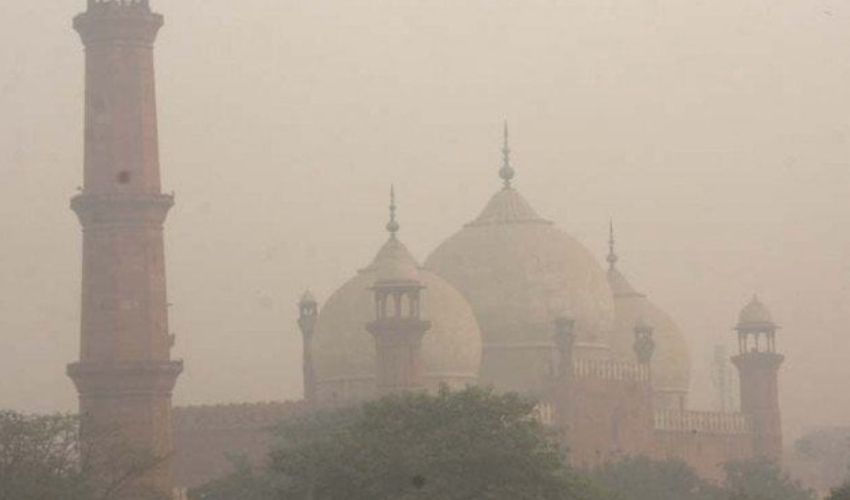
Lahore and Karachi Among the Most Polluted Cities in the World
Lahore has once again been ranked as the most polluted city globally, with Karachi also appearing in the fourth position, according to recent data from IQAir, a global air quality monitor. The alarming levels of pollution have sparked widespread concern among citizens and officials alike.
Punjab Senior Minister Marriyum Aurangzeb has issued a strong warning about the dangers posed by rising air pollution. She emphasized that the issue is not only a threat to public health but could also significantly disrupt daily life across the province. As of 9:30 a.m. on Friday, Lahore's Air Quality Index (AQI) reached 312, which is far higher than New Delhi’s 206, Kolkata’s 174, and Karachi’s 173. The city’s average smog level hit a hazardous 362, with Allama Iqbal Town recording an AQI of 589, placing it among the most polluted areas in the world.
According to the Punjab Air Quality Index, the worst air quality was recorded in Chak Jhumra, where the AQI stood at 664, followed closely by Faisalabad with 579. Other areas such as Raiwind (470), Kasur (439), and Pattoki (362) also reported dangerously high pollution levels. Multan, too, has seen a rise in poor air quality, raising concerns about the overall worsening of pollution in the province.
Environmental experts have described the current pollution levels as "extremely hazardous." They are urging citizens—especially children, the elderly, and those with respiratory conditions—to stay indoors and avoid unnecessary outdoor exposure. The deteriorating air quality has led to a surge in health-related issues, particularly among vulnerable groups.
Government Takes Action Against Smog
In response to the crisis, the Punjab government has intensified its anti-smog measures. Anti-smog guns have been deployed across major cities to suppress airborne pollutants. These efforts are part of a broader strategy aimed at improving air quality and protecting public health.
Speaking at Kinnaird College Lahore, Minister Marriyum Aurangzeb highlighted that the government is taking "practical and urgent steps" to combat the smog crisis. She noted that for the first time in Punjab’s history, the use of plastic bags has been banned. This move, she said, relies heavily on public cooperation to make a meaningful impact in the fight against pollution.
"We must eliminate the root causes of smog to keep Punjab's air clean," she stated. The minister also outlined several initiatives launched by the government, including:
- The conversion of brick kilns to zigzag technology to reduce emissions.
- The establishment of a Smog War Room to coordinate responses to pollution events.
- The launch of a dedicated helpline for reporting environmental violations.
These measures aim to address both the immediate and long-term challenges posed by air pollution.
Health Crisis Linked to Smog
Hospitals across Punjab are witnessing a sharp increase in patients suffering from respiratory and throat infections. Health officials report a growing number of cases involving chest congestion, nasal irritation, and asthma, particularly among children and the elderly. The continued deterioration of air quality has placed additional strain on healthcare systems, further highlighting the urgency of the situation.
As the smog continues to blanket the province, the need for sustained action and public awareness remains critical. While the government has taken significant steps, the challenge of maintaining clean air requires ongoing commitment and collaboration from all sectors of society.


Comments
Post a Comment