Lee Government Launches Electricity Initiative, Nuclear Future in Doubt
The Lee Jae-myung Government Launches First Basic Plan for Electricity Supply and Demand
The Lee Jae-myung administration has officially begun work on establishing its first Basic Plan for Electricity Supply and Demand (Basic Plan) since taking office. This plan is a government-level mid- to long-term comprehensive strategy aimed at ensuring stable electricity supply and demand. The current administration has outlined a policy to restructure the power mix toward carbon-free energy, emphasizing the expansion of renewable energy and the phase-out of coal power.
Businesses are concerned that the reduced role of existing base power sources—such as nuclear, gas, and coal—could undermine the stability of electricity supply amid surging demand in the artificial intelligence (AI) era. Another point of interest is whether the plan to build two new nuclear reactors, finalized under the previous administration, will be maintained. Experts have warned, “Political justifications should not override practical supply measures.”
Concrete Steps for Renewable Energy Expansion, Coal Phase-Out
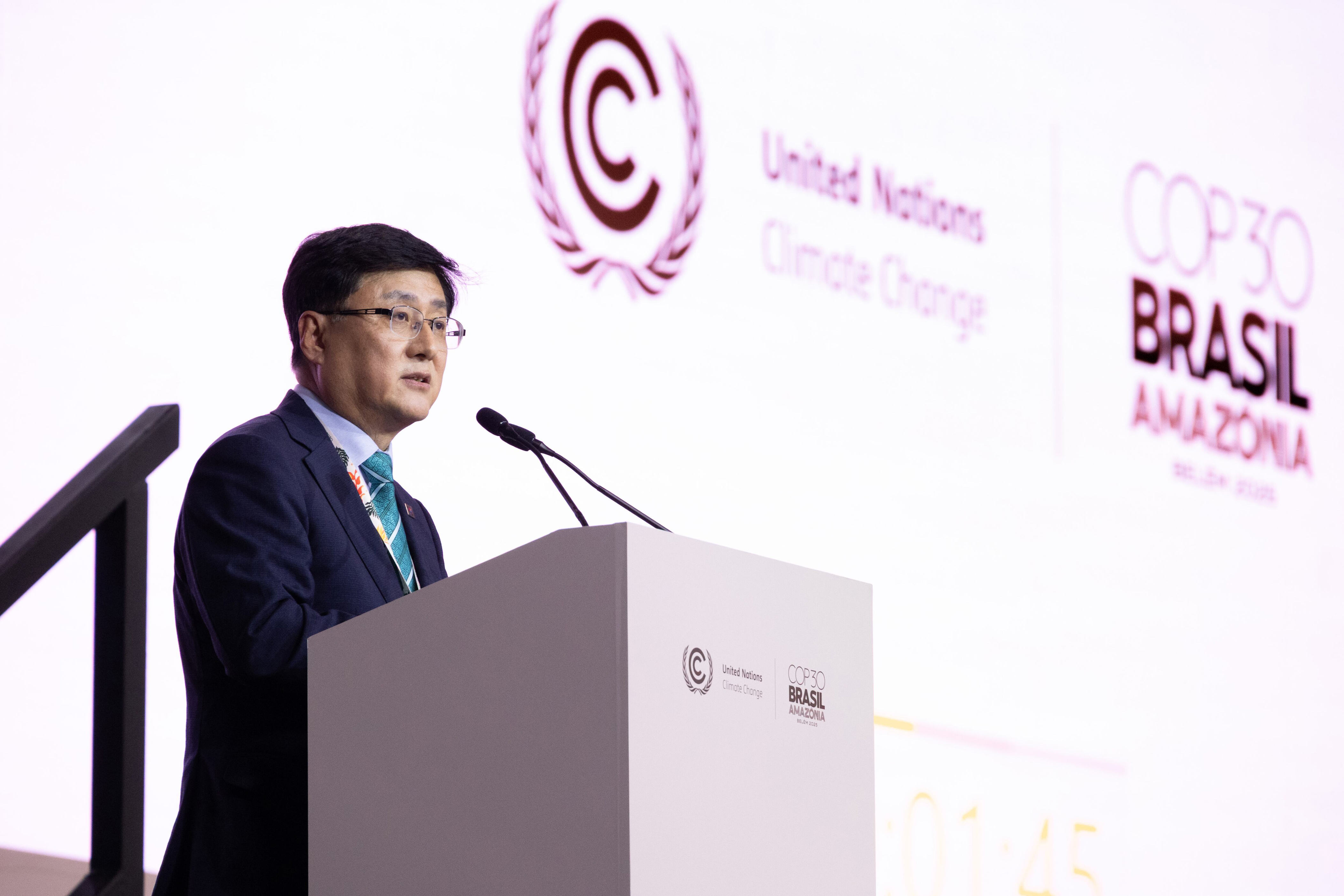
The Ministry of Climate, Energy and Environment announced on the 27th that it held a Power Policy Deliberation Committee meeting at the Korea Electric Power Corporation’s Seoul Southern Headquarters in Yeouido, Seoul, to discuss the 12th Basic Plan. The Basic Plan is a comprehensive plan released every two years to ensure mid- to long-term electricity supply stability in South Korea. It involves the government and private experts forecasting electricity demand and designing power facilities and energy mix for the next 15 years. The 12th Basic Plan’s planning period spans from 2026 to 2040.
The ministry stated regarding the 12th Basic Plan, “We will derive a carbon-free energy mix considering carbon neutrality, supply stability, and efficiency. In particular, we plan to concretize the new government’s national tasks, such as expanding renewable energy and phasing out coal power, and present a path toward carbon neutrality in the energy transition sector by 2040.”
Starting with the kickoff report on that day, the government plans to hold the 12th Basic Plan General Committee in early December and discuss key tasks through expert committees by sector. Afterward, based on drafts from the expert committees, the plan will be finalized through interagency consultations, including strategic environmental impact assessments, public hearings, reports to the National Assembly’s standing committee, and deliberation by the Power Policy Deliberation Committee. All processes are expected to conclude around the second half of next year.
As the 12th Basic Plan is the first to be established under the Lee Jae-myung administration, it is widely observed that it will differ significantly from the 11th Basic Plan. The previous Yoon Suk-yeol administration finalized the 11th Basic Plan in February this year, which included plans to build two new nuclear reactors and one small modular reactor (SMR) through bipartisan agreement. However, the administration changed just four months later.
The current government has declared an energy transition centered on renewable energy and accelerated coal phase-out, while maintaining an ambiguous stance on the nuclear industry. Energy policy functions were also transferred from the former Ministry of Trade, Industry and Energy (now the Ministry of Trade, Industry and Resources) to the Ministry of Environment, establishing the Ministry of Climate, Energy and Environment. The ministry recently finalized the 2035 National Greenhouse Gas Reduction Target (NDC) at 53–61% reduction compared to 2018 levels.
The Basic Plan Should Not Be Biased Toward Specific Ideologies
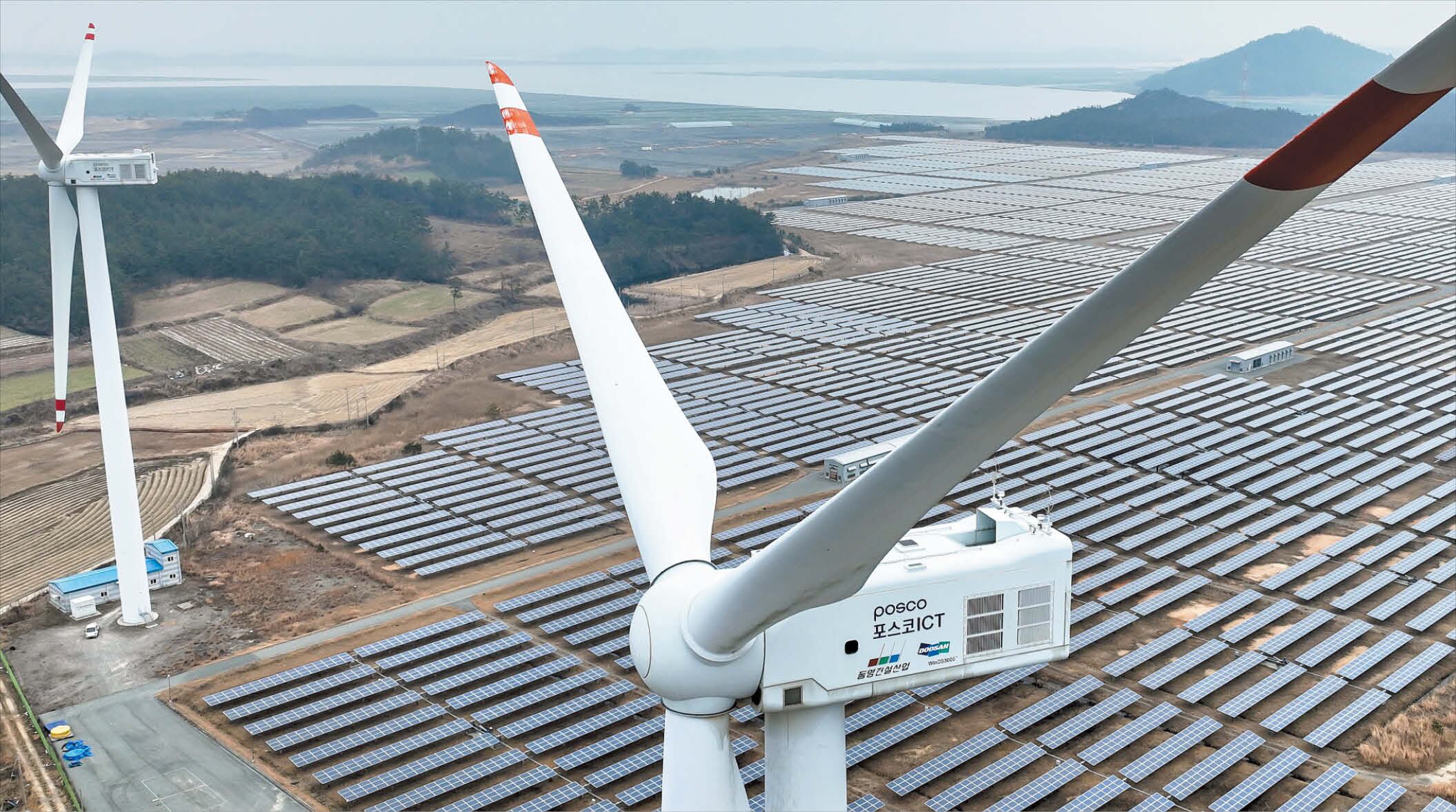
Energy experts predict that the 12th Basic Plan will focus on a “renewable energy speed war.” The 11th Basic Plan aimed to increase renewable energy capacity from 30 GW in 2023 to 107.8 GW by 2035. However, the current government has moved the target for surpassing 100 GW in renewable energy to 2030, five years earlier.
Under the previous plan, 40 out of 61 coal power plants were to be phased out by 2038 in order of their lifespan expiration. However, the current government has set a national task to phase out coal power by 2040. To meet this goal, the 12th Basic Plan is expected to include more aggressive coal phase-out targets.
The energy industry and academia have expressed concerns. They argue that the current government’s critical stance toward nuclear power—essential for stable electricity supply—and gas/coal, which can compensate for renewable energy’s intermittency, is problematic as the AI era intensifies. The industry is also closely watching whether the plan to build two new nuclear reactors, confirmed in the 11th Basic Plan, will be maintained.
An energy expert stated, “Since each power source has different characteristics, a comprehensive energy supply plan must rationally combine all sources. We should not present the public with narrow-minded, unachievable plans biased toward specific ideologies.”


Comments
Post a Comment